The Productivity Paradox: Why Working Harder Isn’t Making Businesses More Productive

Businesses have never had more tools designed to make work faster.

AI can draft reports, software can automate routine tasks, and analytics can process information at a scale that was impossible only a few years ago. Yet productivity remains a challenge. According to the OECD, labour productivity across OECD economies grew by 1.2% in 2024, an improvement on the previous year. But the longer-term picture is less encouraging: productivity growth has slowed substantially compared with the early 2000s. 

So if businesses have better technology than ever, why isn’t productivity rising faster? Perhaps the problem isn’t that people aren’t working hard enough. Perhaps we haven’t always designed work well enough.

Technology Doesn’t Automatically Create Productivity

It is easy to assume that new technology will automatically make an organisation more efficient. But buying a new tool and changing the way an organisation works are two different things. A company might introduce AI, automation or sophisticated analytics while keeping the same processes, approval structures and meetings it had before.

The result?

A more digital organisation—but not necessarily a more productive one. Research into generative AI illustrates the potential and the challenge. An OECD review of experimental studies found productivity improvements of roughly 5% to more than 25% in tasks such as customer support, software development and consulting, depending on the task and how AI was used.  The lesson isn’t that every business should simply adopt AI. It is that technology creates the greatest value when organisations rethink how work is done around it. If AI can produce a report in minutes but employees still spend hours checking, formatting and approving it, the organisation has acquired a faster tool without necessarily changing the underlying process. The bigger question for leaders is:

If technology changes what people can do, should it also change how the organisation works?

The Hidden Cost of Being Busy

Productivity can also be undermined by something that looks like work: constant activity. Meetings. Emails. Messages. Status updates. Approvals. Notifications. All of these have a legitimate purpose. But collectively, they can consume the time people need for focused work and decision-making. Microsoft’s 2025 Work Trend Index found that employees were interrupted by a meeting, email or chat approximately 275 times a day, or once every two minutes during core working hours. The figure comes from Microsoft’s own workplace data, so it should not be treated as a universal productivity measure. But it illustrates a familiar problem:

Being constantly connected does not necessarily mean being productive. An employee can spend an entire day responding to work without making meaningful progress on the work itself. This creates what could be called a coordination tax—time spent organising, communicating and checking work rather than creating value.

The leadership question therefore shouldn’t simply be: “How can our people work faster?” It should be: “What is getting in the way of valuable work?”

What Toyota Can Teach Today’s Businesses

One of the world’s best-known productivity systems was not built around artificial intelligence. It was built around a much simpler principle: eliminate waste and continuously improve the way work is done. The Toyota Production System focuses on eliminating waste and finding more efficient ways of working. Its philosophy of kaizen, or continuous improvement, encourages people throughout the organisation to identify problems and improve processes. The lesson extends well beyond manufacturing.
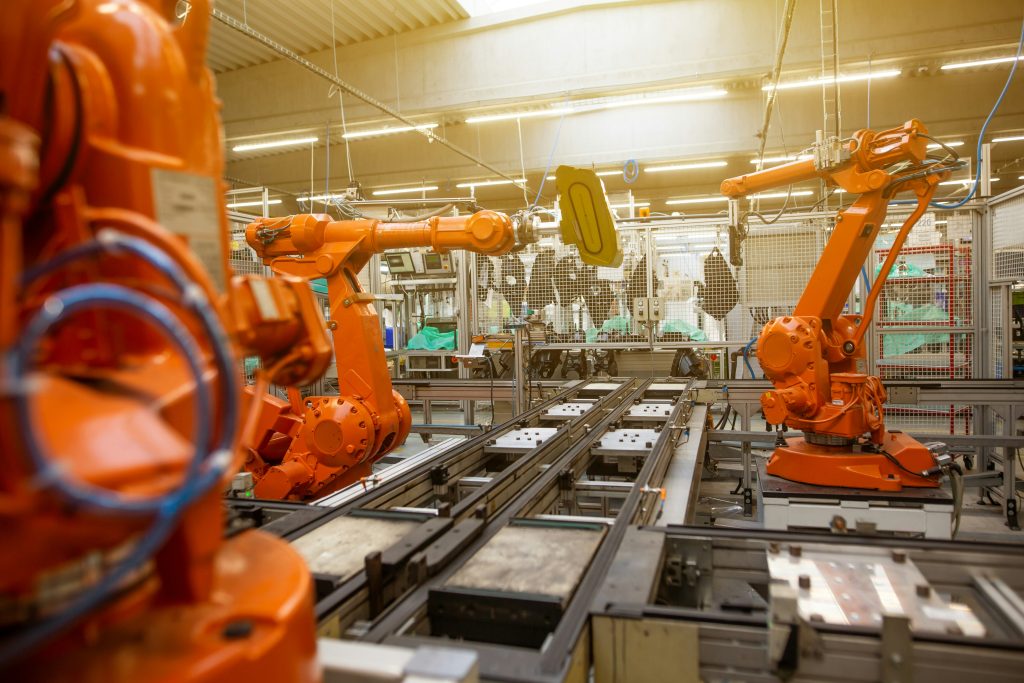
Imagine two companies introducing the same automation technology. The first automates an existing process.

The second asks: Why does this process exist? Which steps actually create value? Where are delays occurring? Which approvals are unnecessary? What could be removed altogether? What should employees do differently once the technology is introduced?The second organisation is more likely to create lasting productivity gains.

Toyota’s lesson is not “work faster.” It is “remove the waste from the system.” That principle is increasingly relevant to knowledge work.

The Real Productivity Challenge

For modern organisations, productivity sits at the intersection of people, processes, technology and leadership. The most productive organisations will not necessarily be those that adopt the most technology. They will be those that know how to integrate technology into a better way of working. That means leaders need to look beyond individual tools and examine the system around them.

1. Measure outcomes, not activity – A full calendar is not evidence of productivity. Neither is a crowded inbox. Leaders should focus on the outcomes that actually create value.

2. Redesign before automating – Before automating a process, ask whether the process is necessary in the first place. Technology should remove friction, not institutionalise it.

3. Protect focused work – Collaboration matters, but organisations also need time for thinking, analysis, creativity and problem-solving. Reducing unnecessary interruptions can be a productivity strategy in itself.

4. Build capabilities around technology – Technology creates value when people know how to use it effectively—and when managers understand how roles and processes should evolve.

5. Make productivity a leadership issue – Productivity is not solely an HR problem, an IT problem or an operations problem. It is a strategic question: How effectively does our organisation turn its people, technology and resources into value?
The productivity challenge facing businesses is not simply about getting employees to do more. It is about creating organisations where people, technology, processes and strategy work together more effectively.

As AI and automation become increasingly accessible, leaders need to understand more than the technology itself. They need to be able to assess its strategic value, redesign processes, make informed decisions, develop people and lead organisational change.

For professionals looking to strengthen this broader perspective, an MBA can provide a framework for understanding how strategy, leadership, finance, operations and technology come together in real organisations. At RKC, our MBA programmes are designed to help professionals develop that wider business perspective—connecting management knowledge with the practical challenges organisations face in a changing business environment. Because the future of productivity is unlikely to be about simply asking people to work harder.

It will be about developing leaders who know how to make organisations work better.

Explore RKC’s MBA programmes to develop the strategic and leadership capabilities needed to navigate today’s evolving business environment.

Navigating the Future: Top 5 Trends to Expect in 2024

As we step into the promising realm of 2024, the world is poised for transformative changes across various domains. Technological advancements, societal shifts, and global challenges are shaping the landscape of the future. In this blog post, we’ll explore the top five trends that are likely to define and influence the year 2024.

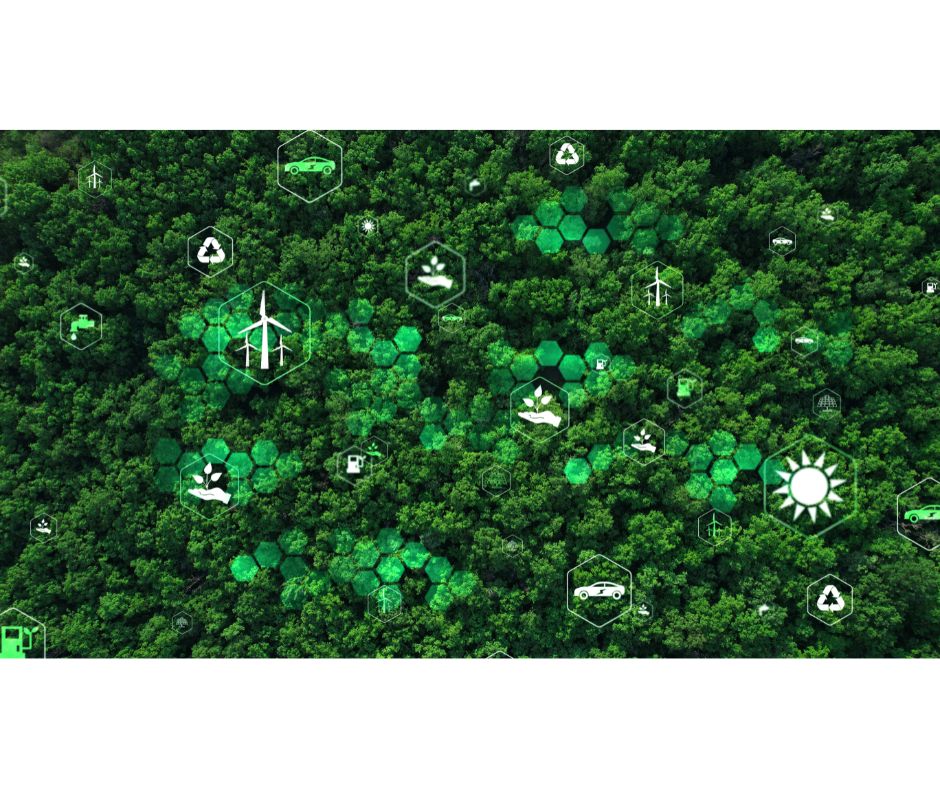
The Rise of Sustainable Technology

One of the most significant trends to watch in 2024 is the accelerated adoption of sustainable technologies. With a growing awareness of climate change and environmental issues, industries are increasingly investing in eco-friendly solutions. From renewable energy sources like solar and wind power to electric vehicles and sustainable packaging, technology is playing a pivotal role in creating a greener and more sustainable future. Expect to see breakthroughs in clean energy, efficient waste management systems, and innovations that contribute to a circular economy.

The Evolution of Artificial Intelligence (AI) and Automation

AI and automation have been on an upward trajectory for several years, and 2024 will see these technologies reaching new heights. Intelligent automation, machine learning, and natural language processing will become more sophisticated, leading to increased efficiency across various industries.

From personalized customer experiences to streamlined business operations, AI will continue to transform the way we live and work. However, ethical considerations and responsible AI practices will also become crucial topics of discussion, ensuring that these technologies are deployed ethically and inclusively.

Digital Health Revolution

The global pandemic has accelerated the digitization of healthcare, and in 2024, we can expect a digital health revolution. Telemedicine, wearable health tech, and AI-driven diagnostics will become more prevalent, offering personalized and accessible healthcare solutions. Remote patient monitoring, virtual consultations, and health-focused apps will empower individuals to take control of their well-being. The integration of big data in healthcare will enable predictive analytics, leading to more effective disease prevention and early intervention strategies.

Decentralized Finance (DeFi) and Blockchain

Decentralized Finance (DeFi) and blockchain technologies are poised to disrupt traditional financial systems in 2024.

Blockchain’s transparent and secure nature will continue to gain traction in sectors beyond cryptocurrency, such as supply chain management, voting systems, and identity verification. DeFi, which leverages blockchain to recreate and improve upon traditional financial services, will provide more inclusive and accessible banking solutions. Expect innovations in decentralized exchanges, lending platforms, and new financial instruments that challenge the status quo.

Cultural Shifts in Remote Work and Flexible Work Arrangements

The way we work underwent a profound transformation during the pandemic, and in 2024, we will witness a continuation of this trend. Remote work and flexible work arrangements will become more ingrained in corporate cultures. Companies will focus on optimizing hybrid work models, leveraging advanced collaboration tools, and prioritizing employee well-being. The physical office space may undergo a reimagining, serving as collaborative hubs rather than mandatory daily destinations. This shift will impact not only how businesses operate but also the work-life balance and career expectations of individuals.

The year 2024 promises to be a dynamic and transformative period marked by advancements in technology, a heightened focus on sustainability, and a reshaping of societal norms. From the rise of sustainable technology to the evolution of AI, digital health, blockchain, and changes in work dynamics, these trends will shape the way we live and interact with the world around us. As we navigate through these transformative times, it’s essential to embrace innovation responsibly and ensure that progress benefits all of humanity. The future is exciting, and staying informed about these trends will help individuals and businesses adapt and thrive in the years to come.

Navigate your future towards stability, success in your career by joining our online Master’s and PhD. programme. Speak to one of our advisors to know more about the admission process, intake information and fee details.

All you need to know about the top 5 career choices in 2023, and you can study for these top careers at Robert Kennedy College (RKC)

The career landscape constantly evolves, influenced by technological advancements, shifting societal needs, and economic trends. As 2023 is fast coming to an end, staying ahead of the curve and considering career choices that align with future demands is essential. In this blog, we will explore the top five career choices of 2023, offering insights into the fields that are likely to thrive in the coming years.

Data Science and Artificial Intelligence (AI)

In today’s data-driven world, data science and artificial intelligence are at the forefront of technological innovation. Companies across various industries are harnessing the power of data to make informed decisions and improve their operations. Data scientists and AI specialists are in high demand to develop algorithms, analyse data, and create intelligent systems. If you have a knack for mathematics and programming and a passion for problem-solving, a data science or AI career could be your ticket to success in 2023 and beyond.

As a result of the widespread use of these technologies by companies seeking a competitive edge, artificial intelligence and machine learning have already begun to revolutionise the corporate sector. Join Robert Kennedy College and study one of our more sought-after Data Sciences and AI programs.

Data scientists and AI specialists are in high demand to develop algorithms, analyse data, and create intelligent systems.

The MBA in Artificial Intelligence is designed to provide you with the abilities and knowledge needed to handle the complexities resulting from a world driven by artificial intelligence. Through modules on Information Management, Artificial Intelligence, and Data Analytics, you can learn about the main problems arising from using AI technologies, how AI affects management and business strategy, and the steps executives should take when developing a strategy for their company. The MBA programmes benefit significantly from the internationality derived from recruiting students from across the globe and drawing on tutors well qualified in their field.

Sustainable Energy and Environmental Sciences

The demand for sustainable energy and environmental sciences professionals is skyrocketing as the world faces increasing environmental challenges. Careers in renewable energy, environmental conservation, and sustainability management are rising. Whether you’re interested in designing eco-friendly buildings, developing clean energy solutions, or conserving natural resources, these fields offer a chance to impact the planet while securing a promising career.

At Robert Kennedy College, we offer just the programme that will help you secure that promising career in sustainable energy – the MBA Energy and Sustainability programme. This MBA programme aims to allow you to engage in an experience that will enhance your ability to develop and lead a sustainability agenda focusing on change in the energy sector. It can act as a catalyst for your knowledge and infuse new perspectives into your professional goals. Talk to one of our dedicated education advisors live on WhatsApp to learn more about the programme and the admission requirements.

Healthcare and Biotechnology

The healthcare industry has always been a stable career choice, but recent events have highlighted its critical societal role. In 2023, careers in healthcare and biotechnology are not only about doctors and nurses but also encompass roles in healthcare technology, pharmaceuticals, telemedicine, and genetic research. With an ageing population and ongoing medical advancements, these careers offer job security and growth opportunities.

If healthcare is the sector in which you want to excel and carve your future, then look no further. Robert Kennedy College offers a competitive master’s programme in Healthcare management. You can choose from the two courses offered – the International Healthcare Management programme and the Public Health Management programme.

With an ageing population and ongoing medical advancements, healthcare careers offer job security and growth opportunities.

To ensure that you acquire and put into practice the skills you need to succeed in today’s complicated healthcare environment, the curriculum was created in conjunction with active industry experts. You will obtain useful knowledge while enrolled in the program through project work that is directly related to industry, professional job experience, and a curriculum that focuses on real-world and current topics in healthcare administration. Download the catalogue here to gather more information about these programmes.

Cybersecurity and Information Security

In an increasingly digital world, cybersecurity has become a paramount concern. With the rise in cyber threats and data breaches, organisations invest heavily in safeguarding their information. Cybersecurity professionals, including ethical hackers, security analysts, and risk assessors, are in high demand. If you possess a strong understanding of computer systems and a passion for protecting data, a career in cybersecurity could be both rewarding and lucrative.

Cybersecurity professionals, including ethical hackers, security analysts, and risk assessors, are in high demand.

You can level your game by studying the MSc Information Systems Management programme. You will have the chance to gain a thorough understanding of the function that information systems and technology (IS/T) play in organisations worldwide, as well as a critical awareness of current and upcoming concerns in this constantly evolving industry through this course. Apply online now and graduate by September 2024.

Creative Industries and Content Creation


The creative industries have been evolving rapidly, driven by the internet and digital media. Careers in content creation, digital marketing, graphic design, video production, and social media management are flourishing. Brands and businesses constantly seek unique, engaging content to connect with their audiences. If you have a flair for creativity and a knack for storytelling, a career in the creative industry could offer you the freedom to express yourself while enjoying a fulfilling career.

The fast development of digital media over the past few years has completely changed how businesses do their marketing, enabling them to target clients individually. As a result, the nature of work and how it is done today have changed, inspiring both firms and business schools to change how marketing is perceived as a separate activity.

If you dream of joining this rapidly changing industry, consider enrolling in one of our Digital Business programmes. Learn more about the programme and the flexible fee payment plan we offer.

You’ll think about many business sectors impacted by technological advancements, such as autonomous delivery vehicles, new types of money, ambient beacons and sensing technologies, and increasingly individualised workplace and social experiences. We have a proven track record of bringing together students and proprietors of digital businesses to address business issues and conduct real-world projects or work-based learning.

As we navigate the ever-changing career landscape of 2023, staying adaptable and open to learning new skills is essential. The top career choices mentioned above reflect the current trends and demands of the job market, but they are not static. Technology will continue to advance, and societal needs will evolve, creating new opportunities and challenges.

Ultimately, your best career choice in 2023 should align with your skills, passions, and long-term goals. Whichever path you choose, continuous learning and adaptability will be your greatest assets in building a successful and rewarding career in the years to come.

Artificial Intelligence (AI) — The future of Business. Here are 6 reasons why!

Technology has always been the change catalyst for how we do business and with the rapid changes in communication technology, these changes are now taking place in real-time.

Technology enabling us to work virtually. Photo credit: unsplash.com/Uriel Soberanes

One of the key reasons for the long-term success of big multinational organisations is their ability to obtain business intelligence (BI) from their customers. Most organisations still collect feedback from their customers after a sale or service provided using a standard feedback form that asks typical questions. The information obtained through this method provides valuable information about the customers and their experience, but still the information is very limited, slow to get and process, and depends a lot on the customers’ willingness to give feedback. 

Organisations that invest in artificial intelligence (Al) and machine learning (ML) derive a lot of other benefits that can impact and provide business intelligence to multiple departments within the organisation. Furthermore, with the advancement in cloud storage and computing, data and business intelligence can be derived almost in real time. 

The following are some of the benefits of AI and ML especially in the era of cloud computing: 

  1. Enhanced Customer Experience: Real time intelligence on consumer buying behaviour provides companies with data on a number of key parameters from the spending capabilities of their customers, products that are trending, products that are reaching the end of their lifecycle, seasonal information, etc. Analysis of these data can provide the organisation with insights on the best ways to reach its customers through marketing activities, product pricing, product placement, etc. 
  2. Operational Automation: Operations are the backbone of an organisation. Without goods and services being produced or delivered, there is no purpose to the existence of an organisation. This is traditionally where the majority of the workforce is centred around, where the most wastage of resources takes place and is also the highest budgeted department of the organisation. Through the incorporation of AI and ML, the entire department can be streamlined to operate with best efficiency and in a cost and human resource effective manner.  
  3. Data Mining: Most organisations produce a mountain load of data every single day and it is not possible to manually go through all the data and extract some kind of BI from it. AI and ML will be able to quickly surface important and relevant patterns and insights during the processing of big data.  
  4. Supply Chain Management (SCM) Automation: Like operation automation, the BI derived through AI and ML can help streamline and increase the efficiency of the entire supply chain management process. It will also help in the automation of the entire SCM process. 
  5. Recruitment: Most big organisations receive thousands of job applications every month for a handful of job opportunities, making it almost impossible to go through all the applications to find the right person for the job. AI and ML can help (and indeed do already) in analysing the job requirements and the applicants’ data to find the right person for the job. 
  6. Trend Analysis: This key BI is applicable across all the departments of the organisation and is available through the analysis of all the data each department generates. By effectively predicting the trend, it will increase the efficiency and reduce the operational cost for an organisation as a whole, and at the same time increase its sales and overall profit. 

The above are just some of the more obvious benefits of an AI and ML system. Every day, new BI programmes are being developed. These programmes best utilise the AI and ML systems’ data to provide organisations with unique and valuable data to base future business decisions on.  

If you are looking to formalise your AI and ML knowledge, or looking for a jumpstart into a career in Artificial Intelligence, Robert Kennedy College offers a 100% Online MBA Artificial Intelligence through an exclusive partnership with the University of Cumbria, UK. Click here to apply for the programme. 

You can also chat LIVE on WhatsApp with one of our Education Advisors for more information on the programmes offered, application process, and for more information on any discounts we might be running in this rather strange period of our lives.