Building the Future: Introducing Three New MSc Programmes in Artificial Intelligence, Data Science and Software Engineering

Think about how much technology has changed the way we live and work over the past few years. Artificial intelligence can now perform tasks that once required hours of human effort. Businesses use data to make decisions that previously relied largely on experience and instinct. And behind almost every digital service we use is a team of software engineers making sure everything works as it should.

These changes are creating new opportunities for people with the right technical knowledge. They are also changing what employers expect from professionals already working in the technology sector.

For anyone considering a career in technology, or looking to take their existing career in a new direction, gaining a deeper understanding of these developments can make a real difference.

With this in mind, Robert Kennedy College (RKC), through its partnership with the University of Salford in the UK, is introducing three new postgraduate programmes:

Each programme focuses on a different area of technology, giving students the opportunity to develop specialist knowledge while earning a British master’s degree through an online learning experience.

Robert Kennedy College and the University of Salford: A Partnership Built Around Education
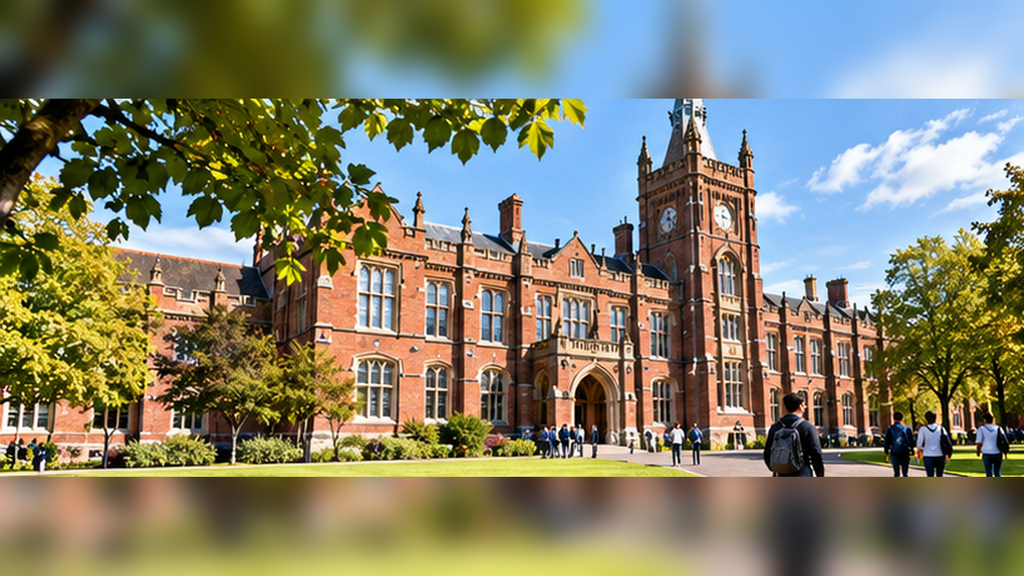
Before looking at the programmes themselves, it is worth understanding the institutions behind them.

Robert Kennedy College has been providing higher education since 1998. Based in Switzerland, the College has developed a particular focus on making internationally recognised university qualifications accessible to students regardless of where they live or work.

Its approach is built around online education, allowing students to pursue further qualifications without having to leave their jobs, relocate or put their family commitments on hold.

Over the years, RKC has partnered with established British universities, giving students the opportunity to earn university qualifications through its online learning platform.

One of these partners is the University of Salford, a university with a long history and a strong presence in science, engineering, and technology.

Located in Greater Manchester, the University has developed a reputation for connecting academic learning with practical applications. Its work in research, innovation and industry collaboration makes it a particularly relevant partner for programmes in areas such as artificial intelligence, data science and software engineering.

The University has also received recognition for its contribution to education and research, including the prestigious Queen Elizabeth Prize for Education.

University of Salford awarded Queen Elizabeth Prize for Education by Their Majesties The King and Queen

The relationship between the two institutions brings together the University of Salford’s academic expertise and Robert Kennedy College’s experience in delivering online higher education.

For students, the arrangement is straightforward: they study through Robert Kennedy College, using its online learning environment, and receive their master’s degree from the University of Salford.

This arrangement makes a British university qualification accessible to professionals worldwide without requiring them to move to the UK.

Three New Programmes Addressing Different Areas of Technology

Although artificial intelligence, data science and software engineering are closely connected, they are not interchangeable disciplines. Each requires a different combination of knowledge and skills.

The three new programmes reflect these differences, allowing students to concentrate on the area that best matches their interests and career plans.

MSc Artificial Intelligence: Understanding the Technology Behind Intelligent Systems

Artificial intelligence has moved well beyond research laboratories and technology companies. It is now being used in healthcare, finance, manufacturing, education and countless other industries.

From systems that recognise images and understand spoken language to applications that can identify patterns in enormous amounts of information, AI is changing what computers can do.

But using AI applications and understanding how to develop them are two very different things.

The MSc Artificial Intelligence is intended for graduates and professionals who want to explore the technology behind intelligent systems and develop the skills needed to work in this field.

The programme covers important areas of artificial intelligence, including machine learning, deep learning, natural language processing and big data analytics.

Students also gain experience with technologies and tools such as Python, TensorFlow, Keras and Apache Spark.

These are not simply theoretical topics. The programme focuses on how these technologies can be used to develop and deploy AI applications, giving students an opportunity to understand how artificial intelligence is applied to real-world problems.

Another important consideration is the responsible use of AI. As intelligent systems become more widely adopted, questions surrounding their ethical, legal and social implications are becoming increasingly important. These considerations form part of the programme.

For those already working in computing or technology, this master’s degree offers an opportunity to develop specialist expertise in a rapidly developing field.

Potential career paths include AI engineer, machine learning engineer, natural language processing specialist and AI solutions architect.

MSc Data Science with Artificial Intelligence: Making Sense of the Information Businesses Collect

Businesses collect enormous amounts of information every day. Customer transactions, website activity, financial records and operational data all provide insights into how an organisation is performing.

The challenge is knowing what to do with all that information.

This is where data science comes in. It involves collecting, analysing and interpreting data to identify patterns and provide information that can support better decisions.

The MSc Data Science with Artificial Intelligence is designed for graduates and professionals interested in developing the skills needed to work with data and apply analytical techniques to practical problems.

The programme brings together several areas of study, including applied statistics, data visualisation, machine learning, data mining and big data technologies.

Students work with tools such as Python, R, SQL, Power BI, Apache Spark and MongoDB.

The combination is particularly useful because data science involves much more than running calculations or producing charts. Professionals need to understand how data is collected and managed, how appropriate analytical methods are selected and how the results can be communicated clearly.

The programme also addresses the ethical and professional responsibilities involved in working with data.

An interesting feature is that the programme is suitable for graduates from other disciplines who have the appropriate mathematical aptitude. A previous formal qualification in data science is not necessarily required.

This makes it an option worth considering for professionals who want to move into a more analytical role or develop their existing capabilities.

Possible career opportunities include data scientist, data analyst, business intelligence analyst, machine learning engineer and analytics consultant.

MSc Software Engineering: Moving Beyond Writing Code

Software engineering is one of those disciplines that most people encounter every day without necessarily thinking about it.

Every banking application, online shopping platform, business management system and mobile application depends on software that has been designed, developed, tested and maintained.

However, developing software is about much more than writing code. Successful software projects require careful planning, sound architecture, security considerations and an understanding of how different components work together.

The MSc Software Engineering is aimed at graduates with computing or related STEM backgrounds who want to develop their knowledge of modern software engineering.

The programme explores advanced software development, software architecture and security, lean and agile engineering practices, and the business aspects of software development.

Students examine how software systems are designed and developed, how security vulnerabilities can be identified and addressed, and how development teams manage increasingly complex projects.

The inclusion of lean and agile approaches is particularly relevant in today’s software industry. Development teams often work across different locations, manage changing requirements and deliver updates continuously. Understanding how these teams operate is an important part of modern software engineering.

The programme also looks beyond the technical side of software development. Understanding business models, product development and commercial considerations helps professionals see how software solutions fit into the wider objectives of an organisation.

Graduates may go on to pursue roles such as senior software engineer, software architect, application security engineer, engineering manager, DevOps engineer or technical product owner.

For experienced developers who want to take on greater technical or managerial responsibility, this programme offers an opportunity to build on their existing knowledge.

What Students Can Expect Across All Three Programmes

The three programmes have different subject areas, but they share several features. These are particularly relevant to people who want to pursue postgraduate education while continuing with their existing careers.

A degree awarded by the University of Salford

All three qualifications are awarded by the University of Salford. Students enrol through Robert Kennedy College and complete their studies using its online learning environment.

This provides an opportunity to earn a British university master’s degree without having to relocate to the UK.

The flexibility of online learning

One of the biggest challenges of postgraduate education for working professionals is finding the time to study.

Leaving a job or taking a career break is not always practical. Equally, attending regular classes at a university campus may not be possible for someone with professional and family commitments.

RKC’s online learning model addresses this challenge by allowing students to access their studies through the College’s OnlineCampus.

Students can organise their learning around their existing schedules, making it possible to continue working while progressing towards a master’s qualification.

A module-by-module approach

Each programme consists of 180 credits, including four taught modules worth 30 credits each and a final master’s project worth 60 credits.

The taught modules are organised into six-week blocks, allowing students to concentrate on one module at a time.

Depending on their circumstances and study pace, students can complete the programme in as little as nine months. The maximum permitted study period is four years.

An international student community

Studying online does not mean studying in isolation.

RKC brings together students from different countries, industries and professional backgrounds. This creates opportunities to exchange ideas and learn from people who may approach the same challenges from very different perspectives.

For professionals working in international organisations, this exposure can be particularly valuable.

The option of a residential experience

Although the programmes can be completed entirely online, students also have the option of attending a one-week residential experience in Zürich, Switzerland, or at the University of Salford in Manchester.

The residential experience provides an opportunity to meet fellow students, interact with faculty members, participate in workshops and prepare for the final project.

Students who cannot attend in person can complete the corresponding workshops remotely.

A final project that brings everything together

All three programmes conclude with a 60-credit independent master’s project.

This gives students an opportunity to explore a subject within their chosen area of specialisation and apply the knowledge they have developed during the programme.

It is an important part of the learning experience, allowing students to demonstrate their ability to investigate a problem, evaluate information and present their findings.

Studying with RKC: Making Further Education Fit Around Your Life

There is often a gap between wanting to pursue a master’s degree and actually finding the time and opportunity to do it.

For someone already established in a career, moving to another country for a year or two may simply not be an option. Giving up a job to return to university is equally difficult for many people.

This is where Robert Kennedy College’s approach to education makes a difference.

Students can study from wherever they are based, without the need to relocate to Switzerland or the UK. They can continue working, maintain their existing commitments and progress through their studies at a pace that suits their circumstances.

The OnlineCampus provides access to learning resources and opportunities to interact with fellow students and faculty members. The module-based structure also makes it easier to plan study time around work and other responsibilities.

There is another advantage worth considering: the opportunity to study alongside people from different professional and cultural backgrounds.

A student working in finance may approach a problem differently from someone working in healthcare or software development. These different experiences can make discussions more interesting and provide perspectives that go beyond the academic material.

Combined with the academic standing of the University of Salford, this creates an opportunity to gain a postgraduate qualification without having to put the rest of life on hold.

Which Programme Is Right for You?

Choosing between the three programmes largely depends on what interests you and where you see your career heading.

If you are interested in developing intelligent applications and understanding how machines can learn, recognise patterns and process language, the MSc Artificial Intelligence may be the right choice.

If you enjoy working with information, analysing trends and finding answers in complex datasets, the MSc Data Science with Artificial Intelligence offers a different route.

And if your interests lie in designing, developing and managing software systems, the MSc Software Engineering provides an opportunity to develop more advanced technical and professional capabilities.

All three programmes address areas that are becoming increasingly important to businesses and organisations.

The best choice is not necessarily the programme with the most attention in the media. It is the one that connects most closely with your existing experience, interests and long-term ambitions.

Your Next Step

Technology will continue to change. New applications will emerge, businesses will find different ways of using data, and software systems will become increasingly sophisticated.

For professionals who want to remain relevant and take advantage of these developments, continuing education can be a valuable investment.

The three new master’s programmes from Robert Kennedy College, in partnership with the University of Salford, offer an opportunity to develop expertise in these important areas while continuing with your professional life.

If one of these fields interests you, take a closer look at the programme details, entry requirements and study structure.

Explore the new programmes:

To find out more about Robert Kennedy College and its other online degree programmes, visit https://www.rkc.edu/programmes?j=fbpagemt.


When Trust Becomes a Business Asset: The New Economics of Corporate Reputation

A customer chooses one brand over another. A talented employee decides whether to join a company. An investor weighs the credibility of a business before committing capital. A financial institution evaluates a new relationship.

Behind these decisions lies something that rarely appears as a separate item on a balance sheet, yet can influence business performance in profound ways: trust.

For decades, corporate reputation was often treated as a communications concern, managed through branding, public relations and crisis response. Today, that view is increasingly difficult to sustain. In a world where information travels instantly, stakeholders expect greater transparency, and corporate decisions face constant scrutiny, reputation has become a strategic consideration for business leaders.

But an important question remains: Can trust itself become a source of competitive advantage?

The answer lies not in what organisations say about themselves, but in how consistently their actions give customers, employees, investors and other stakeholders reasons to believe in them.

1. The New Economics of Trust

Trust influences the decisions that keep businesses operating and growing.

Customers who trust a brand may be more willing to return, recommend its products and maintain a relationship when competitors offer alternatives. Employees who trust their leaders may be more willing to collaborate, contribute ideas and remain with the organisation. Business partners may be more comfortable entering long-term relationships when they believe commitments will be honoured.

These relationships can have economic consequences.

Greater customer retention can support more predictable revenue. Lower employee turnover can reduce recruitment and training costs. Credible relationships with business partners can make collaboration easier. And an established reputation for responsible conduct can help an organisation respond more effectively when circumstances become difficult.

None of these outcomes is automatic. A trusted company can still make poor decisions, lose customers or face financial difficulties. However, trust can strengthen the relationships on which sustainable business performance depends.

Research offers a useful perspective. Edelman’s 2025 Trust Barometer special report on brands found that 80% of respondents trusted the brands they used. Its findings also suggest that consumers increasingly value brands that provide relevance, responsiveness and clarity through their actions.

The implication for leaders is significant: reputation is not simply about being recognised. It is about being believed.

A brand can purchase visibility through advertising. It cannot purchase lasting credibility in the same way. Credibility develops through experience, consistency and the accumulation of evidence that an organisation can be relied upon.

2. LEGO: How Brand Credibility Supports Competitive Strength

Few consumer brands are as recognisable as LEGO. Its colourful building bricks have become associated with creativity, imagination and the experience of building something piece by piece.

Yet the company’s competitive position is about more than product recognition. It also illustrates how a consistent customer experience, a clear brand identity and the ability to adapt can reinforce long-term business strength.

The LEGO Group’s financial results for 2024 provide an interesting illustration. According to its official annual results announcement, revenue increased by 13% to DKK 74.3 billion, while consumer sales grew by 12%. The company also reported market-share gains while the broader toy market declined.

These results do not prove that trust alone caused LEGO’s growth. Product innovation, distribution, operational execution, partnerships and demand all matter. Nevertheless, they offer an opportunity to examine how brand credibility can work alongside commercial strategy.

First, consistency helps reinforce customer expectations. Customers recognise the LEGO experience and understand what the brand represents. Maintaining product quality and delivering on that promise helps preserve confidence across different products and customer groups.

Second, innovation can strengthen an established relationship. LEGO continues to develop new products and reach different audiences while drawing on a recognisable core identity. Its 2024 portfolio included 840 products, combining established themes with new offerings.

Third, credibility creates a foundation for future engagement. A familiar and trusted brand may find it easier to introduce new products, explore partnerships and connect with customers across generations. However, that advantage depends on continuing to meet expectations rather than relying on past success.

The broader business lesson is that reputation can become a platform for strategic growth. When customers already have confidence in a company, new initiatives may begin with an advantage that an unfamiliar competitor has yet to establish.

For business leaders, the challenge is to protect that advantage without allowing familiarity to become complacency.

3. JPMorgan Chase: When Reputation Becomes a Risk Management Issue

The economics of trust look different in financial services.

A customer choosing a toy brand is making a different decision from a customer entrusting a bank with savings, payments or a business relationship. In financial services, confidence in an institution’s competence, integrity and ability to manage risk is fundamental to the relationship.

This makes JPMorgan Chase a useful example of how reputation is considered within a large financial institution.

In its 2024 Annual Report, JPMorgan Chase explicitly defines reputation risk in terms of actions or inaction that could damage perceptions of its integrity and reduce stakeholder confidence in its competence. The report also explains that reputational events can contribute to financial losses, litigation, regulatory action and other forms of harm.

Importantly, the firm’s approach goes beyond responding to negative publicity. Its reputation-risk framework requires consideration of reputation when evaluating products, transactions, client relationships, business activities and entry into new jurisdictions.

This illustrates a more mature approach to reputation management.

Instead of asking only how a decision might be perceived after it is made, leaders can ask what the decision might mean for stakeholder confidence before proceeding.

Consider a hypothetical example: a financial institution is evaluating a potentially profitable business relationship. The immediate commercial opportunity appears attractive, but the relationship introduces concerns about conduct, conflicts of interest or the institution’s broader responsibilities.

A narrow assessment might focus on projected revenue and direct financial exposure. A more comprehensive assessment would also consider the potential impact on customers, employees, regulators, business partners and public confidence.

The second approach does not automatically dictate the decision. It ensures that reputation-related consequences form part of the decision-making process.

This is particularly important in financial services, where confidence can be influenced by the perceived reliability of institutions and the quality of their risk management.

The lesson extends well beyond banking: reputation risk is often the consequence of a business decision, not merely a communications problem that follows it.

4. The Cost of Losing Credibility

Trust takes time to establish, but it can deteriorate quickly when an organisation’s actions contradict its promises.

A data breach can raise questions about whether a company adequately protects customer information. Misleading sustainability claims can undermine confidence in its public commitments. Poor employee treatment can expose a gap between a company’s stated values and its internal culture. An inadequate response to a crisis can make stakeholders question whether leadership is being honest about what happened.

The immediate consequences may include complaints, negative publicity or customer dissatisfaction. The longer-term consequences can be more difficult to measure.

Customers may reconsider their purchasing decisions. Employees may become less willing to recommend the organisation as an employer. Partners may demand stronger safeguards. Investors may reassess risks, while regulators may intensify scrutiny where appropriate.

The financial impact depends on the circumstances, the severity of the issue and the organisation’s response. Not every reputational problem results in lasting damage, and not every crisis can be prevented.

However, losing credibility can create additional costs precisely when an organisation needs the cooperation and confidence of its stakeholders.

This is why reputation management should not begin when a crisis appears on the front page. It should be embedded in the decisions, systems and behaviours that shape how an organisation operates.

5. Transparency: The Difference Between a Promise and Proof

In an environment of constant scrutiny, transparency has become a critical part of building business trust.

Yet transparency is more than publishing information or issuing regular statements. It requires organisations to communicate clearly, explain decisions and provide evidence that supports their claims.

A company may announce ambitious sustainability targets, for example. Stakeholders need more than a compelling message: they need to understand the commitments, how progress will be measured and what happens when the organisation falls short.

Similarly, when a company experiences a service disruption, customers need accurate information about the problem, its likely impact and the steps being taken to address it.

Effective transparency has three essential elements.

Clarity: Explain what the organisation is doing and why, using language stakeholders can understand.

Evidence: Support important claims with reliable information, meaningful indicators and verifiable progress wherever possible.

Accountability: Acknowledge shortcomings, correct inaccurate information and communicate what will change.

Transparency does not mean disclosing every piece of confidential information or making promises before the facts are established. Responsible leaders must balance openness with privacy, security and legitimate commercial considerations.

The objective is to reduce the gap between what stakeholders are told and what they can reasonably verify.

Over time, that consistency helps build credibility.

6. Employee Trust: The Reputation Inside the Organisation

Corporate reputation is often discussed in terms of customers and the public, but employees experience the organisation from the inside.

They see how decisions are made, how leaders respond to mistakes, whether standards are applied fairly and whether stated values influence everyday behaviour.

These experiences shape employee trust, which can in turn influence engagement, collaboration, retention and the willingness to speak up about problems.

Imagine an organisation that promotes innovation but penalises employees whenever an experiment fails. Over time, its behaviour may discourage the very initiative it claims to encourage.

Or consider a company that publicly emphasises integrity but overlooks misconduct when a high-performing employee is involved. The inconsistency can undermine confidence far beyond the original incident.

In both cases, the problem is not simply a failure of communication. It is a failure to align organisational behaviour with stated principles.

Leaders therefore have an important role in building internal credibility. They must communicate honestly, apply standards consistently, listen to concerns and demonstrate that accountability applies across the organisation.

Employee trust also has implications for external reputation. Employees are stakeholders in their own right, and their experiences can influence how an organisation is discussed, understood and evaluated by others.

A strong external brand cannot indefinitely compensate for a weak internal culture.

7. How Can Leaders Measure Trust?

Trust is not a single financial metric, and there is no universal formula for calculating its monetary value. Nevertheless, leaders can monitor indicators that reveal how stakeholder confidence is developing.

A practical corporate reputation management approach should consider several areas:

  • Customer trust: customer satisfaction, repeat purchases, retention, complaints and feedback about reliability.
  • Employee trust: engagement results, confidence in management, employee turnover, exit feedback and perceptions of fairness.
  • Institutional confidence: stakeholder feedback, partner relationships, regulatory issues and the quality of governance and risk controls.
  • Reputation risk: the frequency, severity and causes of incidents that could undermine confidence, together with the effectiveness of corrective action.
  • Transparency and accountability: progress against published commitments, the quality of supporting evidence and the timely resolution of stakeholder concerns.

These measures are most useful when considered together.

For example, declining customer satisfaction alongside increasing complaints may reveal a gap between the brand promise and the actual experience. Lower employee confidence may indicate a management issue that could eventually affect retention or service quality.

The purpose is not to reduce trust to a score. It is to identify patterns, understand their causes and make better decisions.

Leaders should also recognise the limitations of measurement. Positive online sentiment does not necessarily indicate deep stakeholder confidence, and the absence of complaints does not prove that an organisation is trusted. Qualitative feedback and informed judgement remain important.

8. Ethical Leadership: Turning Trust into a Competitive Advantage

The strongest reputation strategies begin with the quality of leadership decisions.

Ethical leadership is not simply about complying with laws or avoiding misconduct. It also involves considering how decisions affect stakeholders, recognising competing responsibilities and being prepared to make difficult choices when short-term commercial interests conflict with longer-term organisational credibility.

This does not mean that every decision must satisfy every stakeholder. Businesses routinely face legitimate trade-offs. The responsibility of leadership is to evaluate those trade-offs thoughtfully, explain decisions honestly and avoid sacrificing fundamental principles for temporary gains.

Three leadership practices are particularly important.

Think beyond the immediate transaction. Consider how a decision could affect customer relationships, employee confidence, partners and the organisation’s long-term standing.

Make accountability part of the culture. Establish clear expectations, encourage employees to raise concerns and ensure that mistakes lead to appropriate corrective action.

Connect reputation with strategy. Include stakeholder trust and reputational consequences in planning, risk assessment and major business decisions rather than leaving them solely to communications teams.

These practices help leaders recognise that reputation is built through the entire organisation. Marketing may communicate a brand promise, but operations, finance, human resources, customer service and senior management all influence whether that promise is fulfilled.

Trust becomes a competitive advantage when responsible behaviour is not an occasional initiative, but a consistent feature of how the business operates.

The Bottom Line: Trust Is Earned, and Its Value Is Strategic

LEGO and JPMorgan Chase operate in very different markets, yet both illustrate an important business principle: stakeholder confidence has consequences for how organisations compete, manage risk and sustain relationships.For LEGO, a recognisable brand and consistent customer experience operate alongside innovation and commercial execution. For JPMorgan Chase, reputation is explicitly recognised as a risk that must be considered in business decisions and relationships.

Neither example suggests that trust alone determines performance. Rather, both help demonstrate why corporate reputation deserves attention as part of a broader business strategy.

The challenge for modern leaders is to understand the economic implications of trust without treating it as a marketing slogan or a number that can be managed in isolation.

A company’s reputation is shaped by thousands of decisions, from how a customer complaint is resolved to how a major commercial relationship is evaluated. Each decision provides stakeholders with further evidence about whether the organisation deserves their confidence.

That confidence can support stronger relationships, create opportunities and help organisations navigate uncertainty. Losing it can introduce additional costs and make recovery more difficult.

The real competitive advantage is not simply having a good reputation. It is building an organisation whose behaviour consistently gives people reasons to trust it.

Develop the Skills to Lead with Confidence

Understanding the relationship between trust, corporate reputation and business performance is an important part of modern management. Leaders must be able to evaluate risk, consider stakeholder perspectives, make ethical decisions and connect immediate business objectives with long-term value creation.

At Robert Kennedy College, our online MBA and master’s programmes provide opportunities to develop strategic thinking and explore the challenges facing organisations in an interconnected global economy.

If you are looking to strengthen your leadership capabilities and prepare for the next stage of your professional journey, explore the programmes available at Robert Kennedy College.

Discover our online MBA and master’s programmes: Robert Kennedy College

AI Literacy: The New Skill Business Leaders Need

The rapid pace of change in today’s business world means that professional development is an ongoing process, not just limited to the start of a career. With new technologies, changing business models, and shifting organisational priorities, professionals must continuously update their skills and adapt to evolving ways of working.

For many employers, a willingness to learn has become as important as existing experience. Professionals who continually develop new skills demonstrate adaptability, curiosity, and confidence in responding to change—traits that organisations increasingly value in both current and future leaders.

Online education has increased access to lifelong learning like never before. Instead of putting their career on hold, professionals can expand their knowledge while working, enabling them to implement new concepts directly in their organisations. This fosters a direct link between academic insights and practical business issues.

Whether aiming for career advancement, switching to a new industry, or boosting confidence in leading digital transformation, professionals can pursue advanced education to stay competitive in an increasingly technology-driven world.

Innovation and Technology Go Hand in Hand

Innovation is commonly linked to creating new products or using cutting-edge technologies. However, it also equally involves enhancing processes, addressing business challenges, and spotting opportunities that generate lasting value.

Artificial intelligence (AI) is increasingly integrated into this process, but successful innovation relies on more than adopting new technology. Organisations require professionals who can assess opportunities, align them with organisational goals, and implement solutions that promote sustainable growth.

This is where the blend of business expertise and technological insight proves particularly useful.

Professionals pursuing the MSc in Managing Innovation and Information Technology examine how innovation and IT can enhance organisational performance. Meanwhile, those enrolled in the MSc Managing AI in Business focus on understanding artificial intelligence’s role in modern business settings.

For those looking to specialise further, programmes such as the MSc Artificial Intelligence, MSc Business Analytics and Artificial Intelligence, MSc Data Analytics, MSc Cybersecurity with Artificial Intelligence, and MSc Computer Science with International Business offer opportunities to gain knowledge that helps organisations adapt to ongoing digital transformation.

These programmes collectively highlight a key truth: the future of business increasingly depends on professionals who understand both organisational goals and the technologies shaping them.

Learning That Fits Around Your Career

A major challenge for working professionals is finding time to pursue further education while managing their careers and personal responsibilities.

Flexible online learning provides an efficient way for students to study from anywhere in the world while maintaining their professional duties. This flexibility allows learners to progress at their preferred pace without missing out on important work experience.

Learning alongside professionals from diverse industries and countries offers valuable perspectives on how organisations adapt to technological change across different business contexts. These global insights enhance the educational experience and help students understand how innovation, artificial intelligence, and information technology affect organisations worldwide.

Online education offers international students the opportunity to earn recognised postgraduate degrees without relocating, making advanced study more accessible to professionals at various stages of their careers.

Choosing the Right Programme for Your Goals

Artificial intelligence affects organisations in diverse ways, indicating that a universal educational route isn’t feasible for everyone.

Some professionals seek to understand how AI can support business leadership and decision-making. Others aim to develop skills in business analytics, data analytics, or computer science. Some explore opportunities in cybersecurity, while others aim to deepen their knowledge of information technology or innovation management.

Choosing a programme aligned with your career goals helps you gain relevant knowledge you can apply immediately. As organisations change, professionals who understand business, technology, and innovation will be better equipped to help their organisations succeed and pursue new career paths.

Preparing for the Future Starts Today

Artificial intelligence is reshaping how organisations function, yet the future still depends on skilled individuals who can confidently lead, make well-informed decisions, and adapt efficiently to change.

AI literacy is now a crucial skill, as it helps professionals see how technology aligns with business goals, rather than treating it as merely a technical field. Leaders who blend business insight with expertise in artificial intelligence, innovation, information technology, and data-driven decision-making will be better equipped to succeed in an increasingly digital marketplace.

Postgraduate study provides professionals with the opportunity to develop deep knowledge of rapidly evolving technologies. Whether you’re interested in artificial intelligence, business analytics, data analytics, cybersecurity, computer science, innovation, or information technology, gaining expertise in these fields can equip you for the shifting needs of organisations worldwide.

The future of business won’t be driven solely by technology. Instead, it will be shaped by professionals who know how to use technology wisely, guide innovation ethically, and deliver real value to their organisations. Building AI literacy now is more than understanding new technologies—it’s about becoming the kind of business leader organisations will increasingly require.

If you are ready to take your career to the next level, explore our comprehensive list of programmes at Robert Kennedy College. Our courses are designed to equip you with the skills and knowledge needed for professional growth. Start your journey today by applying through our easy, commitment-free registration process. To receive personalised guidance, you can chat live with our team of Education Advisers via WhatsApp. They can review your profile and offer tailored advice to help you choose the right programme for your ambitions.

Why AI Literacy Is Becoming Essential for Every Business Leader

Artificial intelligence (AI) is now accessible to everyone, not just tech companies or experts. Today, organisations across industries are exploring new ways to leverage AI to make smarter decisions, work more efficiently, and deliver better experiences for their customers. As AI becomes an integral part of everyday business activities, a vital new skill is emerging—AI literacy, which will be key to future success.

AI literacy isn’t about becoming a software engineer or crafting complex algorithms. Instead, it’s about understanding how AI can support your business goals, recognising where it can add real value, identifying its opportunities and limitations, and making informed decisions about how to use it. For those working in management, finance, innovation, information technology, or business strategy, this understanding is becoming as crucial as knowledge of finance or strategic planning.

Across the globe, employers are actively seeking talented professionals who can confidently navigate the ever-evolving digital landscape. Companies value leaders who not only grasp emerging technologies but also remain committed to their organisational goals, customer satisfaction, and long-term growth. This blend of business insight and technological savvy is increasingly a hallmark of successful organisations.

AI Is Reshaping Business Decisions

Modern organisations now produce an incredible amount of information. Whether it’s about customer interactions, financial results, operational activities, or market trends, businesses have a wealth of data at their fingertips. This abundance of information can help make smarter, more informed decisions.

AI helps organisations make the most of information by spotting patterns, supporting analysis, and offering insights that help leaders make well-informed decisions. But remember, technology alone isn’t a guarantee of success.

Business leaders should understand how these technologies align with their company’s broader goals. It’s important for them to ask thoughtful questions, carefully consider opportunities, and ensure that AI projects deliver clear, impactful results for the business.

That’s why learning about AI is becoming increasingly important for managers, entrepreneurs, and future business leaders. It helps align what technology can do with real-world business needs.

Technology Alone Does Not Create Competitive Advantage

Many organisations eagerly invest in new technologies, hoping they will naturally boost performance. However, in truth, technology is just one piece of the puzzle for a successful transformation.

True competitive advantage comes from people who know how to blend innovation, sound business strategies, and inspiring leadership.

Implementing AI within an organisation is an exciting journey that requires thoughtful planning, team collaboration, and well-informed decisions. It’s important for leaders to fully understand how innovative solutions can help achieve organisational goals, while ensuring people, processes, and technology work together smoothly and effectively.

This increasing need has created exciting opportunities for professionals who excel at managing technological change while keeping a close eye on business success.

Instead of replacing human leadership, AI is highlighting the value of leaders who can spot new opportunities, guide change, and make thoughtful decisions that align innovation with organisational goals.

Why AI Literacy Matters Across Different Industries

Many people think AI only helps technology companies, but its benefits reach far and wide, impacting various industries and communities. It’s exciting to see how AI is making a difference everywhere!

Many organisations across industries are actively exploring how AI can boost productivity, foster innovation, and improve decision-making. It’s an exciting time as they discover new possibilities and ways to grow.

Financial organisations are embracing smart technologies to boost efficiency and gain deeper insights from data. Companies are leveraging AI to understand customer behaviour more deeply and to support strategic decision-making. IT teams are actively exploring ways to improve systems and services, while organisations across sectors are eager to identify new opportunities to enhance operational performance through data-driven insights.

This widespread adoption means that professionals from diverse backgrounds now have the opportunity to explore how AI can truly boost their organisation’s success. It’s an exciting time to see the positive impact AI can have!

Whether you’re in business management, innovation, information technology, or data-related roles, being familiar with AI is becoming an increasingly important skill that can boost your professional growth.

Developing the Right Combination of Business and Technology Skills

As organisations undergo their digital transformations, they’re seeking graduates who can blend business insights with technological know-how to drive innovation and growth.

This is where specialised postgraduate education becomes even more vital, helping to shape tomorrow’s skilled professionals.

Instead of emphasising technical skills alone, today’s programmes are designed to help professionals understand how technology affects business strategy, organisational success, and innovation. This broader perspective fosters a more comprehensive understanding and prepares individuals to adapt smoothly to the evolving landscape.

For instance, professionals eager to see how AI can enhance business decision-making might find programmes such as the MSc Managing AI in Business particularly beneficial. This course explores the relationship between AI and contemporary organisations from a business-focused perspective.

Those seeking a deeper understanding of digital transformation and organisational innovation may find it rewarding to explore the MSc Managing Innovation and Information Technology. This programme emphasises the importance of managing innovation effectively and harnessing information technology to drive organisational success.

For learners eager to build a solid technical foundation, programmes such as the MSc Artificial Intelligence, MSc Business Analytics and Artificial Intelligence, MSc Data Analytics, MSc Cybersecurity with Artificial Intelligence, and MSc Computer Science with International Business offer excellent opportunities to deepen knowledge. These programmes are designed to support the expanding role of technology in global businesses, helping students prepare for exciting careers in this evolving field.

Instead of training students for a single career, these programmes recognise that modern organisations seek professionals who can grasp both business goals and the exciting technologies shaping the future. If you are ready to take your career to the next level, explore our comprehensive list of programmes at Robert Kennedy College. Our courses are designed to equip you with the skills and knowledge needed for professional growth. You can start your journey today by applying through our easy, commitment-free registration process. To receive personalised guidance, you can chat live with our team of Education Advisers via WhatsApp. They can review your profile and offer tailored advice to help you choose the right programme for your ambitions.

Four Pathways to Global Success: Discover RKC’s New Master’s Programmes

The global business landscape is evolving at an unprecedented pace. Artificial intelligence is transforming how organisations operate, financial technology is redefining banking and investment, and innovation has become a key driver of competitive advantage. Today’s employers are seeking professionals who can think strategically, embrace emerging technologies, and lead organisations through change.

To meet these growing industry demands, Robert Kennedy College (RKC) is proud to introduce four new postgraduate programmes delivered in collaboration with the University of Salford, a globally respected institution renowned for its industry-focused education and commitment to developing career-ready graduates. These programmes are designed to equip ambitious professionals with the knowledge, practical skills, and global perspective needed to excel in an increasingly interconnected world.

Whether you are a recent graduate seeking to specialise, a working professional looking for career progression, or someone planning to transition into a rapidly growing industry, these programmes provide the ideal platform for achieving your ambitions.

Why Pursue a Master’s Degree?

A master’s degree has become more than an academic qualification—it is an investment in your future. Organisations across industries increasingly value professionals with advanced knowledge, leadership skills, and the ability to solve complex business challenges.

Studying at the postgraduate level allows you to:

  • Develop specialist expertise in a chosen field.
  • Improve your career prospects and long-term earning potential.
  • Strengthen your professional credibility.
  • Expand your global network of peers and industry professionals.
  • Develop strategic thinking and decision-making skills.
  • Position yourself for leadership and management opportunities.

RKC’s new master’s programmes have been designed with these goals in mind, ensuring graduates are prepared not only for today’s workplace but also for tomorrow’s opportunities.

Choose the Programme That Matches Your Career Goals

MSc Finance

Finance remains one of the world’s most dynamic and influential industries. Organisations require professionals who understand financial markets, investment strategies, corporate finance, and risk management, and who can make informed decisions in a rapidly changing economic environment.

The MSc Finance programme develops these capabilities through a curriculum that integrates theoretical knowledge with practical application. Students gain a comprehensive understanding of financial technologies, corporate finance, corporate governance and ethics, and sustainable finance.

Ideal for

  • Finance graduates
  • Banking professionals
  • Investment analysts
  • Corporate finance professionals
  • Business graduates seeking a finance specialisation

Career Opportunities

Graduates can pursue careers in:

  • Investment Banking
  • Corporate Finance
  • Financial Analysis
  • Asset Management
  • Financial Consulting
  • Risk Management
  • Treasury Management
  • Wealth Management

As organisations continue to navigate increasingly complex financial environments, professionals with advanced financial expertise remain highly sought-after across industries.

MSc Financial Technology (FinTech)

Financial services are undergoing a digital revolution. Technologies such as blockchain, artificial intelligence, machine learning, digital payments, cryptocurrencies, and big data analytics are reshaping how businesses and consumers interact with financial institutions.

The MSc Financial Technology (FinTech) programme prepares students to thrive at the intersection of finance and technology. Rather than focusing solely on traditional finance, it explores how innovation is driving the development of new financial products, services, and business models.

Students gain insights into digital transformation in financial services while developing an understanding of emerging technologies and their practical applications.

Ideal for

  • Finance professionals
  • Technology professionals entering financial services
  • Entrepreneurs
  • Business graduates interested in innovation
  • Professionals seeking careers in digital finance

Career Opportunities

Graduates may pursue roles such as:

  • FinTech Consultant
  • Digital Banking Specialist
  • Financial Systems Analyst
  • Product Manager
  • Blockchain Consultant
  • Digital Payments Specialist
  • Financial Innovation Manager
  • Technology Strategy Consultant

As financial institutions continue to invest heavily in digital transformation, professionals who understand both finance and technology are increasingly valuable.

MSc Managing AI in Business

Artificial intelligence is no longer a technology of the future—it is already transforming organisations across healthcare, manufacturing, finance, retail, education, logistics, and many other sectors.

However, successful AI implementation requires more than technical expertise. Organisations need leaders who understand how AI can solve business problems, improve productivity, support decision-making, and deliver long-term strategic value.

The MSc Managing AI in Business programme focuses on exactly these capabilities. Students examine how organisations can successfully integrate AI into business operations, taking into account governance, ethics, organisational change, innovation, and responsible implementation.

Rather than becoming AI programmers, graduates develop the leadership skills needed to lead AI-enabled transformation.

Ideal for

  • Business managers
  • Project managers
  • Consultants
  • Entrepreneurs
  • Professionals leading digital transformation
  • Future business leaders

Career Opportunities

Graduates can pursue positions including:

  • AI Strategy Consultant
  • Digital Transformation Manager
  • Innovation Manager
  • Business Technology Consultant
  • AI Programme Manager
  • Change Management Consultant
  • Business Operations Leader

As AI becomes central to business strategy worldwide, organisations increasingly require professionals who can bridge the gap between technology and business leadership.

MSc Managing Innovation and Information Technology

Technology alone does not confer competitive advantage—innovation does. Organisations need professionals who can identify opportunities, manage technological change, improve business processes, and lead innovation initiatives that deliver measurable value.

The MSc Managing Innovation and Information Technology programme integrates innovation management, information systems, digital transformation, and business strategy to prepare graduates for leadership roles in technology-driven organisations.

Students learn how technology supports organisational performance while developing the skills to manage projects, lead teams, and drive innovation.

Ideal for

  • IT professionals
  • Business analysts
  • Technology consultants
  • Project managers
  • Innovation professionals
  • Future technology leaders

Career Opportunities

Potential roles include:

  • IT Manager
  • Innovation Manager
  • Digital Transformation Consultant
  • Information Systems Manager
  • Technology Project Manager
  • Business Analyst
  • Enterprise Solutions Consultant
  • Technology Strategy Manager

As businesses continue to invest in digital transformation, demand for professionals who can align technology with organisational strategy continues to grow.

Benefits Shared Across All Four Programmes

Although each programme offers a distinct area of specialisation, they share several key advantages that help graduates succeed in an increasingly competitive global job market.

Industry-Relevant Learning

Each programme has been designed to reflect current industry practices and emerging trends, ensuring that students develop practical knowledge that can be applied immediately in professional settings.

Global Perspective

Modern businesses today operate across borders. Students develop an international outlook that prepares them to work confidently in multinational organisations and diverse business environments.

Leadership Development

Beyond technical expertise, the programmes help students strengthen their critical thinking, communication, problem-solving, collaboration, and decision-making skills—qualities valued in leadership roles across industries.

Enhanced Employability

Graduates leave with specialist knowledge and practical skills that can differentiate them in competitive recruitment processes and support career advancement across a wide range of sectors.

Career Progression

Whether your objective is promotion within your current organisation, a career change, or international employment, these qualifications provide the confidence and credibility to pursue new opportunities.

Lifelong Professional Value

The knowledge and strategic capabilities gained through these programmes continue to add value throughout your career, helping you adapt to changing business environments and evolving technologies.

Learn from a Globally Recognised University

All four programmes are delivered in collaboration with the University of Salford, a respected UK university recognised for its strong industry engagement, career-focused education, and commitment to preparing graduates for the demands of the modern workplace.

Students benefit from an internationally recognised qualification that reflects academic excellence and maintains a strong focus on practical business application.

Invest in Your Future with RKC

Choosing the right postgraduate programme is one of the most important decisions you will make for your career. It should not only broaden your knowledge but also prepare you to thrive in a rapidly changing global economy.

Whether you aspire to become a finance expert, lead digital transformation, harness artificial intelligence, or drive innovation through technology, RKC’s new master’s programmes equip you with the skills, confidence, and global perspective to achieve your ambitions.

Your future career begins with the decision you make today. Explore the programme that best aligns with your goals and take the next step towards leadership in the industries shaping tomorrow.

Explore the programmes today:

Build expertise. Gain confidence. Shape the future—with RKC. Apply Today!

Shaping Tomorrow’s Leaders: 5 High-Impact Programmes at Robert Kennedy College

Rethinking Education for a Changing World

There’s a quiet shift happening in global education. Professionals are no longer just chasing degrees—they are investing in relevance, flexibility, and transformation. In this landscape, Robert Kennedy College (RKC) has carved out a distinct space, offering online programmes that are not only academically rigorous but deeply aligned with the realities of modern careers.

Here are five programmes that exemplify this shift—each one designed not just to educate, but to elevate.

Leadership, Impact, and Innovation: The Programmes That Matter

The MBA: A Strategic Leadership Accelerator

The MBA remains the gold standard for ambitious professionals—but at RKC, it is far from conventional. This is not just a degree in management; it is an immersive journey into leadership, strategy, and decision-making in complex, global environments. Whether you are transitioning into leadership or sharpening your executive edge, the MBA equips you to think beyond functions and operate at a strategic level.

MBA in Public Health Management: Where Business Meets Purpose

Photo by Nappy on Unsplash

For those drawn to impact-driven careers, the MBA in Public Health Management offers a compelling intersection of business acumen and societal relevance. As healthcare systems worldwide face increasing pressure, there is a growing need for professionals who understand both policy and management. This programme positions you at that critical intersection—where decisions influence not just organisations, but communities.

MSc in Artificial Intelligence: Building the Future of Technology

Technology, of course, is reshaping everything. The MSc in Artificial Intelligence responds directly to this transformation, focusing on the systems and algorithms driving innovation today. It is designed for professionals who want to move beyond awareness of AI and into its application—building the kind of expertise that organisations are actively seeking.

MSc in Business Analytics and AI: Turning Data into Decisions

Complementing this is the MSc in Business Analytics and Artificial Intelligence, a programme that speaks to a simple truth: data is only as powerful as the decisions it informs. By combining analytical thinking with AI capabilities, this course prepares you to translate complex datasets into strategic insights—a skillset that sits at the core of modern business leadership.

MSc in Entrepreneurship and Innovation: From Ideas to Impact

Photo by Alex Knight on Unsplash

Then there is the MSc in Entrepreneurship and Innovation, a programme that captures the spirit of today’s economy. Whether you are launching a venture or driving change within an organisation, innovation is no longer optional. This course nurtures that mindset, helping you turn ideas into viable, scalable realities.

Why These Programmes Stand Out

Market Relevance in a Rapidly Evolving Economy

What ties these programmes together is not just their content, but their relevance. They are built around the skills that industries are actively demanding—leadership, digital capability, analytical thinking, and innovation. This ensures that learning is never abstract; it is immediately applicable, grounded in real-world challenges.

Photo by Razvan Chisu on Unsplash

Career Advancement That Goes Beyond the Classroom

Equally important is the career trajectory they enable. These are not programmes you complete and set aside—they are programmes you leverage. Whether it’s stepping into leadership, pivoting into a new field, or accelerating your current role, the outcomes are tangible and often immediate.

The Strength of British Accreditation

Photo by Compare Fibre on Unsplash

Another defining strength lies in their academic foundation. RKC collaborates with respected UK Universities such as the University of Cumbria, University of Salford, University of Lancashire and University of Gloucestershire, ensuring that every qualification carries the weight of British accreditation. This global recognition matters—not just for credibility, but for mobility in an increasingly interconnected job market.

The Power of Truly Flexible Online Learning

Photo by Compare Fibre on Unsplash

And then there is the format itself. The online learning experience at RKC is designed for real life. It acknowledges that students are also professionals, leaders, and individuals with commitments. The flexibility to study from anywhere, at any time, transforms education from a disruption into an integration—something that fits seamlessly into your life rather than forcing you to pause it.

A Degree Is No Longer Enough—It’s About Direction

In many ways, choosing a programme today is less about the qualification and more about the trajectory it sets you on. The right programme doesn’t just add to your CV—it reshapes how you think, work, and lead.

At Robert Kennedy College, that philosophy is clear. These programmes are not just about keeping up with change—they are about getting ahead of it.

Study Online, Lead Globally — MSc in Managing Innovation and IT

If you want an internationally recognised, fully online degree that combines innovation leadership, responsible technology and practical data work—and that you can complete while working anywhere in the world—the MSc Managing Innovation and Information Technology from Robert Kennedy College (RKC), awarded by the University of Salford, is a strong option: 100% online and flexible (complete in 12 months to 3 years), with hands‑on Power BI work, sustainability frameworks (Triple Bottom Line; Circular Economy) and a 60‑credit international dissertation you can align with a real workplace problem.

Quick guide

Who benefits most: early to mid-career professionals, managers transitioning into strategy or transformation roles, and consultants and sustainability practitioners seeking stronger digital credentials.

Key decisions to make before applying: whether you will study intensively (12 months) or part‑time (up to 3 years); which real‑world problem you will address in your dissertation; how you will build a portfolio using Power BI outputs.

Next steps: Download our programme catalogue; chat live with our Education Advisors on WhatsApp to check the intake dates and fees on the RKC programme page; prepare a short personal statement linking your experience to innovation; and apply (application does not involve any commitments).

Programme Info

  • Awarding university: University of Salford (British MSc awarded directly by the University).
  • Provider: Robert Kennedy College (RKC) delivering the programme online via OnlineCampus.
  • Delivery: 100% online, with interactive learning and multiple intakes per year.
  • Duration: Complete in as little as 12 months or take up to 3 years to suit full‑time work.
  • Practical elements: Hands‑on work with Microsoft Power BI to build dashboards and decision‑support tools.
  • Sustainability focus: The Triple Bottom Line and Circular Economy frameworks, and alignment with the UN Sustainable Development Goals, are embedded across the programme.
  • Dissertation: a 60‑credit international dissertation that applies learning to a practical organisational challenge.

Career Impact

Move from technical contributor to strategic leader

A mid‑career IT professional can use Power BI skills and a dissertation project to transform operational logs into executive‑grade dashboards measuring customer experience and business outcomes. That evidence can underpin a digital transformation proposal for senior leadership and create a clear promotion pathway into roles such as Head of Digital Transformation or regional strategy lead. The programme’s emphasis on practical analytics and a research project provides a repeatable route from hands‑on delivery to strategic influence.

Transition into sustainability‑focused roles

By aligning a dissertation with a real‑world pilot—such as a circular‑economy process change—graduates can demonstrate measurable waste reductions and improved margins. That combination of Triple Bottom Line frameworks, UN SDG alignment, and applied research positions candidates for roles such as Sustainability & Tech Strategist at multinational firms operating across regions. The programme provides the language, frameworks, and evidence that employers seek when hiring for sustainability leadership roles.

Become a consultant

Graduates can formalise a consultancy offering—data‑driven innovation strategy—by building a Power BI portfolio and a dissertation case study that demonstrates client impact. These materials strengthen pitches and win contracts with SMEs and remote clients, enabling consultants to scale their practice and attract international work. The British MSc credential, together with the programme’s applied deliverables, increases credibility with global clients.

Enter leadership in the public sector or NGOs

Professionals in NGOs and public sector agencies can apply UN Sustainable Development Goals (SDG) framing and monitoring dashboard techniques to enhance donor reporting and strategic decision‑making. Demonstrating the ability to translate data into programme outcomes can lead to promotions and expanded regional responsibilities, such as programme director roles for multi‑country initiatives. The course’s focus on SDG alignment and impact measurement provides a direct pathway into leadership roles in the public and non‑profit sectors.

Employer Focus

Each outcome is achievable by combining practical analytics (Power BI), applied research (dissertation), and strategic frameworks (Triple Bottom Line, UN SDGs)—a toolkit that translates technical work into measurable business or social impact and opens doors to leadership, consultancy, and cross‑regional roles.

Challenges

  • Time management: Completing the degree in 12 months is demanding; plan study blocks and negotiate protected study time with your employer.
  • Output expectation: Employers will expect tangible evidence (dashboards, reports, dissertation outcomes). Treat the dissertation as a consultancy project with clear KPIs.
  • Tuition fees: Check RKC for current fees and bursary options before committing. Budget for the optional residencies.

Maximise Value

  • Select a dissertation topic aligned with your employer or target industry so the final project doubles as a career asset.
  • Build a visible portfolio: publish a short case study and screenshots of Power BI dashboards on LinkedIn.
  • Actively use sustainability frameworks in proposals and interviews—employers increasingly require alignment with the SDGs and ESG.

If you are ready to take your career to the next level, explore our comprehensive list of programmes at Robert Kennedy College. Our courses are designed to equip you with the skills and knowledge needed for professional growth. You can start your journey today by applying through our easy, commitment-free registration process. To receive personalised guidance, you can chat live with our team of Education Advisers via WhatsApp. They can review your profile and offer tailored advice to help you choose the right programme for your ambitions.

Choosing a Business Degree That Fits Your Career Goals

Choosing the right business degree today is about more than earning a qualification. It is about ensuring your learning aligns with a fast-moving, digital world—one that is increasingly emphasising sustainability. At Robert Kennedy College (RKC), our online programmes, including Bachelor, MBA, MSc, LL.M, and PhD options, are designed for ambitious students and working professionals who want to advance their careers while balancing work, family, and personal goals.

Why a business degree matters

In 2026, the business world is shaped by rapid technological change, global connectivity, and evolving regulatory expectations. Organisations compete not only on products and services but also on data-driven decision-making, ethical leadership, and sustainable operating models. A well-chosen business degree equips you with both the conceptual foundations and the practical skills to navigate these shifts with confidence.

For many learners, a business qualification is the bridge from their current role to a higher-impact position—whether that means leading digital transformation, managing international supply chains, driving sustainability initiatives, or shaping legal and governance frameworks for global organisations. RKC programmes are designed with working life in mind, so you can study alongside your job and apply new ideas straight away.

Look for real-world, industry-relevant programmes

It is worth prioritising programmes that reflect how businesses operate in practice, rather than focusing solely on textbook theory. At Robert Kennedy College (RKC), each degree is co-developed through exclusive partnerships with leading UK universities to meet current market needs.

For example:

When choosing a programme, it can help to ask the following:

  • Does the curriculum address current challenges, including digital transformation, sustainability, and globalisation?
  • Can you see a clear link between the topics and the role or industry you are targeting?

Robert Kennedy College programmes are structured to help you answer “yes” to both.

Flexibility that fits your life

One of the biggest advantages of studying online is the flexibility to learn around your schedule. At Robert Kennedy College, you can complete many Bachelor, MBA, MSc, LL.M, and PhD-level qualifications in as little as one year, or spread your studies over up to five years—depending on the programme, and your work and personal commitments.

This flexibility is especially helpful if you are:

  • Working full-time and want to upskill without stepping away from your role.
  • Raising a family or managing responsibilities that make on-campus study difficult.
  • Living in another country and seeking a UK-accredited qualification without relocating.

With Robert Kennedy College’s fully online model, you can access learning materials anytime and anywhere. Optional one-week residencies in England or Zürich, Switzerland, also offer opportunities for face-to-face networking and cultural experiences for those who wish to attend. This blend of online convenience and optional in-person engagement reflects the hybrid ways of working that many organisations now adopt.

Reputation, accreditation, and global recognition

Cost is always an important factor, but many learners also look closely at the quality and reputation of the awarding institution. At Robert Kennedy College, each qualification is delivered through exclusive partnerships with established UK universities, and highly qualified faculty help to ensure that your degree is widely recognised by employers and professional communities worldwide.

For business professionals, this can be important because:

  • Employers often value degrees from reputable institutions when making hiring and promotion decisions.
  • Professional bodies may accept recognised UK qualifications as a basis for membership or for licensing (depending on the field).
  • If you plan to work internationally, a well-recognised degree can simplify credential recognition and, in some cases, facilitate relocation.

Whichever level you choose—Bachelor, MBA, MSc, LL.M, or DBA/PhD—you will be working towards a qualification within a respected international framework, rather than a generic online certificate.

What can a business degree do for you?

People typically pursue a business degree for one or more of three reasons:

  • To progress within their current career path.
  • To move into a new sector or role.
  • To launch or grow a business.

Robert Kennedy College programmes are designed to support all three goals.

For instance, if you work in marketing or communications, an MBA in Digital Marketing or an MSc in Marketing could help you move into senior brand, campaign, or strategy roles. If your background is in IT or operations, an MBA in Information Technology, an MBA in Leadership and Sustainability, or an MSc in Operations Management may support progression into leadership or consulting positions. If you work in law or governance, an LL.M in International Business Law or an LL.M in Corporate Governance can equip you to advise organisations on complex cross-border and regulatory issues.

If you are looking to start or scale a business, programmes such as the MBA International Business, MBA Risk Management, and MBA Public Administration can deepen your understanding of markets, stakeholders, and risk—helping you develop credible plans that resonate with investors and partners.

Finding the right level for you

Robert Kennedy College offers a full range of business-focused qualifications, enabling you to choose a level that suits your experience and ambitions:

  • Bachelor’s level (for example, BA (Hons) in Business Administration or BSc in Business with Management) for those starting their higher education journey or building a strong foundation before moving into management.
  • Master’s-level (a wide range of MBAs and MScs) for professionals seeking to deepen expertise, change direction, or accelerate into leadership.
  • LL.M. level for learners focused on law and governance who wish to specialise in international business law or corporate governance.
  • Doctoral-level (such as the Doctor of Business Administration) for senior executives, consultants, or educators seeking to contribute original research and thought leadership.

Choosing the right level starts with a clear view of where you are now and where you would like to be. If you are early in your career, a Bachelor’s degree or a foundational MBA may help open doors. If you are mid-career, a specialised MBA or MSc can help you build authority and deepen your expertise. If you are already at a senior level, an LL.M or DBA may position you as a strategic adviser or thought leader.

Deciding to pursue a business degree is a strong statement of ambition and commitment to growth. With Robert Kennedy College, you choose flexibility and quality, alongside a learning environment that reflects the realities of modern organisations: digital, diverse, and increasingly focused on responsibility and impact. If you are ready to take the next step, explore the full range of online Bachelor, MBA, MSc, LL.M, and PhD/DBA-level programmes. Click here to apply.

Navigating Tough Times: Why RKC’s Online Degrees Excel in a Challenging Business Landscape

In March 2026, the global business landscape faces ongoing challenges—supply chain disruptions, AI-driven workforce changes, and economic uncertainty following the 2025 recovery. Robert Kennedy College (RKC) responds with its flexible online Bachelor, MBA, MSc, LL.M, and PhD programmes, offered in partnership with reputable UK universities. These degrees enable professionals to upgrade their skills smoothly, maintaining career momentum while earning credentials that stand out in competitive markets.

Photo Credit: Unsplash+

The 2026 Business Environment

The current climate presents valuable opportunities for adaptability and growth. Inflation remains around 4-6% in Emerging and Developing Economies, encouraging small and medium-sized enterprises to innovate and optimise profit margins. The tech sector’s layoffs of over 200,000 last year underscore the importance of automation, which can be harnessed to drive positive change. In the vibrant startup scene, funding fluctuations motivate workers to develop versatile expertise in areas like strategic leadership, ethical AI, and sustainable operations.

This dynamic environment offers exciting reskilling opportunities. Projections suggest that 375 million jobs will evolve by 2030, with increasing demand for professionals who blend business acumen with digital skills in fintech, healthcare, and international trade. Traditional on-campus education can be costly—over £20,000 annually—and rigid schedules may be challenging for those with demanding 50-hour workweeks. RKC’s online approach, accessible through the user-friendly OnlineCampus platform, removes these barriers, allowing learners to study from anywhere and stay competitive in the job market.

Geopolitical tensions, such as trade disputes and cybersecurity concerns, create a challenging yet dynamic landscape. RKC’s UK-accredited qualifications, delivered through esteemed partners like the University of Cumbria, the University of Gloucestershire, the University of Lancashire, and the University of Salford, provide recognised value—enhancing professional profiles for employers. For online content creators, this flexibility supports smooth transitions into strategic roles without sacrificing income, fostering resilience and continued career development.

Key Advantages of RKC Online Degrees

Photo Credit: Unsplash+

RKC programmes provide distinct benefits during turbulent times, starting with exceptional flexibility. Asynchronous learning allows you to engage with materials on your schedule—ideal for professionals handling client calls or seasonal peaks. No travel or visa issues: study from anywhere in the world, saving up to 70% compared to traditional campus tuition, which can exceed £15,000 annually.

Affordability remains a priority, with customised payment plans and limited-time bursaries widening access to quality UK education at accessible rates. Prestigious collaborations for specialised online degree programmes ensure credentials maintain international credibility.

Career focus remains central to RKC’s offerings: most students hold full-time roles, applying concepts learned in modules such as international business strategy immediately. Multiple intakes throughout the year suit professional schedules, avoiding extended gaps. The platform’s interactive features—discussion forums and live expert sessions—encourage connections similar to those on traditional campuses.

Tailored Programmes for Business Challenges

RKC’s diverse options directly tackle the challenges of 2026. The online degree programmes equip learners with skills to navigate volatile trade, evaluate risks, manage global supply chains, and negotiate across cultures—essential for exporters dealing with tariffs and disruptions. With over 20,000 alumni across 150 countries, the network encourages lasting professional connections through dedicated job portals and events.

Strategic Skills for Long-Term Resilience

Photo Credit: Unsplash+

These programmes develop enduring skills that future-proof careers. Strategic modules sharpen foresight, helping professionals anticipate market shifts—such as integrating AI to optimise supply chains—while leadership training fosters agility in hybrid workforces. Legal and ethical focus areas prepare for evolving regulations, from India’s data protection laws to EU standards, ensuring compliant innovation.

For online education professionals, skills in digital strategy improve programme design and stakeholder engagement. The flexible 1-3 year completion options cater to different paces, with mobile app support for practical, on-the-go access during travel or fieldwork. Smaller class sizes, ensure personalised tutor feedback, enhancing learning outcomes.


If you’re prepared to elevate your career, delve into our list of programmes and embark on your journey today at Robert Kennedy College. You could also chat live with our team of Education Advisers on WhatsApp, who can look at your profile and give you some advice.

Exploring the New Online MSc Artificial Intelligence and MBA: Key Highlights from the February 2026 Info Session

On 19 February 2026, prospective students from around the world joined an engaging online information session introducing two forward-looking programmes: the Online MSc in Artificial Intelligence and the Online MBA. The session was presented by Dean David Costa, who shared valuable insights into the programmes, the learning approach, and the international academic partnerships that make these qualifications globally respected.

The session provided an excellent opportunity for participants to understand how flexible, online postgraduate education can support career progression in today’s rapidly evolving professional landscape.

A Welcome from Dean David Costa

The session opened with remarks from Dean David Costa, who highlighted the growing importance of advanced education in fields such as artificial intelligence, data-driven decision-making, and strategic leadership.

He emphasized that modern professionals increasingly require both technical knowledge and managerial expertise to remain competitive in global industries. Online learning models, when designed effectively, enable working professionals to gain these competencies without interrupting their careers.

Dean David Costa also introduced the academic philosophy behind the programmes:

  • Flexible online learning
  • Practical and industry-relevant curriculum
  • International academic collaboration
  • Support for a global student community

The MSc in Artificial Intelligence: Preparing for the Future of Technology

One of the highlights of the session was the introduction of the Online MSc in Artificial Intelligence, a programme designed for professionals interested in developing advanced expertise in AI technologies and applications.

Key Focus Areas

The MSc programme explores core areas of modern artificial intelligence, including:

  • Machine learning and deep learning
  • Data analytics and intelligent systems
  • AI ethics and responsible technology development
  • Applications of AI in business and industry

Students gain both theoretical understanding and practical skills, enabling them to design and implement intelligent systems that can solve real-world problems.

The Online MBA: Developing Global Business Leaders

The information session also introduced the Online MBA programme, designed for professionals aiming to advance into leadership and management roles.

Programme Highlights

The MBA curriculum focuses on key areas of strategic management and organizational leadership, including:

  • Strategic management and leadership
  • Financial decision-making
  • Global business environment
  • Marketing strategy
  • Digital transformation and innovation

The programme encourages students to apply theory directly to real business challenges, helping them develop the strategic thinking required in modern organizations.

Who the MBA is Designed For

The MBA programme is ideal for:

  • Mid-career professionals seeking leadership roles
  • Entrepreneurs and business founders
  • Managers looking to strengthen strategic decision-making skills
  • Professionals transitioning into management

Through case studies, research, and collaborative learning, students develop a holistic understanding of business operations and strategy.

International Academic Partnerships

A key strength of the programmes discussed during the session is the academic partnership with respected UK universities. Through these collaborations, students benefit from internationally recognized degrees while studying through a flexible online format.

These partnerships ensure that:

  • The curriculum meets high academic standards
  • Degrees are globally recognized
  • Students receive rigorous academic support and supervision

By combining Swiss-based online education delivery with UK university accreditation, the programmes offer students a truly international educational experience.

Watch the Event Recording

For those who were unable to attend the live session, the event recording provides a detailed overview of both programmes, including admissions information, programme structure, and career benefits.

The recording offers prospective students the opportunity to hear directly from the dean and learn how these programmes can support their professional ambitions.

The Online information session highlighted how postgraduate education is evolving to meet the needs of a digital and global workforce. Programmes such as the Online MSc in Artificial Intelligence and the Online MBA combine academic rigor with flexibility, allowing professionals to develop advanced expertise while continuing their careers.

As industries continue to be transformed by technology, data, and innovation, programmes that integrate technical knowledge with strategic leadership skills will play an increasingly important role in shaping the next generation of global professionals.