Disruption-Proofing Your Business in an Ever-Changing World

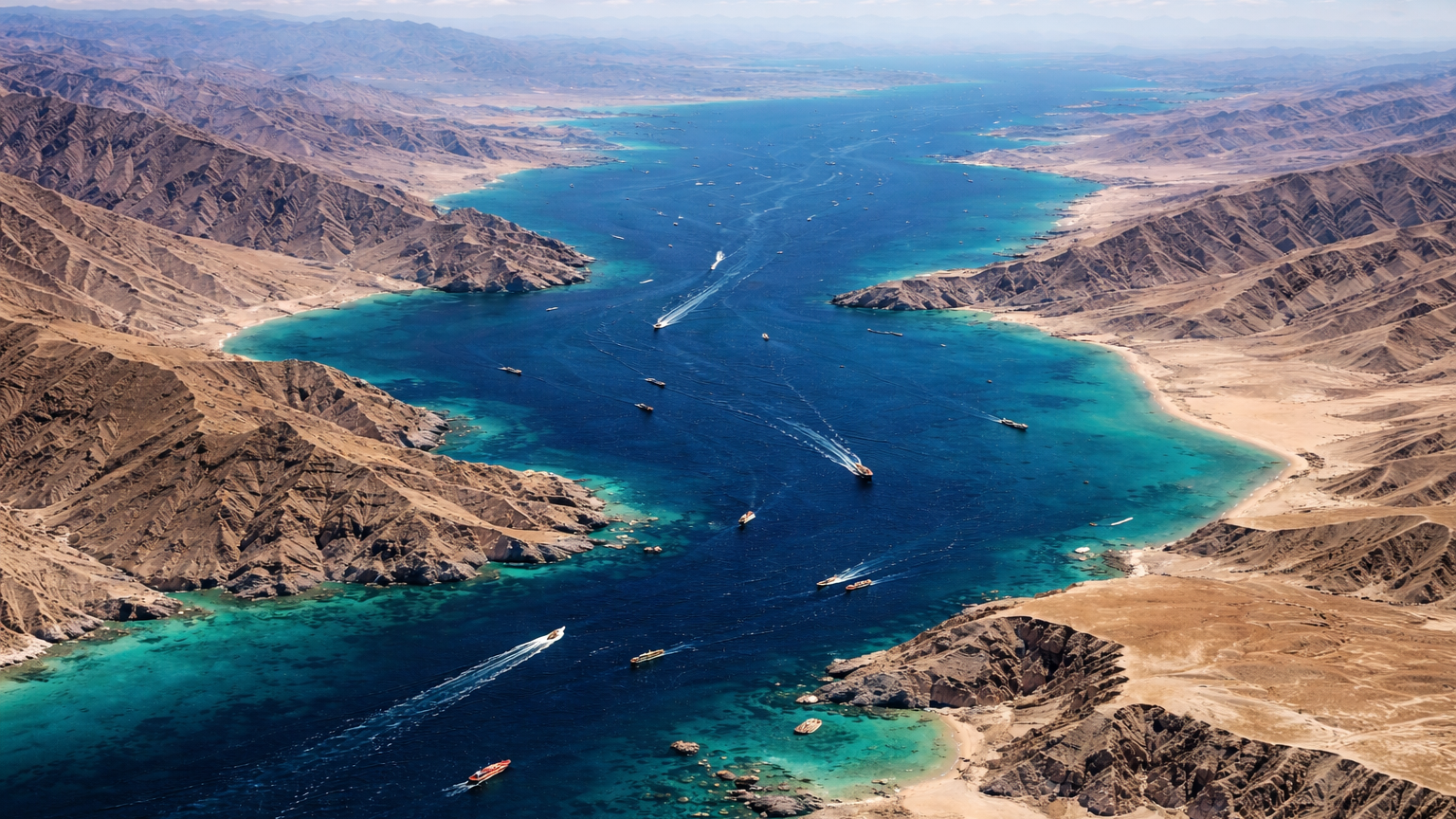
In today’s interconnected global economy, few locations hold as much strategic significance as the Strait of Hormuz. This narrow waterway between Iran and Oman is vital for transporting nearly 20% of the world’s oil and a substantial portion of liquefied natural gas (LNG), making it one of the most crucial chokepoints in international trade.

Recent geopolitical tensions and disruptions in the Strait have revealed how fragile global supply chains can be. For businesses across sectors—from manufacturing and logistics to technology and agriculture—the impacts are profound. However, while the challenges are considerable, they also offer opportunities for organisations to build resilience, innovate, and adapt. Institutions like Robert Kennedy College (RKC) play a crucial role in equipping future leaders with the skills needed to manage such complex global crises.

The Strategic Significance of the Strait of Hormuz

The Strait of Hormuz is more than just a regional shipping route—it is a vital component of the global economy. Every day, millions of barrels of oil and large volumes of gas pass through this narrow passage, supplying energy to leading economies in Asia, Europe, and beyond. Any disruption here is not confined; it has ripple effects throughout the entire global economy.

A prolonged blockage could disrupt trade flows valued at over $1.2 trillion annually, demonstrating the dependency on this single route. Additionally, the Strait is vital for transporting fertilisers and industrial inputs, directly connecting it to global food production and manufacturing systems.

Key Challenges Faced by Businesses

(1) Energy Price Fluctuations

One of the most immediate effects of disruptions in the Strait is a sharp increase in energy prices. With up to one-fifth of global oil supply at risk, even partial disruptions can lead to significant price spikes.

For businesses, this means the following:

  • Rising production costs
  • Elevated transportation expenses
  • Diminished profit margins

Energy-intensive sectors like manufacturing, aviation, and logistics are especially susceptible.

(2) Supply Chain Disruptions

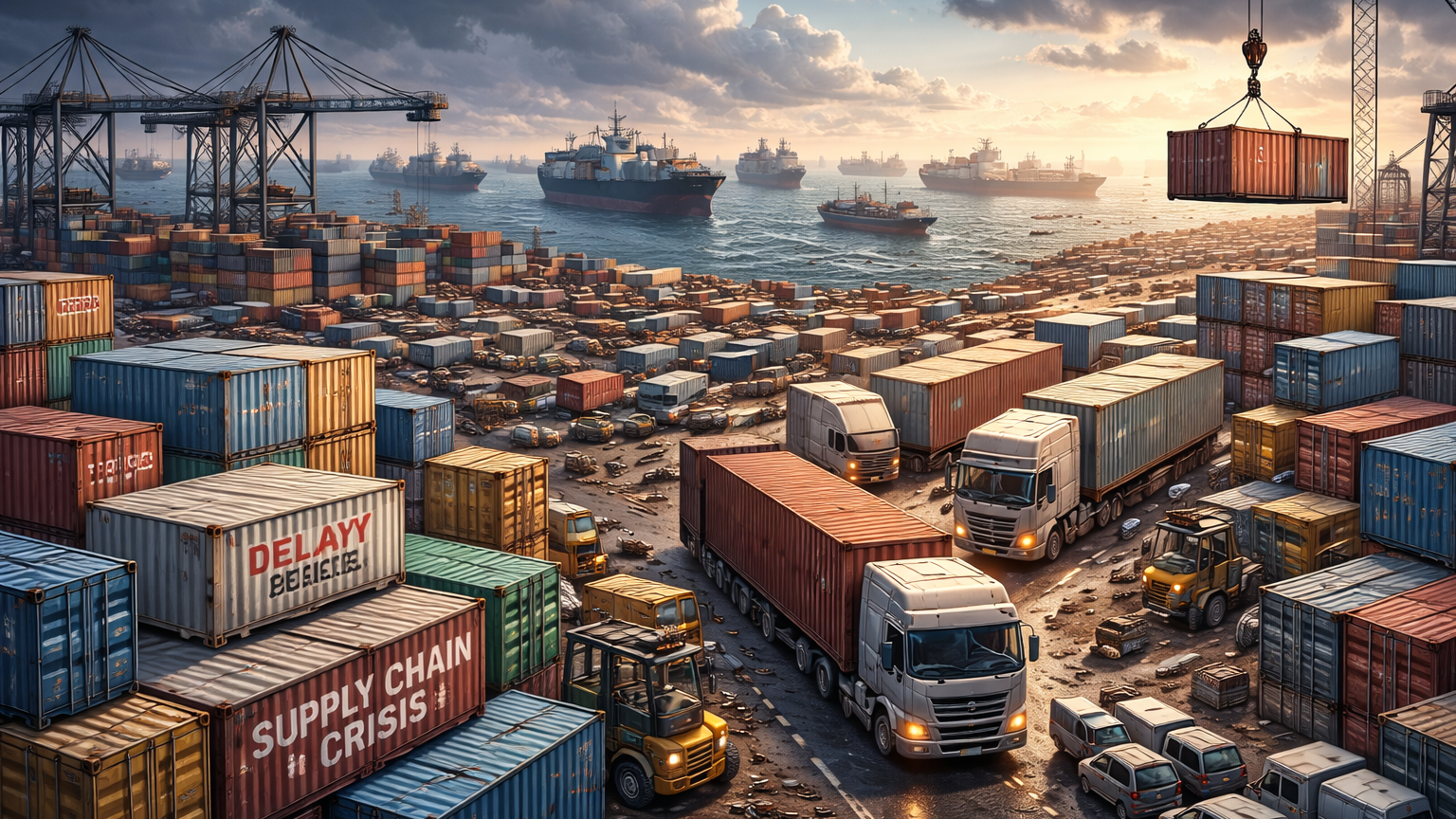
The Strait’s closure or restriction forces shipping companies to reroute vessels, often taking longer and more costly routes. This results in:

  • Delayed deliveries
  • Rising shipping costs
  • Congestion at alternative ports

Global supply chains—already strained in recent years—become even more fragile under such conditions.

(3) Inflationary Pressures

As energy and transportation costs increase, businesses transfer these costs onto consumers. This leads to:

  • Higher prices for goods and services
  • Diminished consumer purchasing power
  • Falling demand in certain sectors

The ripple effect can lead to increased economic instability, with rising cost-of-living pressures globally.

(4) Disruption of Essential Industries

Beyond oil and gas, the Strait plays a crucial role in the movement of:

  • Fertilisers (impacting agriculture)
  • Metals such as aluminium (used in manufacturing)
  • Components for technology and semiconductors

Disruptions in these supply chains can halt production across various industries, including the rapidly expanding AI and technology sectors.

(5) Increased Risk and Uncertainty

Heightened geopolitical tensions escalate risks such as:

  • Shipping insurance expenses
  • Risks to vessel security
  • Regulatory ambiguities

Businesses must function in an environment where predictability is greatly diminished.

How Businesses Can Overcome These Challenges

Although the challenges are considerable, businesses can adopt different strategies to mitigate risks and enhance resilience.

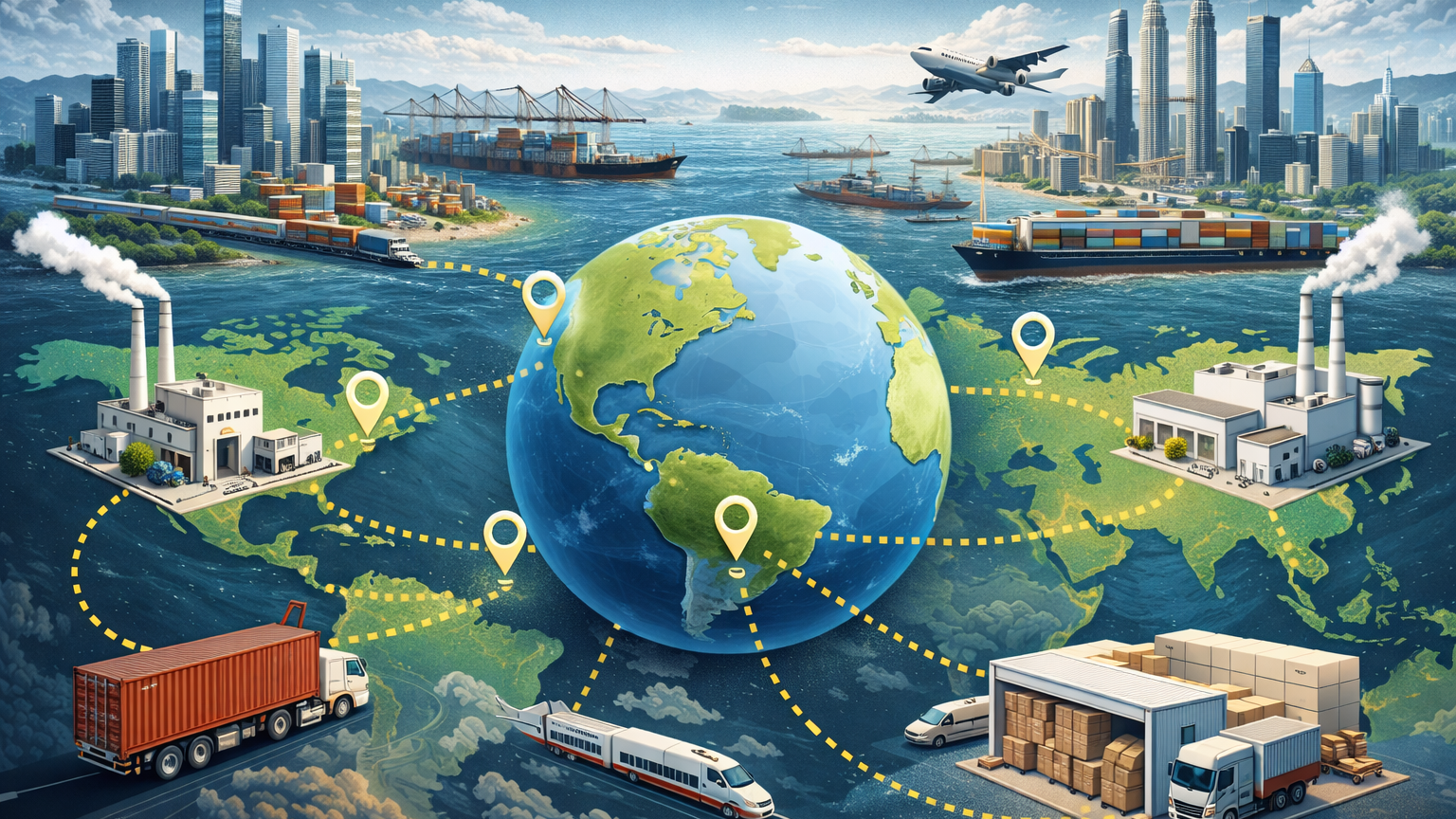
(1) Diversification of Supply Chains

Relying on a single geographical route or supplier is no longer sustainable. Companies should:

  • Source from multiple regions
  • Develop alternative logistics routes
  • Build relationships with diverse suppliers

This decreases reliance on fragile chokepoints such as the Strait of Hormuz. Explore RKC’s MSc programme in Procurement, Logistics and Supply Chain Management, offered in partnership with the University of Salford, UK, and discover how it can enhance your skills in Supply Chain Management.

(2) Investment in Strategic Reserves

Energy-intensive businesses can maintain reserves of vital inputs such as fuel or raw materials. This offers a cushion against short-term disruptions and price fluctuations.

Explore RKC’s MBA programme in Energy and Sustainability, offered in partnership with the University of Cumbria, UK.

(3) Adoption of Digital Supply Chain Technologies

Technologies like AI, data analytics, and blockchain can assist businesses:

  • Predict disruptions
  • Optimise logistics routes
  • Enhance transparency throughout supply chains

Real-time data allows quicker and more well-informed decision-making. RKC offers several online degree programmes in AI, data analytics, and other related fields in collaboration with our university partners.

(4) Nearshoring and localisation

Many companies are relocating production nearer to their main markets. Nearshoring decreases dependence on lengthy, fragile supply chains and enhances their responsiveness to disruptions.

(5) Strategic Planning and Risk Management

Businesses should implement proactive risk management strategies, including:

  • Scenario planning for geopolitical crises
  • Stress-testing supply chains
  • Developing contingency plans

Organisations that foresee disruption are better placed to respond effectively. RKC offers a master’s degree programme in Risk Management and offers several programmes that include modules in Strategic Management. For more information, download our programme catalogue.

(6) Transition to Alternative Energy Sources

Reducing reliance on fossil fuels can help lessen exposure to oil supply disruptions. Investing in renewable energy and energy efficiency not only decreases risk but also supports sustainability objectives. Explore RKC’s MBA programme in Energy and Sustainability, offered in partnership with the University of Cumbria, UK.

The Role of Education in Developing Resilient Business Leaders

Navigating complex global challenges such as the Strait of Hormuz crisis requires more than operational adjustments — it demands strategic thinking, global awareness, and strong leadership.

This is where institutions such as Robert Kennedy College come into play.

Programmes offered by the college aim to equip professionals with:

  • A comprehensive understanding of global business environments
  • Skills in strategic decision-making
  • Proficiency in risk management and leadership
  • Knowledge of digital transformation and innovation

Students learn to analyse real-world challenges and develop practical solutions that can be implemented in their organisations.


The disruption of the Strait of Hormuz acts as a stark reminder of the interconnectedness—and fragility—of the global economy. For businesses, the challenges are considerable: rising costs, disrupted supply chains, and heightened uncertainty.

However, these challenges also offer a chance to rethink strategies, build resilience, and embrace innovation. By diversifying supply chains, investing in technology, and adopting proactive risk management methods, businesses can not only survive such disruptions but also emerge stronger.

At the same time, education plays a vital role in preparing the next generation of business leaders. Institutions like Robert Kennedy College offer the knowledge and skills necessary to navigate an increasingly complex global landscape. If you’re prepared to elevate your career, delve into our list of programmes and embark on your journey today at Robert Kennedy College. You could also chat live with our team of Education Advisers on WhatsApp, who can look at your profile and give you some advice.

Bridging Global Education Gaps: The Impact of Online Learning

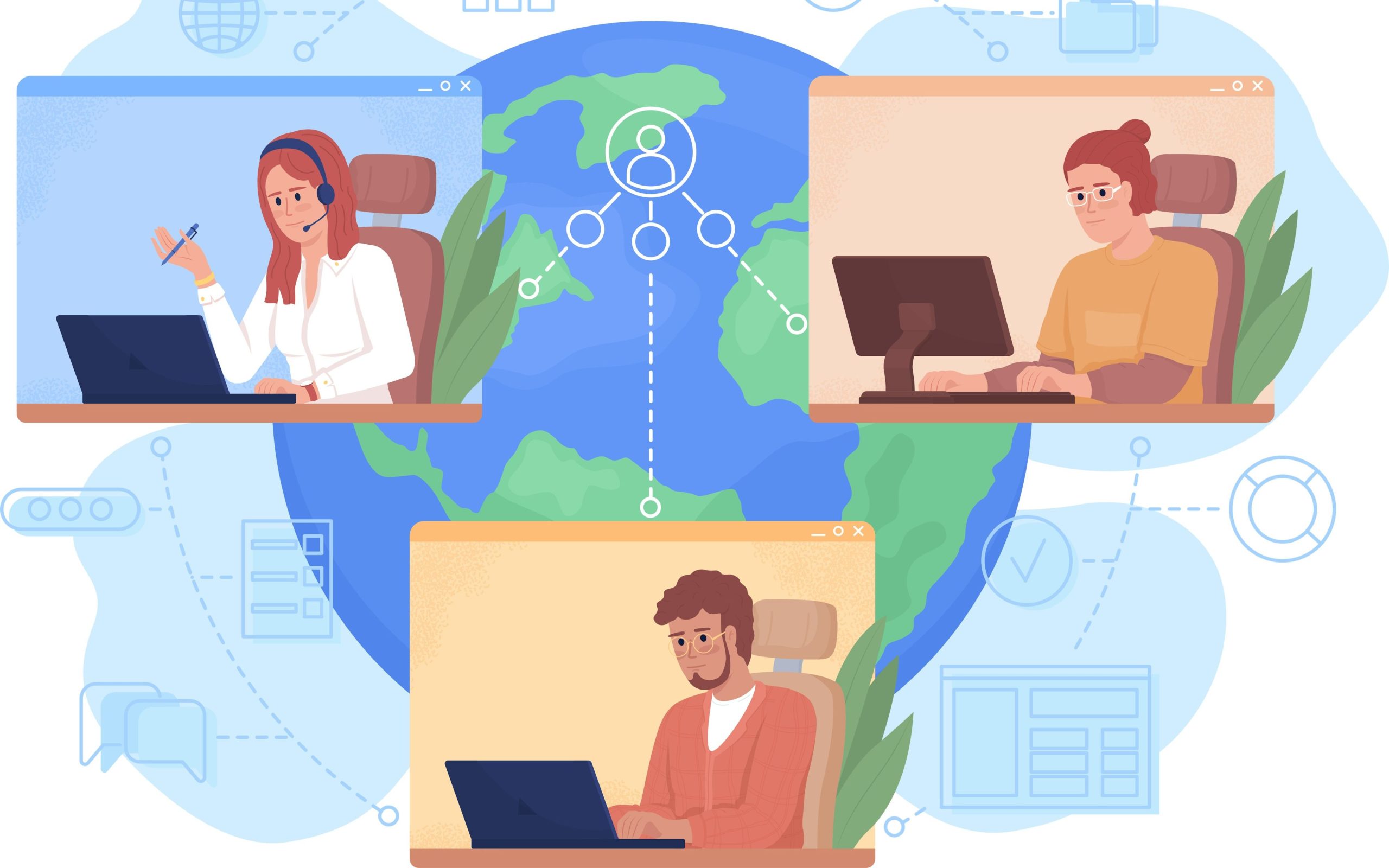
In the early hours of a day in Lagos, a student awakens to the soft glow of a laptop screen. Across continents and time zones, learners are engaging with a digital platform that transcends borders, time, and economic challenges. This modern classroom is rewriting the narrative of higher education, paving the way for a truly global experience.

Photo Credit: Unsplash+

A New Era of Global Learning

For decades, traditional education required physical attendance in lecture halls, limiting learning to specific locations and schedules. However, with the rise of online learning platforms, the dream of world-class education has become accessible to anyone with an internet connection. Institutions like Robert Kennedy College (RKC) have pioneered this digital shift, offering programmes that combine academic rigour with the flexibility modern professionals require. In this new era, quality education is no longer defined by physical location but by passion and dedication.

Breaking Down Geographic Barriers

In many parts of the world, potential and talent remain untapped due to geographic isolation. Traditionally, relocating to study at renowned universities involved significant logistical hurdles, high costs, and personal sacrifices. Today, with online formats, these barriers are disappearing. A student in Lagos can now join virtual classes alongside peers based in major academic centres across Europe and Asia—all without leaving home. The digital classroom brings eminent academic resources to remote locations, ensuring that talent is nurtured regardless of place.

The Digital Learning Environment

RKC’s online programmes are carefully designed to replicate the interactive spirit of traditional classrooms. Through a combination of synchronous live sessions and asynchronous learning modules, the digital format fosters an engaging academic environment. Virtual discussion forums, assignments, and projects enable learners to exchange diverse perspectives, analyse international case studies, and apply theoretical concepts to practical challenges. This interactivity not only enriches learning but also helps build a global network of like-minded peers.

Overcoming Economic Barriers

Photo Credit: Unsplash+

Economic challenges have long been a barrier for many aspiring learners. The costs associated with relocating for international education can be overwhelming—covering everything from tuition fees to living expenses abroad. Online education offers a solution by removing many of these costs. Students can still earn an income, manage existing commitments, and access affordable, high-quality education at the same time. Flexible payment options also promote wider access, ensuring that higher education remains available regardless of financial circumstances.

A Mosaic of Global Perspectives

One of the most enriching aspects of online education is its international student body. Virtual classrooms become melting pots where experiences from different cultures blend into a rich tapestry of ideas. In these digital spaces, a student may encounter perspectives shaped by different regulatory environments, cultural norms, and professional practices. Such diversity fosters a comprehensive understanding of global challenges and prepares learners to navigate the complexities of today’s interconnected world. Collaborative group projects and online forums form the backbone of this interactive learning, transforming theory into practical, real-world strategies.

The Swiss Connection: Precision and Quality

Switzerland has long been associated with precision, quality, and world-class academic standards. RKC utilises these values to offer courses that meet international benchmarks. The institution’s digital curriculum, rooted in Swiss traditions of excellence, guarantees that learners obtain an education that is both challenging and pertinent. Through its strategic partnerships with British universities, RKC extends the reputation of Swiss academia into a flexible online format, providing a distinctive blend of tradition and innovation that caters to the needs of today’s professionals.

Enhancing Professional Growth

Online education is not just a way to gain academic qualifications — it is a broad journey that fosters personal growth and career development. Balancing studies with work and personal commitments builds discipline, time management, and resilience. Each virtual class, assignment, and project strengthens vital skills needed for leadership in a global setting. Graduates come away not only with a degree but also with a strong understanding of modern cultural and economic issues, making them highly adaptable in an ever-evolving job market.

Real Impact Through Global Access

The impact of this new educational model is profound. Students who once faced insurmountable geographic and financial obstacles now have the opportunity to pursue their dreams without compromise. Graduates of RKC’s online programmes are not only well-equipped with academic knowledge but also with a global perspective that empowers them to become leaders in diverse industries. The ability to study from anywhere and apply lessons directly to local challenges represents a transformative shift in global education.

The Road Ahead: A Borderless Future

Photo Credit: Unsplash+

This online signifies more than just a digital link—it captures the spirit of surpassing boundaries and seizing opportunities. In our interconnected world today, quality education is accessible at the press of a button. The story of higher education is being reshaped daily, as online platforms provide vital support to communities that previously lacked access to prestigious academic resources. Institutions like Robert Kennedy College spearhead this change by making geographic and economic barriers obsolete.

A Universal Narrative of Opportunity

Online education exemplifies the relentless human pursuit of knowledge. Across continents, from the vibrant streets of Lagos to the academic ambience of Lausanne, digital classrooms foster a spirit of collaboration, innovation, and inclusion. The experience extends beyond earning degrees—it nurtures global citizenship, empowers learners to bring about change, and transforms the educational landscape into a borderless world of opportunity.

As technology continues to develop and close the remaining gaps, the future of education is more inclusive and accessible than ever before. Robert Kennedy College is leading this movement, creating pathways that enable learners from all around the world to join a global classroom. The promise of accessible, high-quality education is now a reality—a powerful story of hope, perseverance, and unlimited opportunity for everyone.

If you’re prepared to elevate your career, delve into our list of programmes and embark on your journey today at Robert Kennedy College. You could also chat live with our team of Education Advisers on WhatsApp, who can look at your profile and give you some advice.

Mastering Tomorrow: Management Programmes for Your Future

We are almost done with 2024 and I hope the year was blessed for everyone. On behalf of the staff and students at Robert Kennedy College (RKC), I would like to wish you, our readers, and your families a Happy and Prosperous New Year 2025!

As we approach 2025, the landscape of business and management is evolving rapidly. To stay ahead, it’s crucial to choose a master’s programme that not only addresses current trends but also prepares you for the challenges and opportunities of the future. Here are some management programmes you should consider to be better prepared for 2025 and beyond.

(1) Business Administration

Business Administration remains one of the most sought-after degrees for aspiring leaders. It offers a comprehensive curriculum that covers essential areas such as finance, marketing, operations, and strategy. Modern programmes increasingly incorporate courses on digital transformation, sustainability, and global business trends.

RKC offers several 100% online degree programmes in Business Administration including an MSc in Business Administration through our partnership with the University of Salford (UoS), UK, a Master of Business Administration (MBA) and a BA (Hons) in Business Administration through our partnership with the University of Cumbria (UoC), UK.

(2) Digital Transformation

Photo Credit: Unsplash+

As digital technologies continue to reshape industries, a degree in Digital Transformation can equip you with the skills to lead in this new era. These programmes focus on areas such as artificial intelligence, big data, and digital strategy. They prepare graduates to drive innovation and manage digital initiatives within organisations.

At RKC we offer programmes such as MSc in Data Analytics, MBA in Artificial Intelligence, and MBA in Digital Marketing through our partnership with UoC and Master Of Science in Digital Business, through our partnership with UoS, just to name a few.

(3) Sustainability Management

With increasing emphasis on sustainability and corporate social responsibility, a Master in Sustainability Management is becoming more relevant. These programmes teach students how to integrate sustainable practices into business operations and strategy. They cover topics such as environmental management, sustainable finance, and ethical leadership.

If Sustainability is what you are interested in then check out our MBA in Energy and Sustainability, MBA in Finance and Sustainability or MBA in Leadership and Sustainability.

(4) Innovation and Entrepreneurship

For those looking to start their own ventures or drive innovation within existing organisations, a Master’s in Innovation and Entrepreneurship can be invaluable. These programmes focus on developing entrepreneurial skills, from ideation to execution. They often include incubator programmes and teachings from successful entrepreneurs.

Through our exclusive partnership with York St John University (YSJ), UK, we offer 100% online MBA programmes in Leading Innovation and Change, and  Entrepreneurship and Innovation.

(5) Global Business

In an increasingly interconnected world, understanding global markets and cross-cultural management is crucial. A Master’s in Global Business prepares students to navigate the complexities of international business. These programmes cover international trade, global strategy, and cultural intelligence.

RKC offers several programmes in Global Business such as MBA International Business, MSc Computer Science and International Business, MBA International Healthcare Management, MBA Global Hospitality Management, MBA International Relations and Diplomacy, LL.M – Master of Laws in International Business Law, Master of Science in Global Management, Master of Science in International Banking and Finance, Master of Science in International Accounting and Finance, Master of Science in International Business with Law, Master of Science in International Corporate Finance, Master of Science in International Events Management, and LL.M – Master of Laws in International Commercial Law, just to list a few of our programmes.

(6) Human Resource Management

As organisations recognise the importance of talent management, a Master in Human Resource Management (HRM) is becoming more valuable. These programmes focus on strategic HR practices, including talent acquisition, employee development, and organisational behaviour. They prepare graduates to manage the workforce of the future.

As you can imagine, our Master of Science in Human Resource Management and Development is one of our longest running and more popular programmes.

(7) Supply Chain Management

The COVID-19 pandemic highlighted the critical role of supply chains in global business. A degree in Supply Chain Management equips students with the skills to manage complex supply networks and improve operational efficiency. These programmes cover logistics, procurement, and supply chain analytics.

Check out our Master of Science in Procurement, Logistics and Supply Chain Management.

(8) Healthcare Management

Photo by National Cancer Institute on Unsplash

The healthcare industry is undergoing significant changes, driven by technological advancements and an aging population. A Master in Healthcare Management prepares students to lead healthcare organisations and improve patient care. These programmes cover healthcare policy, management, and informatics.

If healthcare is what you are interested in, then have a look at our MBA in International Healthcare Management or MBA in Public Health Management.


Choosing the right master’s programme is a critical step in preparing for the future. As we move towards 2025, the skills and knowledge required to succeed in management will continue to evolve. By selecting a programme that aligns with emerging trends and equips you with the necessary expertise, you can position yourself for success in the decades to come. Whether you are interested in digital transformation, sustainability, entrepreneurship, or global business, there is a programme that can help you achieve your career goals.

But again, the programme you are looking for might not even be on this list. Do your research and choose a programme that works for you. Check out the list of all the programmes we are currently offering and see which one works for you. If you have already made up your mind, click here to apply.