Choosing a Business Degree That Fits Your Career Goals

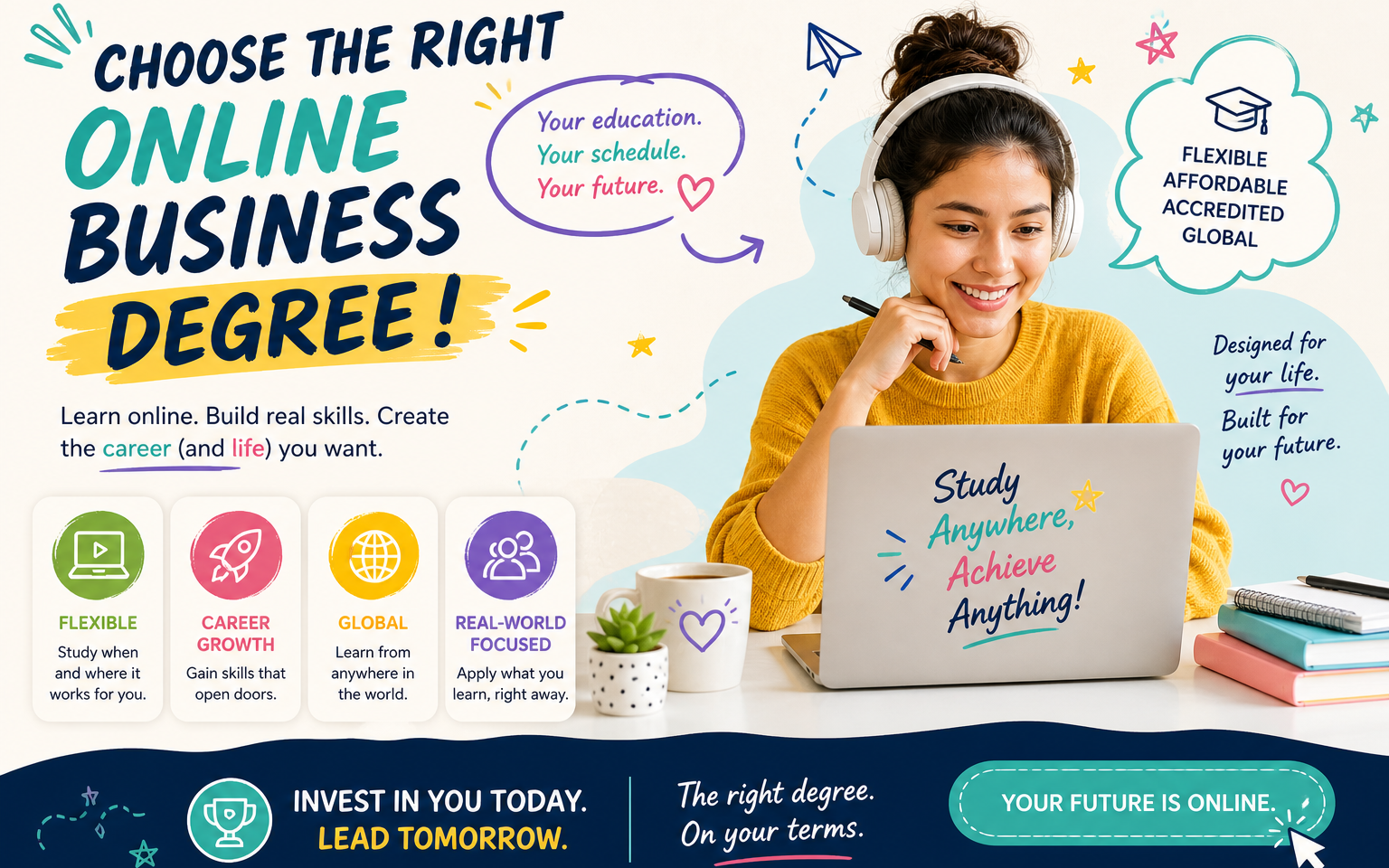
Choosing the right business degree today is about more than earning a qualification. It is about ensuring your learning aligns with a fast-moving, digital world—one that is increasingly emphasising sustainability. At Robert Kennedy College (RKC), our online programmes, including Bachelor, MBA, MSc, LL.M, and PhD options, are designed for ambitious students and working professionals who want to advance their careers while balancing work, family, and personal goals.

Why a business degree matters

In 2026, the business world is shaped by rapid technological change, global connectivity, and evolving regulatory expectations. Organisations compete not only on products and services but also on data-driven decision-making, ethical leadership, and sustainable operating models. A well-chosen business degree equips you with both the conceptual foundations and the practical skills to navigate these shifts with confidence.

For many learners, a business qualification is the bridge from their current role to a higher-impact position—whether that means leading digital transformation, managing international supply chains, driving sustainability initiatives, or shaping legal and governance frameworks for global organisations. RKC programmes are designed with working life in mind, so you can study alongside your job and apply new ideas straight away.

Look for real-world, industry-relevant programmes

It is worth prioritising programmes that reflect how businesses operate in practice, rather than focusing solely on textbook theory. At Robert Kennedy College (RKC), each degree is co-developed through exclusive partnerships with leading UK universities to meet current market needs.

For example:

When choosing a programme, it can help to ask the following:

  • Does the curriculum address current challenges, including digital transformation, sustainability, and globalisation?
  • Can you see a clear link between the topics and the role or industry you are targeting?

Robert Kennedy College programmes are structured to help you answer “yes” to both.

Flexibility that fits your life

One of the biggest advantages of studying online is the flexibility to learn around your schedule. At Robert Kennedy College, you can complete many Bachelor, MBA, MSc, LL.M, and PhD-level qualifications in as little as one year, or spread your studies over up to five years—depending on the programme, and your work and personal commitments.

This flexibility is especially helpful if you are:

  • Working full-time and want to upskill without stepping away from your role.
  • Raising a family or managing responsibilities that make on-campus study difficult.
  • Living in another country and seeking a UK-accredited qualification without relocating.

With Robert Kennedy College’s fully online model, you can access learning materials anytime and anywhere. Optional one-week residencies in England or Zürich, Switzerland, also offer opportunities for face-to-face networking and cultural experiences for those who wish to attend. This blend of online convenience and optional in-person engagement reflects the hybrid ways of working that many organisations now adopt.

Reputation, accreditation, and global recognition

Cost is always an important factor, but many learners also look closely at the quality and reputation of the awarding institution. At Robert Kennedy College, each qualification is delivered through exclusive partnerships with established UK universities, and highly qualified faculty help to ensure that your degree is widely recognised by employers and professional communities worldwide.

For business professionals, this can be important because:

  • Employers often value degrees from reputable institutions when making hiring and promotion decisions.
  • Professional bodies may accept recognised UK qualifications as a basis for membership or for licensing (depending on the field).
  • If you plan to work internationally, a well-recognised degree can simplify credential recognition and, in some cases, facilitate relocation.

Whichever level you choose—Bachelor, MBA, MSc, LL.M, or DBA/PhD—you will be working towards a qualification within a respected international framework, rather than a generic online certificate.

What can a business degree do for you?

People typically pursue a business degree for one or more of three reasons:

  • To progress within their current career path.
  • To move into a new sector or role.
  • To launch or grow a business.

Robert Kennedy College programmes are designed to support all three goals.

For instance, if you work in marketing or communications, an MBA in Digital Marketing or an MSc in Marketing could help you move into senior brand, campaign, or strategy roles. If your background is in IT or operations, an MBA in Information Technology, an MBA in Leadership and Sustainability, or an MSc in Operations Management may support progression into leadership or consulting positions. If you work in law or governance, an LL.M in International Business Law or an LL.M in Corporate Governance can equip you to advise organisations on complex cross-border and regulatory issues.

If you are looking to start or scale a business, programmes such as the MBA International Business, MBA Risk Management, and MBA Public Administration can deepen your understanding of markets, stakeholders, and risk—helping you develop credible plans that resonate with investors and partners.

Finding the right level for you

Robert Kennedy College offers a full range of business-focused qualifications, enabling you to choose a level that suits your experience and ambitions:

  • Bachelor’s level (for example, BA (Hons) in Business Administration or BSc in Business with Management) for those starting their higher education journey or building a strong foundation before moving into management.
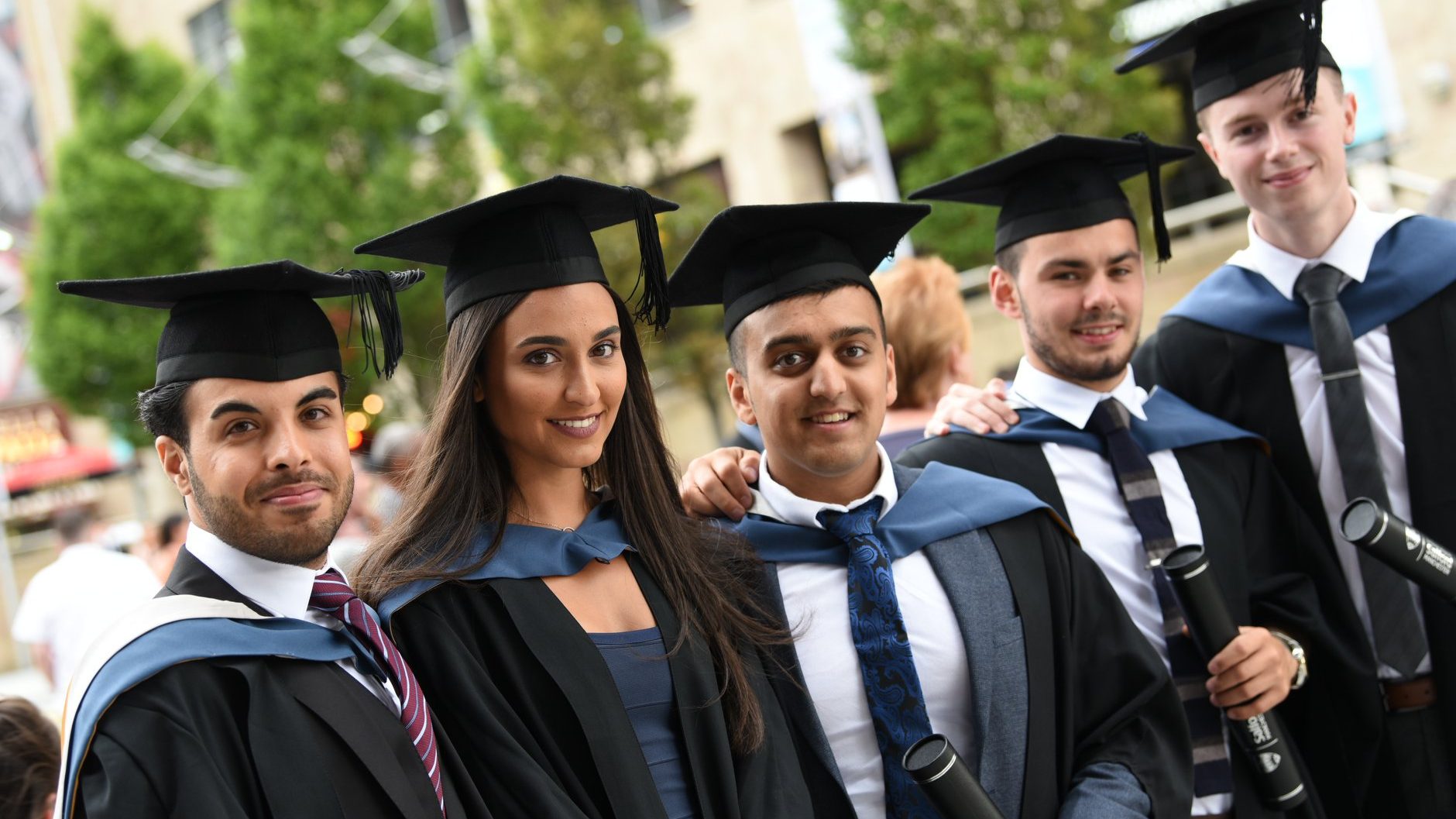
  • Master’s-level (a wide range of MBAs and MScs) for professionals seeking to deepen expertise, change direction, or accelerate into leadership.
  • LL.M. level for learners focused on law and governance who wish to specialise in international business law or corporate governance.
  • Doctoral-level (such as the Doctor of Business Administration) for senior executives, consultants, or educators seeking to contribute original research and thought leadership.

Choosing the right level starts with a clear view of where you are now and where you would like to be. If you are early in your career, a Bachelor’s degree or a foundational MBA may help open doors. If you are mid-career, a specialised MBA or MSc can help you build authority and deepen your expertise. If you are already at a senior level, an LL.M or DBA may position you as a strategic adviser or thought leader.

Deciding to pursue a business degree is a strong statement of ambition and commitment to growth. With Robert Kennedy College, you choose flexibility and quality, alongside a learning environment that reflects the realities of modern organisations: digital, diverse, and increasingly focused on responsibility and impact. If you are ready to take the next step, explore the full range of online Bachelor, MBA, MSc, LL.M, and PhD/DBA-level programmes. Click here to apply.

Why Studying an MBA or MSc Now Makes Sense in a Changing Global Economy

A World in Constant Transition

The global economy is evolving at a rapid pace. From inflation and shifting interest rates to the rise of artificial intelligence, professionals today are navigating continuous change. In such an environment, success depends not just on experience, but on the ability to adapt, learn, and make informed decisions. This is why pursuing an MBA or MSc has become more relevant than ever.

The world of work is being reshaped by technology and innovation. Companies like Microsoft and Google are continuously redefining roles by integrating AI and automation into everyday business functions. This does not necessarily mean jobs are disappearing; rather, they are evolving. Professionals are now expected to bring a combination of technical awareness, strategic thinking, and adaptability. Those who invest in continuous learning are far better positioned to stay relevant and grow in this dynamic environment.

Today’s professionals are expected to:

  • Adapt to rapidly changing roles
  • Understand both business and technology
  • Think strategically, not just operationally

Those who invest in learning are better positioned to stay competitive.

Learning from Real-World Business Shifts

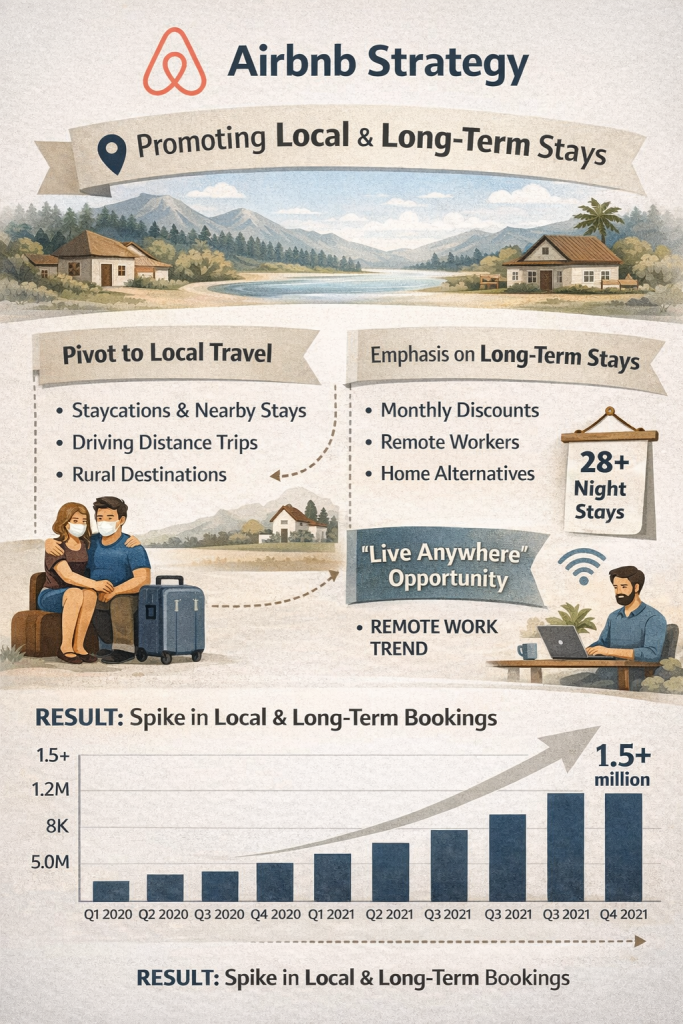
Real-world examples clearly show how businesses must adapt to survive and thrive. During periods of disruption, companies that respond quickly often emerge stronger. Airbnb is a strong example of this. When global travel declined, the company shifted its focus to local and long-term stays, adapting its strategy to changing customer behavior. This kind of pivot requires more than just operational changes—it demands strategic thinking, innovation, and the ability to make decisions under uncertainty. These are precisely the capabilities developed through postgraduate business education.This kind of transformation requires:

  • Strategic thinking
  • Market awareness
  • Innovation under pressure

These are not instinctive skills—they are developed through structured learning.

Why an MBA Still Holds Strong Value

An MBA continues to hold strong value because it equips professionals with a broad understanding of how businesses operate. An MBA develops the ability to think strategically, understand financial implications, and lead teams effectively. In a rapidly changing economy, organizations need individuals who can connect insights across functions and make informed decisions, rather than simply follow established processes. An MBA helps you:

  • Understand how different business functions connect
  • Make informed financial and strategic decisions
  • Lead teams in uncertain environments

In today’s economy, organizations value leaders who can see the bigger picture.

The Rising Importance of Specialised MSc Degrees

At the same time, MSc programmes have become equally important, especially as industries demand deeper specialization. While an MBA provides a holistic business perspective, an MSc allows professionals to build expertise in specific areas such as artificial intelligence or innovation. Companies like Amazon demonstrate how critical this combination is—leveraging advanced technologies while continuously innovating to stay competitive. Professionals with specialized knowledge are increasingly valuable, as they can solve complex problems and contribute to strategic initiatives in meaningful ways. An MSc enables you to:

  • Develop technical and analytical skills
  • Solve complex, real-world problems
  • Build expertise in high-demand fields

This specialization creates a strong competitive advantage.

Flexibility and the Rise of Online Learning

One of the biggest advantages today is the ability to study while working. Institutions like Robert Kennedy College offer flexible online programmes designed for professionals.

This allows you to:

  • Continue earning while studying
  • Learn from anywhere in the world
  • Apply knowledge immediately at work

Education becomes part of your career—not a break from it.

Immediate Application, Real Impact

This immediate application of knowledge is one of the most powerful aspects of studying now. Professionals are not waiting until graduation to benefit from their degrees. Instead, they are using what they learn in real time—whether it is applying strategic frameworks to business challenges, introducing new technologies, or refining processes within their organizations. This creates a direct link between education and career progression, making the learning experience far more meaningful.

In an uncertain economic environment, resilience becomes a key differentiator. Higher education helps build not just knowledge, but also confidence and perspective. It enables individuals to understand global trends, evaluate risks, and make decisions even when outcomes are unclear. These are essential skills in today’s world, where change is constant and often unpredictable.

Choosing the Right Path: MBA or MSc

Choosing between an MBA and an MSc ultimately depends on individual career goals. An MBA is ideal for those looking to move into leadership or management roles, offering a broad and strategic view of business. An MSc, on the other hand, is better suited for those who want to deepen their expertise in a specific field and develop technical or analytical capabilities. Both paths are valuable, and in many ways, they complement each other in preparing professionals for the future.

The global economy is not slowing down—it is transforming. Waiting for the “right time” to invest in education may mean falling behind. The professionals who succeed are those who take proactive steps to adapt and grow during times of change. An MBA or MSc is not just a qualification; it is an investment in the ability to think critically, lead effectively, and innovate continuously.

The global economy is not slowing down—it is transforming. Waiting for the “right time” may mean missing opportunities. The professionals who succeed are those who take action and continue to grow.

An MBA or MSc is more than a qualification—it is an investment in your ability to:

  • Adapt
  • Lead
  • Innovate

Ready to Take the Next Step?

If you are looking to future-proof your career, programmes offered by Robert Kennedy College provide Flexible online learning, internationally recognised UK degrees and Practical, real-world application

Whether your goal is to step into leadership or build specialised expertise, the right programme can help you get there.

Explore your options and start shaping your future today.

Exploring the New Online MSc Artificial Intelligence and MBA: Key Highlights from the February 2026 Info Session

On 19 February 2026, prospective students from around the world joined an engaging online information session introducing two forward-looking programmes: the Online MSc in Artificial Intelligence and the Online MBA. The session was presented by Dean David Costa, who shared valuable insights into the programmes, the learning approach, and the international academic partnerships that make these qualifications globally respected.

The session provided an excellent opportunity for participants to understand how flexible, online postgraduate education can support career progression in today’s rapidly evolving professional landscape.

A Welcome from Dean David Costa

The session opened with remarks from Dean David Costa, who highlighted the growing importance of advanced education in fields such as artificial intelligence, data-driven decision-making, and strategic leadership.

He emphasized that modern professionals increasingly require both technical knowledge and managerial expertise to remain competitive in global industries. Online learning models, when designed effectively, enable working professionals to gain these competencies without interrupting their careers.

Dean David Costa also introduced the academic philosophy behind the programmes:

  • Flexible online learning
  • Practical and industry-relevant curriculum
  • International academic collaboration
  • Support for a global student community

The MSc in Artificial Intelligence: Preparing for the Future of Technology

One of the highlights of the session was the introduction of the Online MSc in Artificial Intelligence, a programme designed for professionals interested in developing advanced expertise in AI technologies and applications.

Key Focus Areas

The MSc programme explores core areas of modern artificial intelligence, including:

  • Machine learning and deep learning
  • Data analytics and intelligent systems
  • AI ethics and responsible technology development
  • Applications of AI in business and industry

Students gain both theoretical understanding and practical skills, enabling them to design and implement intelligent systems that can solve real-world problems.

The Online MBA: Developing Global Business Leaders

The information session also introduced the Online MBA programme, designed for professionals aiming to advance into leadership and management roles.

Programme Highlights

The MBA curriculum focuses on key areas of strategic management and organizational leadership, including:

  • Strategic management and leadership
  • Financial decision-making
  • Global business environment
  • Marketing strategy
  • Digital transformation and innovation

The programme encourages students to apply theory directly to real business challenges, helping them develop the strategic thinking required in modern organizations.

Who the MBA is Designed For

The MBA programme is ideal for:

  • Mid-career professionals seeking leadership roles
  • Entrepreneurs and business founders
  • Managers looking to strengthen strategic decision-making skills
  • Professionals transitioning into management

Through case studies, research, and collaborative learning, students develop a holistic understanding of business operations and strategy.

International Academic Partnerships

A key strength of the programmes discussed during the session is the academic partnership with respected UK universities. Through these collaborations, students benefit from internationally recognized degrees while studying through a flexible online format.

These partnerships ensure that:

  • The curriculum meets high academic standards
  • Degrees are globally recognized
  • Students receive rigorous academic support and supervision

By combining Swiss-based online education delivery with UK university accreditation, the programmes offer students a truly international educational experience.

Watch the Event Recording

For those who were unable to attend the live session, the event recording provides a detailed overview of both programmes, including admissions information, programme structure, and career benefits.

The recording offers prospective students the opportunity to hear directly from the dean and learn how these programmes can support their professional ambitions.

The Online information session highlighted how postgraduate education is evolving to meet the needs of a digital and global workforce. Programmes such as the Online MSc in Artificial Intelligence and the Online MBA combine academic rigor with flexibility, allowing professionals to develop advanced expertise while continuing their careers.

As industries continue to be transformed by technology, data, and innovation, programmes that integrate technical knowledge with strategic leadership skills will play an increasingly important role in shaping the next generation of global professionals.

NINE Tips to Turn Your Online Degree into a Job-Ready Advantage

In today’s competitive job market, standing out is more important than ever. For students and graduates of Robert Kennedy College (RKC), the flexibility and global reach of an online degree are truly valuable assets—yet employers may not immediately see their value. The key lies in how you showcase your qualifications. By presenting your online degree compellingly, you can transform it from a simple line on your résumé into a powerful story of resilience, adaptability, and international perspective.

Photo Credit: Unsplash+

Let’s explore some practical strategies to help you highlight your RKC degree when applying for jobs so that employers can appreciate the full value of your education.

1. Reframe Your Story: Online Learning as a Strength

Many worry that online degrees are perceived as less valuable than traditional ones. However, online learning demands discipline, good time management, and self-motivation—qualities highly valued by employers.

  • Emphasise independence: Share how you managed your coursework alongside work or personal commitments, demonstrating initiative and responsibility.
  • Highlight adaptability: Online learning mirrors today’s workplace, where remote teamwork and digital communication are commonplace.
  • Show resilience: Completing a degree online proves you can succeed outside conventional settings—especially valuable in dynamic and evolving industries.

2. Highlight RKC’s Global Reach and Partnerships

Photo Credit: Unsplash+

RKC collaborates with reputable UK universities, offering degrees recognised worldwide. This is a significant advantage.

  • Mention accreditation and partnerships: Employers appreciate degrees from established institutions.
  • Emphasise diversity: RKC’s students come from over 150 countries. Discuss how this international exposure has enhanced your cultural awareness and ability to work effectively in multicultural teams.
  • Frame it as international experience: Even if you studied from home, your classmates and professors represented a global network.

3. Translate Your Online Learning Skills into Workplace Strengths

What truly matters to employers is the skills you have acquired. Online learning helps develop abilities directly applicable in today’s work environments.

  • Digital communication: You have become proficient with tools such as Zoom, Teams, and online forums—skills essential for hybrid workplaces.
  • Project management: Managing assignments, deadlines, and group projects demonstrates your organisational skills.
  • Cross-cultural collaboration: Working with peers from around the world fosters empathy and global business insights.

4. Tell Your Story in Applications and Interviews

Facts alone don’t persuade—stories do. Frame your online degree as part of your personal growth.

  • Create a narrative: Explain why you chose online learning—be it for flexibility, international exposure, or career advancement.
  • Demonstrate transformation: Share how earning your degree changed your perspective or improved your professional skills.
  • Align with employer values: Tailor your story to match what the company values—such as innovation, global reach, or adaptability.

5. Leverage Networking Opportunities

Photo Credit: Unsplash+

Many believe online degrees lack networking potential, but with RKC’s global community, plenty of connections await.

  • Engage with alumni: Connect on LinkedIn, join RKC groups, and showcase your involvement.
  • Highlight collaborations: Employers love teamwork—emphasise group projects or discussions with international peers.
  • Stay active: Share insights from your studies on professional platforms to demonstrate thought leadership.

6. Present Your Degree Professionally on Your Résumé

How you list your degree makes a difference. Be clear, specific, and confident.

Example:

MBA/MSc/PhD/DBA/BBA, Robert Kennedy College in partnership with the University of *********

  • Add context: Mention if your degree was obtained online, but focus on skills and achievements.
  • Include accomplishments: Highlight distinctions, research projects, or capstone work.

7. Show Your Commitment to Continuous Learning

Employers value candidates who continue to grow professionally.

  • Add certifications: Include short courses, workshops, or other professional development activities.
  • Show curiosity: Demonstrate a genuine interest in learning new things.
  • Connect to industry trends: For example, if you studied business, mention exploring topics like digital transformation, AI, or sustainability.

8. Use Digital Platforms to Promote Your Degree

Photo Credit: Unsplash+

Your online presence reflects your personal brand. Ensure your degree is well represented.

  • LinkedIn: List your degree clearly, join RKC alumni groups, and share your learning experiences.
  • Portfolio: If your coursework included projects, create an online portfolio to showcase your work.
  • Personal branding: Write blogs or articles sharing insights from your studies, establishing yourself as a thought leader.

9. Believe in Your Degree and Show Confidence

How you discuss your degree makes a significant difference. Present it confidently, and others will recognise its value.

  • Avoid minimising it: Never say “just an online degree.”
  • Be proud: Your RKC qualification is rigorous, recognised internationally, taught by highly qualified faculty and highly respected.
  • Own your journey: Employers respond well to candidates who genuinely believe in their worth.

Promoting your online degree involves changing perceptions and emphasising its unique strengths. For RKC students and graduates, the combination of international exposure, digital teamwork, and self-motivation creates a compelling profile. By confidently sharing your degree, aligning it with employers’ needs, and showcasing your skills, you can turn your online education into a real career advantage.

Remember: Your degree isn’t just proof of academic achievement—it’s a testament to your adaptability, resilience, and global outlook. And in today’s workplace, those qualities are exactly what employers are searching for.

Choosing the right online master’s degree — such as those offered by RKC — allows you to start transforming your capabilities today. Whether your goal is to lead digital transformation in your organisation, develop an entrepreneurial venture, or move into a strategic role in a global company, the path is clear: improve remote collaboration skills, increase AI literacy, base your decisions on data, and enhance cultural agility. If you’re ready to lead in the digital economy — not just keep up — explore RKC’s programmesconnect with our advisors, and take the next step in your leadership journey.

Changing Lives Through MBA Educational Leadership: Empowering Educators for Management and Leadership Roles

Why Educational Leadership Matters More Than Ever

Education systems across the world are undergoing rapid transformation. Digital delivery, inclusive education practices, and the demand for lifelong learning have reshaped what it means to be an effective educator today. Increasingly, teachers and academic professionals are stepping into leadership and management roles to shape these changes at an institutional level.

An MBA in Educational Leadership offers educators the opportunity to extend their impact beyond the classroom — developing strategic, managerial, and leadership capabilities needed to lead modern educational organisations.

Delivered by the University of Cumbria in collaboration with Robert Kennedy College (RKC), this programme is designed specifically for educators seeking leadership roles in a global education environment.

Why Choose an MBA in Educational Leadership?

Unlike traditional education degrees, an MBA in Educational Leadership combines educational theory with business and leadership practice. This approach prepares graduates to:

  • Lead schools, colleges, universities, and training organisations
  • Manage people, budgets, and institutional change
  • Align educational strategy with global trends and policy shifts
  • Improve student outcomes through effective leadership

For educators aspiring to roles such as academic manager, programme leader, school administrator, education consultant, or policy advisor, this qualification provides both credibility and practical skills.

University of Cumbria and Robert Kennedy College: A Global Partnership

The MBA in Educational Leadership is awarded by the University of Cumbria (UK) and delivered online through Robert Kennedy College, based in Switzerland. This partnership combines British academic standards with flexible, international online delivery. According to industry rankings, the University of Cumbria is #1 in the UK for producing business leaders (in Novuna’s Degrees that Lead to Leadership study) and #8 worldwide for quality education in the Times Higher Education Impact Rankings. 

Key benefits of studying through RKC include:

  • 100% online learning via a structured virtual campus
  • Flexible study options designed for working professionals
  • An international student cohort, offering global perspectives
  • British degree recognition with worldwide relevance

This collaborative model reflects modern higher education delivery — accessible, inclusive, and globally connected.

Programme Modules: What Educators Learn

The MBA in Educational Leadership curriculum is structured to develop strategic, ethical, and people-focused leaders in education.

Core Modules

  • Organisational Behaviour
    Understand how individuals and teams function within educational organisations.
  • Marketing Management
    Learn how educational institutions position themselves, communicate value, and respond to stakeholder needs.
  • Models and Theories of Educational Leadership
    Explore leadership frameworks specific to educational contexts, grounded in research and practice.
  • Enterprise Ethics and Sustainability
    Develop responsible leadership approaches aligned with ethical and sustainable education systems.
  • Strategic Management
    Gain the skills to lead change, manage complexity, and make long-term strategic decisions.

Elective Modules

Students choose electives such as:

  • Financial Management
  • Money Management

These modules are particularly valuable for educators moving into senior leadership roles involving budgeting, funding, and resource planning.

Dissertation

The programme concludes with a research-based dissertation, allowing students to investigate a real-world educational leadership issue relevant to their professional context.

Supporting Global Teaching Trends

Blended and Online Learning

The programme’s online delivery mirrors the global shift toward blended and digital education, preparing leaders to design, manage, and evaluate flexible learning models within their institutions.

Inclusive Education

Learning within an international cohort encourages cultural awareness and inclusive leadership practices — essential for supporting diverse student populations and equitable education systems.

Lifelong Learning

By returning to study themselves, educators embody the principle of lifelong learning, strengthening their ability to foster learning cultures within their organisations.

Career Pathways After an MBA in Educational Leadership

Graduates of the MBA in Educational Leadership are well-positioned for roles such as:

  • Academic or Programme Manager
  • School or College Administrator
  • Education Consultant
  • Learning and Development Manager
  • Policy and Education Strategy Advisor

The programme supports both career progression and professional transformation, enabling educators to influence education at scale.

From Educator to Education Leader

Education leaders play a critical role in shaping the future of learning. The MBA in Educational Leadership from the University of Cumbria, delivered in collaboration with Robert Kennedy College, equips educators with the strategic insight, leadership capability, and global perspective required to lead confidently in a changing world.

For educators seeking leadership or management roles, this programme is more than a qualification — it is a pathway to greater impact, influence, and professional growth.

The Unconventional Strategy Toolkit: Data Science, Design, and Behavioral Nudges

Strategic management in the RKC MBA programme emphasizes not only analytical rigour but also the ability to interpret complex, interconnected business environments through multiple lenses. This blog by an Executive MBA student of Robert Kennedy College – Gohar Hovsepyan explores how modern strategy has expanded far beyond traditional models, integrating insights from behavioral science, data analytics, design thinking, and sustainability. By examining these unconventional yet increasingly essential disciplines, she aims to bridge the theory from the Strategic Management module with the emerging realities facing today’s leaders—where strategy is dynamic, human-centred, data-informed, and purpose-driven.

Strategic management, once viewed as a purely executive function, is undergoing a revolutionary transformation. For today’s MBA students and business leaders, understanding strategy means recognizing its innovative blend with disciplines far beyond traditional business studies. This evolution is crucial for navigating the complexity, rapid change, and interconnectedness of the modern global market.

The New Strategic Ecosystem

Traditional strategic models focused heavily on competitive analysis, internal resources, and static long-term planning. While these fundamentals remain important, contemporary strategic management is increasingly a dynamic, cross-disciplinary endeavor.

1. Strategy & Behavioral Science: The Human Element

The best-laid plans often fail due to human factors. This is where behavioral science—including psychology, cognitive science, and sociology—proves invaluable.

  • Nudge Theory: Strategists are using principles like Nudge Theory (Thaler & Sunstein) to subtly guide organizational behavior toward strategic goals, improving everything from compliance to innovation adoption.
  • Cognitive Biases: By understanding biases like confirmation bias or sunk cost fallacy, leaders can de-risk decision-making processes and foster more objective strategic reviews.
  • Organizational Culture: Strategy execution is inseparable from culture. Behavioral science provides the tools to intentionally design the organizational environment to support strategic priorities, for example, by restructuring incentives to prioritize long-term value over short-term gains.

2. Strategy & Data Science: Precision and Foresight

The explosion of data has fundamentally changed strategic intelligence. Strategy is now deeply interwoven with data science, machine learning (ML), and artificial intelligence (AI).

  • Predictive Analytics: ML models can forecast market shifts, customer churn, and competitor moves with unprecedented accuracy, allowing for truly proactive strategic adjustments rather than reactive ones.
  • Real-time Strategy: Cloud computing and IoT (Internet of Things) enable strategies to be evaluated and adjusted in near-real-time based on live performance data, moving away from annual review cycles.
  • Competitive Intelligence: AI-driven text analysis and sentiment mapping provide a deep, ongoing understanding of the competitive landscape, customer needs, and emerging technological threats.

3. Strategy & Design Thinking: The Customer at the Core

In a world defined by experience, Design Thinking has become a vital strategic tool, shifting the focus from “what we can build” to “what problems we can solve for the customer.”

  • Empathy: Strategic exploration begins with deep customer empathy, using ethnographic research and observation to uncover unmet, often unarticulated, needs.
  • Prototyping & Iteration: Strategy development is no longer a linear process. Design Thinking encourages fast, low-fidelity prototyping of business models and strategic initiatives, allowing for rapid failure and learning before massive investment. This minimizes the risk associated with bold strategic moves.
  • Innovation Strategy: By framing problems as design challenges, organizations can generate genuinely novel solutions, leading to breakthrough innovations and the creation of entirely new markets (Blue Ocean Strategy).

4. Strategy & Sustainability/Ethics: Purpose-Driven Value 

Modern strategy cannot ignore its impact on society and the environment. Environmental, Social, and Governance (ESG) considerations are no longer a regulatory footnote but a core strategic driver.

  • Stakeholder Strategy: Moving beyond the shareholder primacy model, strategists are adopting a stakeholder view, recognizing that long-term value creation depends on balancing the needs of employees, communities, suppliers, and the planet.
  • Circular Economy Models: Strategic innovation increasingly focuses on resource efficiency, waste reduction, and closed-loop systems, creating new efficiencies and resilient supply chains.
  • Risk Management: Strategic oversight of ethical AI use, data privacy, and climate-related risks is now mandatory for corporate longevity and reputation management.
Key Takeaway for the MBA Strategist

The future strategist isn’t just an analyst; they are a synthesizer—a polymath who can speak the language of the psychologist, the data scientist, and the designer.

To excel in strategic management today, you must:

  1. Embrace Data Literacy: Understand how to frame strategic questions that data science can answer.
  2. Cultivate Empathy: Ground all strategic choices in a deep understanding of human needs (customers and employees).
  3. Practice Agility: Adopt an iterative, test-and-learn approach, treating strategy as a living hypothesis rather than a rigid blueprint.

The most powerful strategy is one that leverages the intelligence of multiple disciplines to create value that is not only profitable but also purposeful and resilient. Strategic management is no longer a department; it’s a mindset.

As this exploration shows, the strategist of the future must draw from a multidisciplinary toolkit—mirroring the holistic, systems-based approach championed in the RKC MBA Strategic Management module. Whether leveraging data for foresight, using behavioral insights to enhance execution, or applying design thinking to uncover new market opportunities, modern strategic management demands curiosity, adaptability, and critical reflection. Ultimately, strategy becomes most powerful when it blends analytical frameworks with human insight and ethical responsibility, enabling leaders to shape organisations that are competitive, innovative, and resilient in an ever-evolving world.

Leading with Purpose: An RKC Student’s Reflections on the MBA in Leadership and Sustainability

When she first enrolled in the MBA in Leadership and Sustainability with Robert Kennedy College (RKC) in partnership with the University of Cumbria, she wasn’t entirely sure what to expect. Like many working professionals, Birgitta had questions: Would online learning feel isolating? Could she really manage postgraduate study alongside a full-time job? Would the content truly challenge and grow her perspective on leadership and sustainability in today’s fast-changing world?

Now well into her studies, Birgitta finds herself reflecting on just how transformative the experience has been.

Photo by Nick Fewings on Unsplash

In this blog, she shares her journey as an online student—what motivated her to choose RKC, how she stays engaged in a digital classroom, and how the programme is shaping her approach to leadership, sustainability, and impact. Whether you’re exploring MBA options or simply curious about the real experience behind online learning, her story offers a personal window into what it means to study with intention, flexibility, and global perspective.

Let’s dive into Birgitta Koskinen’s journey!

What motivated you to pursue your degree online?

I chose to pursue my MBA online because the working world has shifted to a digital environment, and I believe a globally connected online workspace is our present and future. Robert Kennedy College’s close partnership with the University of Cumbria, which was ranked 8th globally for quality education in 2020, further solidified my decision. The Leadership and Sustainability program perfectly aligns with my long-term career advancement goals and my desire to update my degree. It was an opportunity to learn how to be an influential leader now and, in the future, as well as to coach managers and leaders on achieving better results, which is a core mission of the organisation. As an idealist, I also sought to deepen my understanding of organisational behaviour and sustainability within a leadership and business context, as I believe people should be able to thrive and flourish.

Studying online allowed me to fit my studies into my personal life and work schedule. Initially, I was intimidated by the idea of returning to school, and I was also nervous about studying in English—not to mention writing in Harvard style, which frankly terrified me. I’ve always been a poor writer, even in my native language, and I see myself more as a “storyteller.” However, the program’s flexibility—the option to pause my studies or even withdraw—lowered the barrier to entry. The anonymity of online learning initially felt safe. In the end, my youngest child inspired me to leap, telling me, “Mom, it’s now or never—you can do it.” Encouraged by their support, I embraced the challenge in a truly international environment.

How would you describe your overall experience with the online university?

From the very beginning, I noticed that we were truly required to commit, read, and, above all, understand rather than simply memorise. The professors showed incredible professionalism and passion for their subjects, which was contagious and kept me engaged. They simply made me want to push through, even when it felt impossible.

I also faced some personal life challenges during my studies, and the student care team was invaluable with their support and advice. They were always kind and quick to respond, and their helpful, encouraging approach was truly heartwarming. My extensive work experience made it easier to internalise concepts and research findings, as I could directly recognise and relate to them from my professional life.

Photo by Nick Morrison on Unsplash

Overall, the experience exceeded my expectations. I’m honestly speechless. I felt like I was on an international journey from the comfort of my own home, and returning to a purely Finnish work culture was a bit of a shock. If I had completed my degree in my home country, I probably wouldn’t have gained the same genuine understanding of different cultures and the international perspective on the topics.

Which courses or subjects did you find most engaging, and why?

Choosing a favourite course can be tough, as they all offer unique insights. However, my favourite ones were Organisational Behaviour and Leadership and Sustainability.

Why Organisational Behaviour?

This course was incredibly engaging because it provided a deep understanding of human dynamics in the workplace. I learned how to analyse team behaviour, understand different roles, and identify what makes an organisation function effectively. It helped me recognise my own strengths and areas for development, which are crucial for personal and professional growth.

Why Leadership and Sustainability?

I found this course surprisingly profound. It went beyond basic theories and provided a comprehensive look at leadership throughout history, connecting it directly to the needs of the future. It taught me that a leader’s role is not just about managing people, but also about making a positive impact, commitment and so much more to develop sustainable leaders and leadership. This course ignited a passion in me to influence and contribute to a more sustainable world.

How Other Courses Connected

The other courses were also vital. Marketing broadened my perspective on what a leader needs to consider, and Information Management was essential in understanding technological solutions, from cloud computing to data analysis. Lastly, while Financial Management may not have been my passion, I recognised its foundational importance—an organisation can’t function without it. These courses all reinforced the idea that success isn’t about knowing everything, but about understanding the big picture and knowing when to rely on experts.

Which module or subject was the most challenging for you, and how did you approach it?

Photo by Carlos Muza on Unsplash

The most challenging subject for me was Finance Management. It’s funny, because even though I love numbers, I just can’t seem to become an accountant—the same gap I had when I was young was still there. Instead of dwelling on that, I focused on my strengths. The final assessment was a wonderfully challenging assignment that really got my brain working, and I absolutely loved it. The professor made everything admirably simple, which helped a lot. By concentrating on my strengths, I was able to improve my weaknesses.

Can you share any memorable moments or highlights from your academic journey?

One of the most memorable moments of my academic journey was during the Tackling    Global-Local Challenges in Ethics, Responsibility and Sustainability course. We watched a video about children in the chocolate industry, and even though the topic was familiar, it was deeply moving and truly highlighted the complexity of global issues. During a workshop, I promised I would never eat chocolate again. At that same moment, a classmate told me, “No, you absolutely should eat it. It’s important and provides a livelihood for entire families.” It was a moment that made me realise my own smallness and the immense complexity of the issue.

This experience is just a small piece of the bigger picture that my studies revealed. I gained countless insights and ideas from my fellow students. They were all incredibly smart, and I’m so grateful for them and their thoughts.

However, the moments that stand out the most are when I was waiting for the Final Assessment results, wondering if I had passed. I approached my studies humbly, progressing one course at a time. 

Early on, a professor said something that has stayed with me ever since: “Commit, invest in yourself, and don’t give up. No one can ever take this degree away from you. You can lose money, property, your home, your car, your health, even your loved ones, but you will not lose this degree.” And it turned out this way. During my studies, I lost my mother, I slipped on ice and broke my hand, and I got an eye infection that required multiple treatments. But no one could take the degree away.

What has been the most rewarding part of this journey?

The most rewarding part has simply been the entire journey. Studying in a multicultural environment alongside professionals, guided by passionate professors, and utilising the latest research was an indescribable experience that changed me and my way of thinking. The excellent result of my final course in leadership and sustainable development was an absolute confirmation that I am on the right path.

Photo by Markus Krisetya on Unsplash

As her journey through the MBA in Leadership and Sustainability continues, so too does her personal and professional growth. The challenges, the insights, and the connections she’s making are shaping not only her academic path but also the leader she is becoming. This is just the beginning of her story. In the next installment of this blog series, Birgitta will delve deeper into specific modules, share practical strategies for managing online learning, and offer tips for staying motivated and connected in a virtual classroom. Stay tuned for more firsthand insights from a student navigating the future of leadership—one sustainable step at a time.


Circadian Rhythm and Study: Better Sleep for Better Online Learning

The key to maximising potential in online education involves harmonising the sleep cycle with study routines, and studying at Robert Kennedy College (RKC) makes this journey accessible, empowering, and rewarding. By combining world-class online programmes with a proactive approach to sleep and wellbeing, students excel academically, professionally, and personally within RKC’s vibrant global community.

Understanding Your Circadian Rhythm

Your circadian rhythm is your body’s natural 24-hour clock, guiding sleep-wake cycles, hormone release, and peak mental performance. When you respect this rhythm, you access:

  • Natural energy boosts at the right moments
  • Efficient memory consolidation for complex topics
  • Better mood, resilience, and overall health

RKC students worldwide leverage these benefits to power through demanding modules—from strategic business to digital marketing.

Harness Your Circadian Rhythm: The Key to Success at RKC

Everyone has a unique circadian rhythm—an internal clock that influences energy levels, concentration, and mood over a 24-hour cycle. At RKC, understanding this rhythm isn’t just advised; it’s celebrated as the key to improved focus, memory, and overall performance. RKC students attribute their successes in diverse programmes—Bachelor, MBA, MSc, LL.M, and even PhD—to finding the right balance between adaptable study schedules and healthy sleep habits.

Flexibility That Fits Your Life — and Your Sleep

Photo Credit: Unsplash+

Studying online with RKC offers freedom—and that freedom is best enjoyed with a healthy routine. Without set campus hours, it’s easy for late-night study sessions to encroach on sleep time. RKC’s student community and time-management resources support you in developing consistent habits, helping you stay energised, connected, and on course with your goals.

RKC’s online programmes are designed for busy professionals worldwide, offering the flexibility to learn whenever and wherever suits best. This allows students to personalise their classes, readings, and projects according to their natural energy peaks, making learning enjoyable and sustainable. Whether attending webinars from Europe, Asia, Africa or America, RKC’s supportive platform makes it easy to adjust for time zones and personal routines—enhancing wellbeing and productivity.

Winning Strategies for Balancing Sleep and Study at RKC

1. Celebrate Consistent Routines

Consistent sleep and study routines tailored to individual preferences help students maximise their learning from online sessions. RKC’s students share stories of enhanced retention and creativity simply by maintaining a regular sleep schedule that aligns with their coursework demands.

2. Maximise Morning Energy with Natural Light

Students who start their day with sunlight or a walk experience sharper focus and increased motivation throughout their RKC learning journey. RKC’s flexible format enables learners to incorporate bright, energising mornings into their routines—laying the foundation for daily success.

3. Transform Peak Alertness Into Peak Performance

With RKC’s 24/7 access, students can easily plan assignments and interactive sessions during their periods of peak energy and focus. This approach isn’t just permitted—it’s supported, enabling every student to succeed in complex modules, forum discussions, and online residencies.

4. Relax and Rejuvenate—Your Own Way

A calming pre-sleep routine, whether meditation, gentle stretching, or a good book, keeps RKC learners alert and prepared for new challenges. The college’s virtual resources offer tips and mindfulness techniques, boosting resilience and calm, particularly during busy deadlines.

5. Smart Napping for Sustained Success

Strategic, brief naps help many RKC students recharge for afternoon studies or late-night research, all without compromising healthy sleep. The college encourages self-awareness so students can find their own balance—one that allows academic growth alongside family and career goals.

6. Mastering Global Connections

Photo Credit: Unsplash+

RKC’s global student community attends live sessions across continents, but thoughtful guidance from faculty and customised time management tools ensure that everyone finds a rhythm that works for them. The result: students participate eagerly, share insights across cultures, and forge lasting friendships—regardless of their time zone.

7. Empowered by Technology at RKC

Wearables and sleep-tracking apps assist in fine-tuning sleep and study routines, providing real-time feedback and gentle reminders for optimal balance. RKC incorporates technological solutions into its programmes, promoting smart choices while always prioritising wellbeing.

Why RKC Students Thrive: Beyond Academics

Better sleep, guided by RKC’s learner-centred approach, leads to:

  • Greater energy for work, study, and life adventures
  • Resilience and positive attitude, essential for leadership and teamwork
  • Long-term health, supporting ambitions in every field—from business to law to science
  • Epic experiences during RKC residencies in England and Zürich, where students immerse themselves culturally, academically, and socially—rested and ready to explore

Stories of Transformation: RKC Students Share Their Wins

RKC students consistently report excellent results from synchronising their study and sleep routines. From completing digital marketing projects to excelling in strategic business courses, these students attribute their confidence, focus, and well-being to adopting RKC’s flexible, supportive environment. One graduate summed it up: “RKC made it possible to grow in my career and life—all while maintaining a healthy balance.”

Sleep Well, Learn Better—Achieve More at RKC

Photo Credit: Unsplash+

Joining RKC means choosing a path that respects individual rhythms, encourages personal growth, and provides world-class qualifications. The college offers guidance, inspiration, and community—ensuring every student not only completes their degree but also enjoys their learning journey.

Start today—embrace a positive, energised lifestyle with RKC. Choose a regular bedtime, greet the morning light, and immerse yourself in a supportive network dedicated to your success. RKC is where aspirations become reality, and every day is a new step towards a brighter future.

Unlock your potential. Sleep, study, and succeed—at Robert Kennedy College.

Unlock Your Future in Digital Marketing: Why the RKC MBA Is a Smart Move for Working Professionals and Global Students

In today’s hyper-connected world, digital marketing has become a cornerstone of business strategy. With smartphones in every pocket and algorithms influencing nearly every purchase decision, marketing professionals must evolve to stay competitive. For those seeking a dynamic, future-oriented qualification, the MBA in Digital Marketing offered by Robert Kennedy College (RKC) in exclusive partnership with the University of Cumbria presents an ideal path forward.

This program offers working professionals and global learners the opportunity to gain cutting-edge knowledge and strategic expertise—delivered entirely online for maximum flexibility.

The Digital Marketing Landscape Is Rapidly Evolving — Are You?

The digital marketing field is continuously shaped by technological advancements and changing consumer behavior. From AI-driven personalization to data ethics and social commerce, staying current is not just beneficial—it’s essential.

Here’s how the RKC MBA in Digital Marketing helps you master today’s most pressing trends:

1. AI and Marketing Automation

AI tools like ChatGPT, predictive analytics, and programmatic advertising are revolutionizing how brands interact with consumers.

You’ll Learn:

  • How automation enhances customer targeting and content delivery through the Digital Marketing Communicationsmodule.
  • How to incorporate technology-driven insights into strategic campaigns in the Marketing Strategy module.

2. Data-Driven Decision Making

Modern marketing relies on analytics, not assumptions. Businesses demand real-time tracking and measurable ROI.

You’ll Learn:

Photo by Luke Chesser on Unsplash
  • To conduct and apply market research using data through the Marketing Research module.
  • To turn customer insights into actionable strategies that drive business outcomes.

3. Social Media as a Sales Channel

Platforms like TikTok and Instagram have evolved beyond brand awareness—they now facilitate direct commerce.

You’ll Learn:

  • Strategies for content creation, influencer partnerships, and customer engagement in the Digital and Social Media Marketing module.

4. Privacy, Ethics & Consumer Trust

Transparency is non-negotiable. As data privacy concerns rise, so does the importance of ethical marketing.

You’ll Learn:

Photo by Kelly Sikkema on Unsplash
  • Responsible marketing, GDPR compliance, and trust-building techniques through the Contemporary Marketingmodule.

5. Personalized Customer Experiences

Consumers now expect tailored interactions across their digital journey.

You’ll Learn:

  • Tools like customer journey mapping and segmentation to deliver seamless, personalized experiences.

Why Choose the RKC–University of Cumbria MBA?

Designed for working professionals, the program is 100% online, offering unmatched flexibility without compromising academic rigor. Here’s what makes it stand out:

  • A prestigious British degree from a globally recognized institution
  • Flexible learning model compatible with full-time employment
  • Strategic leadership development
  • Hands-on exposure to digital marketing tools and frameworks
  • A global peer network and industry-relevant capstone project

Who Should Apply?

This program is ideal for:

  • Marketing professionals aspiring to leadership roles
  • Entrepreneurs growing their businesses through digital channels
  • Tech professionals pivoting into marketing
  • International students seeking flexible, world-class education
  • Managers aiming to embed digital strategies into their operations

Take the Leap — The Future Is Digital

Digital marketing is no longer just a business function; it’s a strategic imperative. Whether you’re targeting a senior marketing role, launching your own venture, or upskilling to stay ahead in your current role, this MBA equips you with the knowledge, tools, and confidence to lead.

The RKC–University of Cumbria MBA in Digital Marketing doesn’t just future-proof your career—it empowers you to shape the future of marketing itself.

🌐 Applications are now open. Take charge of your professional growth today—because the future doesn’t wait. And neither should you.

6 Ways to Maximise Career Benefits from an Online Degree

In the modern professional landscape, adaptability and continuous learning are crucial for career progression. Online education has emerged as a powerful tool for ambitious professionals, enabling them to obtain advanced qualifications without disrupting their work-life balance. Robert Kennedy College (RKC), in partnership with leading universities such as the University of Cumbria, the University of Gloucestershire, and the University of Salford, provides prestigious online degree programmes for professionals worldwide.

Photo Credit: Unsplash+

However, simply enrolling in an online degree isn’t sufficient to guarantee career success. The true value of an online qualification lies in how students strategically leverage their learning to enhance their professional prospects. Below are six strategies that, in my opinion, maximise career benefits while studying at RKC.

(1) Define Your Career Objectives Early

When contemplating the pursuit of an online degree, it is essential to establish detailed and clear career goals from the outset. Consider what you wish to achieve—whether it’s advancing in your current job, making a significant career change, launching your own business, or simply enhancing your skills. A well-defined vision of your objectives is crucial. By taking the time to articulate these goals, you can ensure that your educational journey is purposeful and impactful.

RKC’s Advantage:

RKC’s programmes are designed with career progression in mind. The industry-relevant curriculum equips students with practical knowledge that directly addresses professional challenges. The flexibility of the courses allows learners to align their studies with their career objectives.

(2) Develop Industry-Specific Expertise

Photo Credit: Unsplash+

Specialisation plays a crucial role in career advancement, significantly influencing professional growth. Instead of adopting a generalist approach, which can dilute skill development and the breadth of knowledge, professionals are encouraged to focus on specific niche areas within their industry. By developing deep expertise in these specialised fields, individuals can distinguish themselves in the job market, enhance their employability, and position themselves as invaluable assets to potential employers. This targeted focus not only promotes personal growth but also aligns with the evolving demands of industries that increasingly value specialised skills over a broad yet shallow knowledge base.

How RKC Supports Specialisation:

With specialised programmes in business administration, management, finance, marketing, and legal studies, RKC provides students options that enhance their credibility and marketability in their chosen field.

(3) Implement Learnings Immediately in Your Workplace

Reinforcing academic knowledge is crucial for online learners, and one of the most effective methods to achieve this is by integrating theoretical concepts into practical, real-world business scenarios. By doing so, learners can bridge the gap between theory and practice, enhancing their understanding and retention of the material. Additionally, online learners are encouraged to leverage their coursework by actively implementing acquired strategies and insights within their current job roles, thereby not only enriching their professional experience but also contributing positively to their workplaces. This application of knowledge fosters a deeper comprehension of course content and equips learners with valuable skills that are directly applicable in their careers.

RKC’s Practical Learning Approach:

RKC ensures that students engage with case studies, practical applications, and project-based learning that align with their workplace challenges. This approach enables professionals to demonstrate immediate value to employers, thereby enhancing their career trajectory.

(4) Build a Strong Professional Network

Photo Credit: Unsplash+

An online degree offers more than just the acquisition of knowledge; it serves as a means to establish valuable connections with industry professionals. These connections are crucial as they can provide insights, mentorship, and access to new job opportunities that may not be readily available otherwise. In today’s competitive job market, leveraging these relationships can significantly enhance one’s prospects for career advancement and professional growth.

Networking Through RKC:

RKC has a global student community, comprising executives, entrepreneurs, and industry leaders. Engaging with peers through online forums, group projects, and alumni networks cultivates valuable connections that may lead to job opportunities and career mentorship.

(5) Showcase Your Qualifications Effectively

Once you have earned your degree, understanding how to highlight your qualifications is crucial. Update your CV, LinkedIn profile, and professional portfolios to reflect your new expertise and credentials.

RKC’s Global Recognition:

A degree from RKC, in partnership with reputable British universities, possesses international credibility, rendering graduates exceptionally competitive in global job markets.

(6) Cultivate Leadership and Strategic Thinking

Photo Credit: Unsplash+

Career advancement is increasingly influenced by an individual’s leadership capabilities. Professionals seeking to progress in their careers can significantly benefit from enrolling in an online degree programme specifically designed to enhance their strategic thinking and leadership skills. These programmes not only focus on theoretical knowledge but also emphasise practical applications, enabling participants to develop a unique skill set that distinguishes them in today’s competitive job market. By refining these essential competencies, professionals can better position themselves for leadership roles and new opportunities within their organisations and industries.

RKC’s Leadership-Centric Approach:

The curriculum at RKC places a strong emphasis on leadership development, equipping students with essential decision-making, negotiation, and strategic planning skills required for managerial and executive roles.

Turning Your Online Degree into Career Success

Completing an online degree at Robert Kennedy College is a strategic step towards professional excellence. By establishing clear goals, networking effectively, demonstrating qualifications, and engaging in continuous learning, graduates can optimise career benefits and accelerate professional growth.

RKC’s commitment to flexibility, innovation, and career-focused education ensures that students emerge equipped with the knowledge, skills, and connections necessary to thrive in competitive job markets. If you’re ready to transform your career, an online degree at RKC serves as your gateway to success.

If you’re prepared to elevate your career, delve into our list of programmes and embark on your journey today at Robert Kennedy College. You could also chat live with our team of Education Advisers on WhatsApp, who can look at your profile and give you some advice.