Why Studying an MBA or MSc Now Makes Sense in a Changing Global Economy

A World in Constant Transition

The global economy is evolving at a rapid pace. From inflation and shifting interest rates to the rise of artificial intelligence, professionals today are navigating continuous change. In such an environment, success depends not just on experience, but on the ability to adapt, learn, and make informed decisions. This is why pursuing an MBA or MSc has become more relevant than ever.

The world of work is being reshaped by technology and innovation. Companies like Microsoft and Google are continuously redefining roles by integrating AI and automation into everyday business functions. This does not necessarily mean jobs are disappearing; rather, they are evolving. Professionals are now expected to bring a combination of technical awareness, strategic thinking, and adaptability. Those who invest in continuous learning are far better positioned to stay relevant and grow in this dynamic environment.

Today’s professionals are expected to:

  • Adapt to rapidly changing roles
  • Understand both business and technology
  • Think strategically, not just operationally

Those who invest in learning are better positioned to stay competitive.

Learning from Real-World Business Shifts

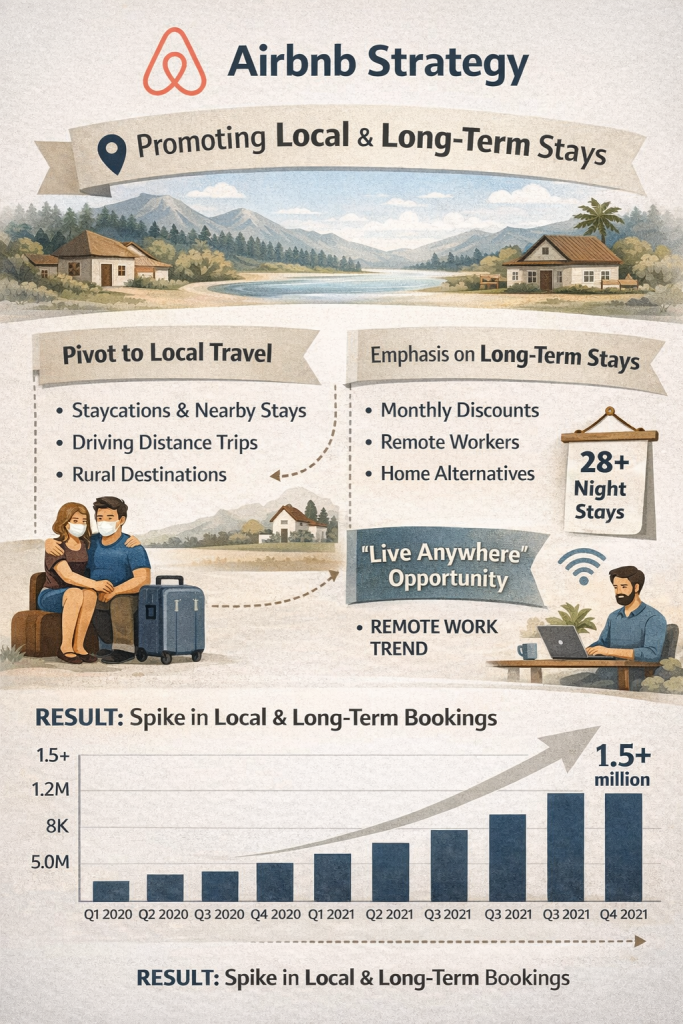
Real-world examples clearly show how businesses must adapt to survive and thrive. During periods of disruption, companies that respond quickly often emerge stronger. Airbnb is a strong example of this. When global travel declined, the company shifted its focus to local and long-term stays, adapting its strategy to changing customer behavior. This kind of pivot requires more than just operational changes—it demands strategic thinking, innovation, and the ability to make decisions under uncertainty. These are precisely the capabilities developed through postgraduate business education.This kind of transformation requires:
  • Strategic thinking
  • Market awareness
  • Innovation under pressure

These are not instinctive skills—they are developed through structured learning.

Why an MBA Still Holds Strong Value

An MBA continues to hold strong value because it equips professionals with a broad understanding of how businesses operate. An MBA develops the ability to think strategically, understand financial implications, and lead teams effectively. In a rapidly changing economy, organizations need individuals who can connect insights across functions and make informed decisions, rather than simply follow established processes. An MBA helps you:

  • Understand how different business functions connect
  • Make informed financial and strategic decisions
  • Lead teams in uncertain environments

In today’s economy, organizations value leaders who can see the bigger picture.
The Rising Importance of Specialised MSc Degrees

At the same time, MSc programmes have become equally important, especially as industries demand deeper specialization. While an MBA provides a holistic business perspective, an MSc allows professionals to build expertise in specific areas such as artificial intelligence or innovation. Companies like Amazon demonstrate how critical this combination is—leveraging advanced technologies while continuously innovating to stay competitive. Professionals with specialized knowledge are increasingly valuable, as they can solve complex problems and contribute to strategic initiatives in meaningful ways. An MSc enables you to:

  • Develop technical and analytical skills
  • Solve complex, real-world problems
  • Build expertise in high-demand fields

This specialization creates a strong competitive advantage.

Flexibility and the Rise of Online Learning

One of the biggest advantages today is the ability to study while working. Institutions like Robert Kennedy College offer flexible online programmes designed for professionals.

This allows you to:

  • Continue earning while studying
  • Learn from anywhere in the world
  • Apply knowledge immediately at work

Education becomes part of your career—not a break from it.

Immediate Application, Real Impact

This immediate application of knowledge is one of the most powerful aspects of studying now. Professionals are not waiting until graduation to benefit from their degrees. Instead, they are using what they learn in real time—whether it is applying strategic frameworks to business challenges, introducing new technologies, or refining processes within their organizations. This creates a direct link between education and career progression, making the learning experience far more meaningful.

In an uncertain economic environment, resilience becomes a key differentiator. Higher education helps build not just knowledge, but also confidence and perspective. It enables individuals to understand global trends, evaluate risks, and make decisions even when outcomes are unclear. These are essential skills in today’s world, where change is constant and often unpredictable.

Choosing the Right Path: MBA or MSc

Choosing between an MBA and an MSc ultimately depends on individual career goals. An MBA is ideal for those looking to move into leadership or management roles, offering a broad and strategic view of business. An MSc, on the other hand, is better suited for those who want to deepen their expertise in a specific field and develop technical or analytical capabilities. Both paths are valuable, and in many ways, they complement each other in preparing professionals for the future.

The global economy is not slowing down—it is transforming. Waiting for the “right time” to invest in education may mean falling behind. The professionals who succeed are those who take proactive steps to adapt and grow during times of change. An MBA or MSc is not just a qualification; it is an investment in the ability to think critically, lead effectively, and innovate continuously.

The global economy is not slowing down—it is transforming. Waiting for the “right time” may mean missing opportunities. The professionals who succeed are those who take action and continue to grow.

An MBA or MSc is more than a qualification—it is an investment in your ability to:

  • Adapt
  • Lead
  • Innovate

Ready to Take the Next Step?

If you are looking to future-proof your career, programmes offered by Robert Kennedy College provide Flexible online learning, internationally recognised UK degrees and Practical, real-world application

Whether your goal is to step into leadership or build specialised expertise, the right programme can help you get there.

Explore your options and start shaping your future today.
Disruption-Proofing Your Business in an Ever-Changing World

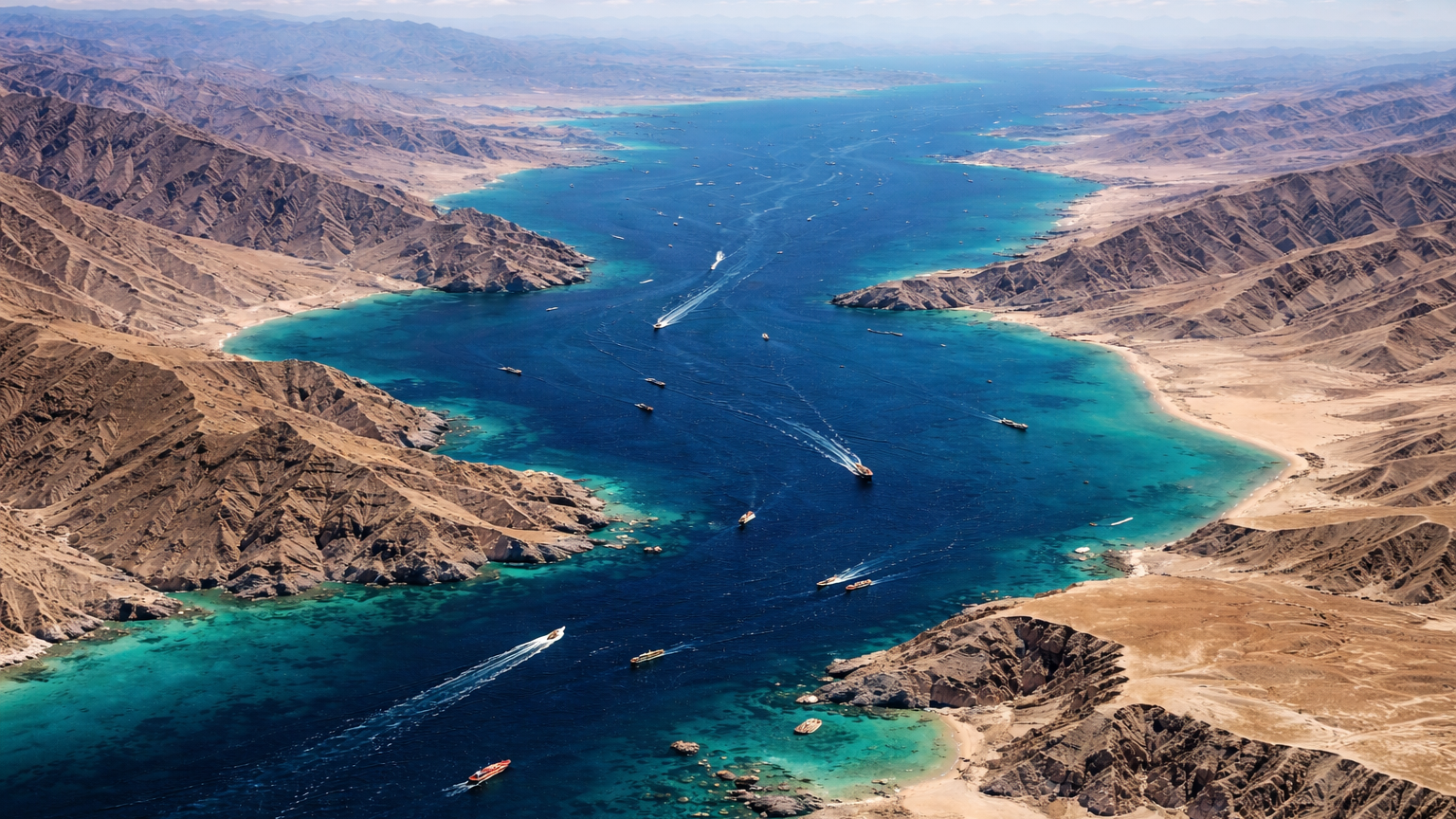
In today’s interconnected global economy, few locations hold as much strategic significance as the Strait of Hormuz. This narrow waterway between Iran and Oman is vital for transporting nearly 20% of the world’s oil and a substantial portion of liquefied natural gas (LNG), making it one of the most crucial chokepoints in international trade.

Recent geopolitical tensions and disruptions in the Strait have revealed how fragile global supply chains can be. For businesses across sectors—from manufacturing and logistics to technology and agriculture—the impacts are profound. However, while the challenges are considerable, they also offer opportunities for organisations to build resilience, innovate, and adapt. Institutions like Robert Kennedy College (RKC) play a crucial role in equipping future leaders with the skills needed to manage such complex global crises.

The Strategic Significance of the Strait of Hormuz

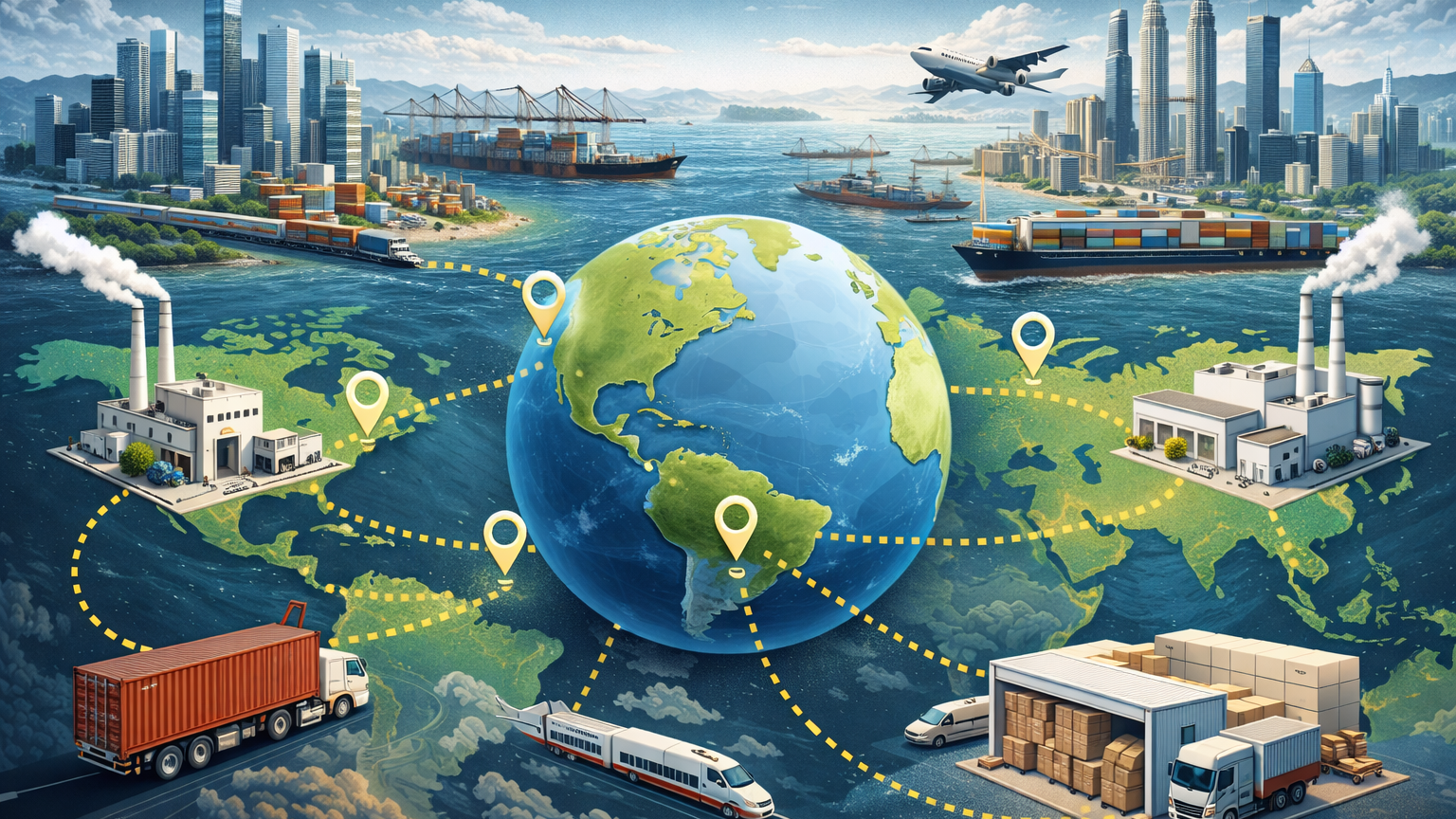
The Strait of Hormuz is more than just a regional shipping route—it is a vital component of the global economy. Every day, millions of barrels of oil and large volumes of gas pass through this narrow passage, supplying energy to leading economies in Asia, Europe, and beyond. Any disruption here is not confined; it has ripple effects throughout the entire global economy.

A prolonged blockage could disrupt trade flows valued at over $1.2 trillion annually, demonstrating the dependency on this single route. Additionally, the Strait is vital for transporting fertilisers and industrial inputs, directly connecting it to global food production and manufacturing systems.

Key Challenges Faced by Businesses

(1) Energy Price Fluctuations

One of the most immediate effects of disruptions in the Strait is a sharp increase in energy prices. With up to one-fifth of global oil supply at risk, even partial disruptions can lead to significant price spikes.

For businesses, this means the following:

  • Rising production costs
  • Elevated transportation expenses
  • Diminished profit margins

Energy-intensive sectors like manufacturing, aviation, and logistics are especially susceptible.

(2) Supply Chain Disruptions

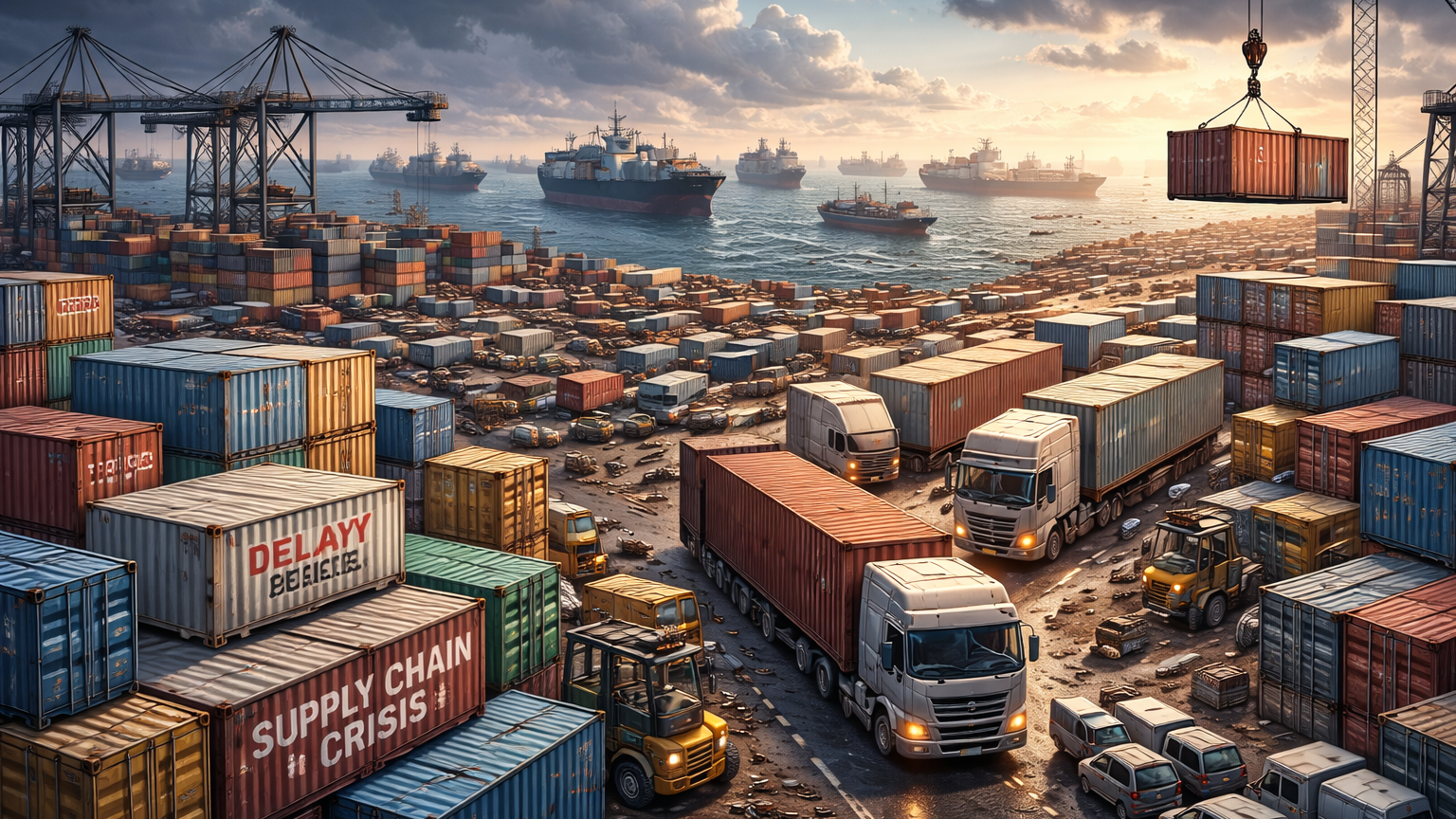
The Strait’s closure or restriction forces shipping companies to reroute vessels, often taking longer and more costly routes. This results in:

  • Delayed deliveries
  • Rising shipping costs
  • Congestion at alternative ports

Global supply chains—already strained in recent years—become even more fragile under such conditions.

(3) Inflationary Pressures

As energy and transportation costs increase, businesses transfer these costs onto consumers. This leads to:

  • Higher prices for goods and services
  • Diminished consumer purchasing power
  • Falling demand in certain sectors

The ripple effect can lead to increased economic instability, with rising cost-of-living pressures globally.

(4) Disruption of Essential Industries

Beyond oil and gas, the Strait plays a crucial role in the movement of:

  • Fertilisers (impacting agriculture)
  • Metals such as aluminium (used in manufacturing)
  • Components for technology and semiconductors

Disruptions in these supply chains can halt production across various industries, including the rapidly expanding AI and technology sectors.

(5) Increased Risk and Uncertainty

Heightened geopolitical tensions escalate risks such as:

  • Shipping insurance expenses
  • Risks to vessel security
  • Regulatory ambiguities

Businesses must function in an environment where predictability is greatly diminished.

How Businesses Can Overcome These Challenges

Although the challenges are considerable, businesses can adopt different strategies to mitigate risks and enhance resilience.

(1) Diversification of Supply Chains

Relying on a single geographical route or supplier is no longer sustainable. Companies should:

  • Source from multiple regions
  • Develop alternative logistics routes
  • Build relationships with diverse suppliers

This decreases reliance on fragile chokepoints such as the Strait of Hormuz. Explore RKC’s MSc programme in Procurement, Logistics and Supply Chain Management, offered in partnership with the University of Salford, UK, and discover how it can enhance your skills in Supply Chain Management.

(2) Investment in Strategic Reserves

Energy-intensive businesses can maintain reserves of vital inputs such as fuel or raw materials. This offers a cushion against short-term disruptions and price fluctuations.

Explore RKC’s MBA programme in Energy and Sustainability, offered in partnership with the University of Cumbria, UK.

(3) Adoption of Digital Supply Chain Technologies

Technologies like AI, data analytics, and blockchain can assist businesses:

  • Predict disruptions
  • Optimise logistics routes
  • Enhance transparency throughout supply chains

Real-time data allows quicker and more well-informed decision-making. RKC offers several online degree programmes in AI, data analytics, and other related fields in collaboration with our university partners.

(4) Nearshoring and localisation

Many companies are relocating production nearer to their main markets. Nearshoring decreases dependence on lengthy, fragile supply chains and enhances their responsiveness to disruptions.

(5) Strategic Planning and Risk Management

Businesses should implement proactive risk management strategies, including:

  • Scenario planning for geopolitical crises
  • Stress-testing supply chains
  • Developing contingency plans

Organisations that foresee disruption are better placed to respond effectively. RKC offers a master’s degree programme in Risk Management and offers several programmes that include modules in Strategic Management. For more information, download our programme catalogue.

(6) Transition to Alternative Energy Sources

Reducing reliance on fossil fuels can help lessen exposure to oil supply disruptions. Investing in renewable energy and energy efficiency not only decreases risk but also supports sustainability objectives. Explore RKC’s MBA programme in Energy and Sustainability, offered in partnership with the University of Cumbria, UK.

The Role of Education in Developing Resilient Business Leaders

Navigating complex global challenges such as the Strait of Hormuz crisis requires more than operational adjustments — it demands strategic thinking, global awareness, and strong leadership.

This is where institutions such as Robert Kennedy College come into play.

Programmes offered by the college aim to equip professionals with:

  • A comprehensive understanding of global business environments
  • Skills in strategic decision-making
  • Proficiency in risk management and leadership
  • Knowledge of digital transformation and innovation

Students learn to analyse real-world challenges and develop practical solutions that can be implemented in their organisations.


The disruption of the Strait of Hormuz acts as a stark reminder of the interconnectedness—and fragility—of the global economy. For businesses, the challenges are considerable: rising costs, disrupted supply chains, and heightened uncertainty.

However, these challenges also offer a chance to rethink strategies, build resilience, and embrace innovation. By diversifying supply chains, investing in technology, and adopting proactive risk management methods, businesses can not only survive such disruptions but also emerge stronger.

At the same time, education plays a vital role in preparing the next generation of business leaders. Institutions like Robert Kennedy College offer the knowledge and skills necessary to navigate an increasingly complex global landscape. If you’re prepared to elevate your career, delve into our list of programmes and embark on your journey today at Robert Kennedy College. You could also chat live with our team of Education Advisers on WhatsApp, who can look at your profile and give you some advice.