A World in Constant Transition
The global economy is evolving at a rapid pace. From inflation and shifting interest rates to the rise of artificial intelligence, professionals today are navigating continuous change. In such an environment, success depends not just on experience, but on the ability to adapt, learn, and make informed decisions. This is why pursuing an MBA or MSc has become more relevant than ever.
The world of work is being reshaped by technology and innovation. Companies like Microsoft and Google are continuously redefining roles by integrating AI and automation into everyday business functions. This does not necessarily mean jobs are disappearing; rather, they are evolving. Professionals are now expected to bring a combination of technical awareness, strategic thinking, and adaptability. Those who invest in continuous learning are far better positioned to stay relevant and grow in this dynamic environment.

Today’s professionals are expected to:
- Adapt to rapidly changing roles
- Understand both business and technology
- Think strategically, not just operationally
Those who invest in learning are better positioned to stay competitive.
Learning from Real-World Business Shifts
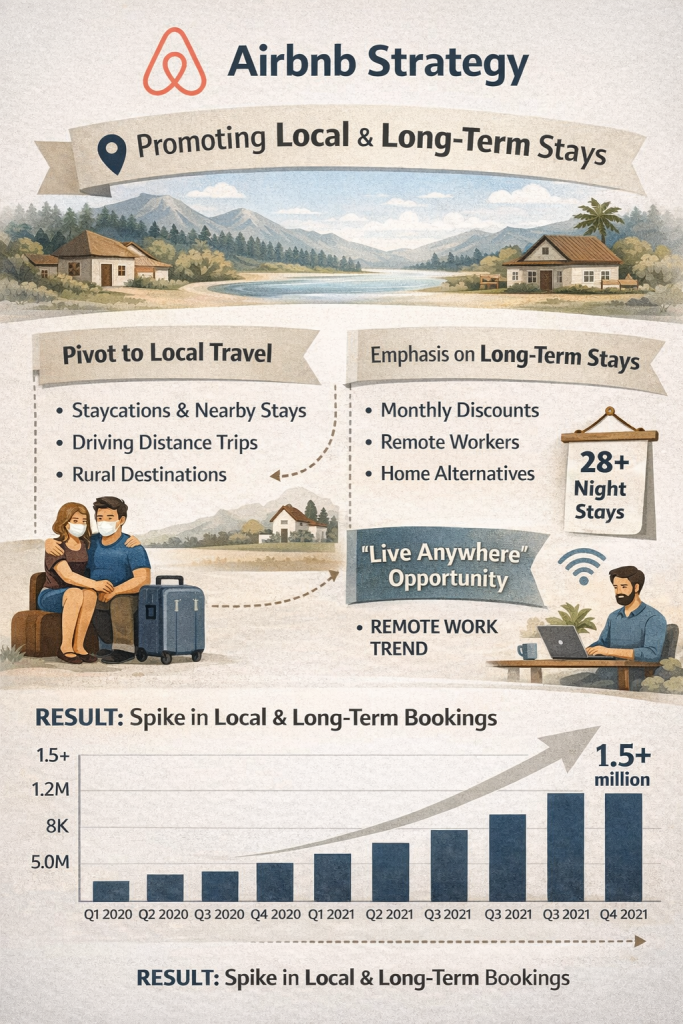
Real-world examples clearly show how businesses must adapt to survive and thrive. During periods of disruption, companies that respond quickly often emerge stronger. Airbnb is a strong example of this. When global travel declined, the company shifted its focus to local and long-term stays, adapting its strategy to changing customer behavior. This kind of pivot requires more than just operational changes—it demands strategic thinking, innovation, and the ability to make decisions under uncertainty. These are precisely the capabilities developed through postgraduate business education.This kind of transformation requires:
- Strategic thinking
- Market awareness
- Innovation under pressure
These are not instinctive skills—they are developed through structured learning.
Why an MBA Still Holds Strong Value
An MBA continues to hold strong value because it equips professionals with a broad understanding of how businesses operate. An MBA develops the ability to think strategically, understand financial implications, and lead teams effectively. In a rapidly changing economy, organizations need individuals who can connect insights across functions and make informed decisions, rather than simply follow established processes. An MBA helps you:
- Understand how different business functions connect
- Make informed financial and strategic decisions
- Lead teams in uncertain environments
In today’s economy, organizations value leaders who can see the bigger picture.

The Rising Importance of Specialised MSc Degrees
At the same time, MSc programmes have become equally important, especially as industries demand deeper specialization. While an MBA provides a holistic business perspective, an MSc allows professionals to build expertise in specific areas such as artificial intelligence or innovation. Companies like Amazon demonstrate how critical this combination is—leveraging advanced technologies while continuously innovating to stay competitive. Professionals with specialized knowledge are increasingly valuable, as they can solve complex problems and contribute to strategic initiatives in meaningful ways. An MSc enables you to:
- Develop technical and analytical skills
- Solve complex, real-world problems
- Build expertise in high-demand fields
This specialization creates a strong competitive advantage.
Flexibility and the Rise of Online Learning
One of the biggest advantages today is the ability to study while working. Institutions like Robert Kennedy College offer flexible online programmes designed for professionals.
This allows you to:
- Continue earning while studying
- Learn from anywhere in the world
- Apply knowledge immediately at work
Education becomes part of your career—not a break from it.

Immediate Application, Real Impact
This immediate application of knowledge is one of the most powerful aspects of studying now. Professionals are not waiting until graduation to benefit from their degrees. Instead, they are using what they learn in real time—whether it is applying strategic frameworks to business challenges, introducing new technologies, or refining processes within their organizations. This creates a direct link between education and career progression, making the learning experience far more meaningful.
In an uncertain economic environment, resilience becomes a key differentiator. Higher education helps build not just knowledge, but also confidence and perspective. It enables individuals to understand global trends, evaluate risks, and make decisions even when outcomes are unclear. These are essential skills in today’s world, where change is constant and often unpredictable.
Choosing the Right Path: MBA or MSc
Choosing between an MBA and an MSc ultimately depends on individual career goals. An MBA is ideal for those looking to move into leadership or management roles, offering a broad and strategic view of business. An MSc, on the other hand, is better suited for those who want to deepen their expertise in a specific field and develop technical or analytical capabilities. Both paths are valuable, and in many ways, they complement each other in preparing professionals for the future.
The global economy is not slowing down—it is transforming. Waiting for the “right time” to invest in education may mean falling behind. The professionals who succeed are those who take proactive steps to adapt and grow during times of change. An MBA or MSc is not just a qualification; it is an investment in the ability to think critically, lead effectively, and innovate continuously.
The global economy is not slowing down—it is transforming. Waiting for the “right time” may mean missing opportunities. The professionals who succeed are those who take action and continue to grow.
An MBA or MSc is more than a qualification—it is an investment in your ability to:
- Adapt
- Lead
- Innovate
Ready to Take the Next Step?
If you are looking to future-proof your career, programmes offered by Robert Kennedy College provide Flexible online learning, internationally recognised UK degrees and Practical, real-world application
Whether your goal is to step into leadership or build specialised expertise, the right programme can help you get there.
Explore your options and start shaping your future today.