Innovation or AI? What Truly Drives Business Success in the Changing World

The rapid rise of artificial intelligence (AI) has sparked a fundamental question for leaders and organizations: What matters more today—innovation or AI?

Insights from leading institutions, along with real-world corporate examples, suggest a clear answer: AI is a tool—but innovation is the mindset that makes it valuable.The most successful businesses today combine both.

The Shift: From Digital to Intelligent Enterprises

Over the past decade, businesses have evolved from basic digital transformation to AI-driven decision-making. AI is now embedded across industries—from finance to retail to healthcare.

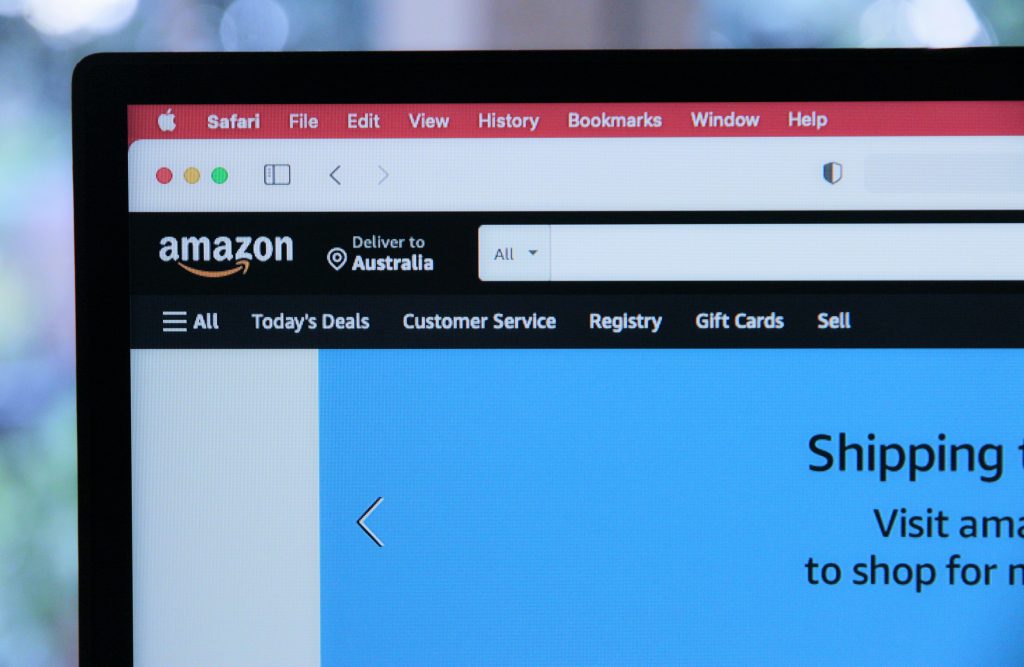
Companies like Amazon use AI to power recommendation engines and optimize logistics, while Netflix leverages it to personalize user experiences and drive engagement. Yet, these successes are not purely about AI—they are about how strategically and creatively AI is applied.
Strategy Before Technology

Technology alone does not create competitive advantage—strategy does. AI enhances decision-making, but leaders define the vision and context in which it is used by providing clear strategic direction, Strong leadership and decision-making and adaptability in a fast-changing environment.

Real-World Insight: AI Alone Is Not Enough

Many organizations have invested heavily in AI but struggled to achieve meaningful outcomes. The reason is often a lack of alignment between technology and business strategy.

For example, IBM’s early AI initiatives demonstrated strong technical capability but faced challenges in widespread business adoption. In contrast, Tesla exemplifies how combining AI with bold innovation can reshape industries—from autonomous driving to continuous product updates. The takeaway is clear: AI enables—but innovation transforms.

Innovation in the Age of AI

Innovation today extends far beyond new products. It includes:

  • Reimagining business models
  • Enhancing customer experiences
  • Improving operational efficiency
  • Creating new value propositions
Photo by Immo Wegmann on Unsplash

AI accelerates these processes, but innovation determines where and how AI is applied.

In other words:

  • AI provides the capability
  • Innovation provides the direction

The New Leadership Imperative

Modern leaders must balance technical understanding with strategic thinking. Business education has evolved accordingly, integrating AI with leadership and management training.

Professionals today are expected to:

  • Make data-driven decisions
  • Lead digital transformation initiatives
  • Understand ethical implications of AI
  • Bridge the gap between technology and business strategy

Photo by Lukas on Unsplash

Connecting Innovation and AI to Real Learning: The RKC Approach

This balance between AI capability and innovative thinking is reflected in the programmes offered by Robert Kennedy College. Designed for working professionals, these programmes combine academic rigor, flexibility, and real-world application, delivered in partnership with accredited UK universities.

MSc in Artificial Intelligence: Turning Data into Strategic Advantage

The MSc in Artificial Intelligence equips students with the skills to understand and apply AI in real business contexts.

Students develop:

  • Knowledge of machine learning and intelligent systems
  • Analytical and problem-solving capabilities
  • Skills to apply AI in decision-making and strategy

The focus goes beyond theory—students learn how to use AI effectively within organizations, aligning with the core idea that AI must be applied strategically to create value.

MSc in Entrepreneurship & Innovation: Driving Change Beyond Technology

The MSc in Entrepreneurship & Innovation focuses on developing the mindset needed to drive transformation and create new opportunities.

Key areas include:

  • Innovation frameworks and business model development
  • Strategic thinking and opportunity recognition
  • Leadership in dynamic and uncertain environments

This programme reinforces that innovation is the driver of competitive advantage, even in a technology-driven world.

Ready to Take the Next Step?

If you are looking to future-proof your career and develop expertise at the intersection of technology and strategy, exploring these programmes could be your next step.

Programmes at Robert Kennedy College offer:

  • Flexible online learning designed for working professionals
  • Internationally recognised UK degrees
  • Practical, real-world application of knowledge

Whether your goal is to lead AI-driven transformation or drive innovation in your organization, the right learning journey can help you get there.

Explore the programmes and start shaping your future today.

Beyond the Bottom Line: The Importance of Diplomatic Awareness in Global Business

Hello Readers, this week we have special guest blog by Robert Kennedy College’s student, Gohar Hovsepyan. Gohar is originally from Armenia and is currently pursuing Executive MBA programme offered in exclusive partnership with University of Cumbria. Gohar takes us to the frontlines of a powerful force transforming the global economy. Buckle up—let’s dive in.

In today’s interconnected world, businesses are no longer isolated entities operating solely within national borders. They are integral parts of a complex global ecosystem, intricately woven into the fabric of international relations, economic stability, and socio-political landscapes. While profit remains a crucial driver, a narrow focus on the “bottom line” is increasingly insufficient for success in this dynamic environment. A new imperative has emerged: diplomatic awareness. Let us delve into the multifaceted relationship between diplomacy and international business economics, exploring how understanding and engaging with the diplomatic landscape is not just an advantage, but a necessity for businesses seeking to thrive in the 21st century.  

The Symbiotic Dance: Diplomacy’s Influence on Global Commerce

Diplomacy, the art and practice of managing international relations, plays a foundational role in shaping the global business environment. Its influence manifests in several key areas:  

  • The Architecture of Trade: Diplomatic negotiations are the cornerstone of international trade agreements. Free Trade Agreements (FTAs), customs unions, and bilateral investment treaties, all outcomes of intricate diplomatic processes, dismantle trade barriers, stimulate economic cooperation, and incentivize foreign direct investment (FDI).
  • Mitigating Risk, Resolving Disputes: Economic disputes, from trade wars to regulatory disagreements, can cripple global supply chains and destabilize entire economies. Effective diplomacy can de-escalate tensions, prevent costly trade wars, and promote a level playing field for businesses.  
  • The Double-Edged Sword of Sanctions: Economic sanctions, frequently deployed as diplomatic tools, represent a complex interplay between politics and economics. While they can be effective in influencing political behavior, they also carry significant economic consequences, impacting industries, supply chains, and energy markets on a global scale.
  • Cultivating a Fertile Ground for Investment: Diplomatic relations exert a direct influence on foreign direct investment. Countries with stable diplomatic ties and a positive international image are more likely to attract investors, who perceive lower risks and a more predictable business environment.
  • Shaping the Rules of the Game: International institutions like the IMF, World Bank, and WTO are central to global economic governance. Diplomats and policymakers collaborate within these institutions to address economic crises, manage debt, and promote sustainable development.

The Power Shift: Business as a Diplomatic Actor

The influence between diplomacy and business is not unidirectional. Businesses, particularly multinational corporations (MNCs), are increasingly recognized as significant actors on the global diplomatic stage. Their influence manifests in several ways:  

  • Corporate Diplomacy and Lobbying: Large corporations actively engage in diplomatic efforts to protect their interests, influence trade policies, and shape regulatory frameworks. Tech giants, for example, work closely with governments to navigate complex issues like data privacy, cybersecurity, and taxation, demonstrating the growing importance of corporate diplomacy.  
  • The Geopolitics of Supply Chains: Global businesses rely on intricate international supply chains, making them vulnerable to geopolitical risks. Diplomacy plays a critical role in ensuring the resilience and smooth functioning of these vital networks.  
  • Sustainability, CSR, and Global Citizenship: Companies are increasingly embracing sustainability and corporate social responsibility (CSR), recognizing their role as global citizens.
  • MNCs as Economic Ambassadors: MNCs, through their operations and investments, act as de facto economic ambassadors, strengthening diplomatic ties between home and host countries.

Navigating the Labyrinth: Challenges and Opportunities

The interplay between diplomacy and business presents both opportunities and challenges:

  • The Resurgence of Protectionism: The rise of nationalist sentiments and protectionist measures poses a significant threat to international trade and global business. Businesses must be prepared to navigate this increasingly complex regulatory landscape.  
  • Geopolitical Instability: Unstable governments, civil unrest, and geopolitical tensions can severely disrupt business operations and deter investment. Businesses need robust risk management strategies and a deep understanding of the political dynamics in their operating environments.  
  • Ethical Dilemmas in a Globalized World: Businesses operating in countries with diverse political and social systems often face ethical dilemmas related to labor rights, corruption, and governance. Navigating these challenges requires a strong commitment to ethical principles and a deep understanding of local contexts.  
  • The Imperative of Inclusive Growth: Global trade policies must address income inequality and ensure that the benefits of globalization are shared more equitably. Businesses have a role to play in promoting inclusive growth and contributing to sustainable development. 

Conclusion: Embracing Diplomatic Awareness for Sustainable Success

In conclusion, the relationship between diplomacy and international business economics is not merely a background condition; it is a dynamic and integral force shaping the global marketplace. Businesses that recognize this interconnectedness and embrace diplomatic awareness are better positioned to navigate the challenges and capitalize on the opportunities of globalization.

My Experience: Currently, I am enrolled in the Executive MBA program at Robert Kennedy College, and I can attest to how engaging and interactive this program is. Distance learning can present its challenges, but the RKC team excels at creating a supportive and enriching learning environment. This program is designed for professionals seeking to enhance their leadership skills and gain a comprehensive understanding of business within a global context.

The curriculum emphasizes critical thinking, strategic decision-making, and the application of advanced business principles. It covers essential topics such as business, finance, and management, equipping students with the tools needed to navigate complex economic landscapes effectively. 

Having earned my MA in International Relations, I am currently pursuing an Executive MBA offered by Robert Kennedy College and the University of Cumbria, which has further inspired me to blend diplomacy with business and economics. This academic journey has deepened my appreciation for the significance of this interplay. In the 21st century, diplomatic awareness is not just an asset; it is an indispensable ingredient for sustainable success in the global arena.

The Executive MBA curriculum combines advanced business principles with a thorough exploration of geopolitical dynamics, preparing students to develop strategic solutions that address contemporary global challenges. Courses emphasize critical thinking and analytical skills, allowing students to appreciate how diplomatic negotiations and economic policies can shape international business landscapes.