Future of Healthcare professionals

HEALTHCARE INDUSTRY – STA·TUS QUO

Demand for healthcare services has unobtrusively risen over a period of time now and this growth will continue into the future. The demand for services translates into ever-increasing demand for healthcare workers – including nurses, physicians, allied health professionals, technologists and coders, leaders, and support personnel. Like any other industry, it’s an upward trend in the long term, for the healthcare sector employment. However, the healthcare industry does not seem to be prepared enough to cater to this increasing workforce demand. Increasing demand has been accompanied by a growing number of unfilled jobs, a serious challenge that can be perceived in the federal labor data and on the digital job boards of hospitals and health systems, where hundreds and even thousands of open jobs are posted. Both growth trends and growth challenges will continue into 2018 and beyond.

WHERE IS THE FUTURE?

The amount of money that is projected to be spent on healthcare in the future, is cogent indicator of rising demand for healthcare services and healthcare workers. More than doubling from 2010 to 2025, when it reaches beyond $55 trillion, expenditures include payments for all healthcare costs, including pharmaceuticals, equipment and technology. However, labor constitutes the single greatest cost for most healthcare organisations.

This growing trend, has translated into a flurry of jobs openings in the healthcare sector. Even in 2017, despite the continued debate over the future of healthcare policy, the healthcare industry has added an average of 24,000 jobs each month. That’s vigorous growth in any industry. Employment growth is expected to continue for the foreseeable future. While healthcare job growth will ebb and flow in the future, the trajectory of growth has been consistently upward.

HOW CAN YOU FIT IN THE DEMAND SUPPLY GAP?

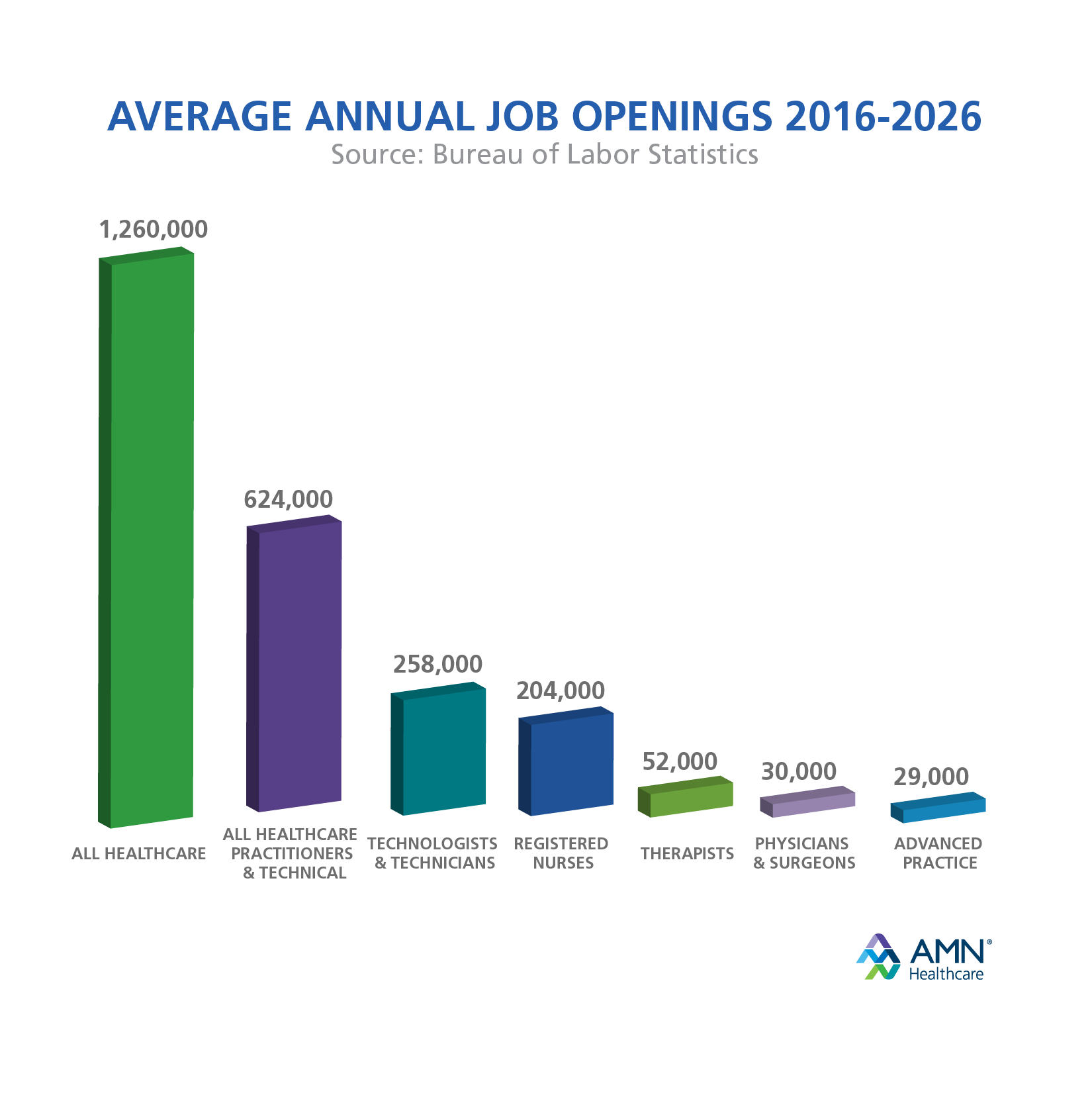
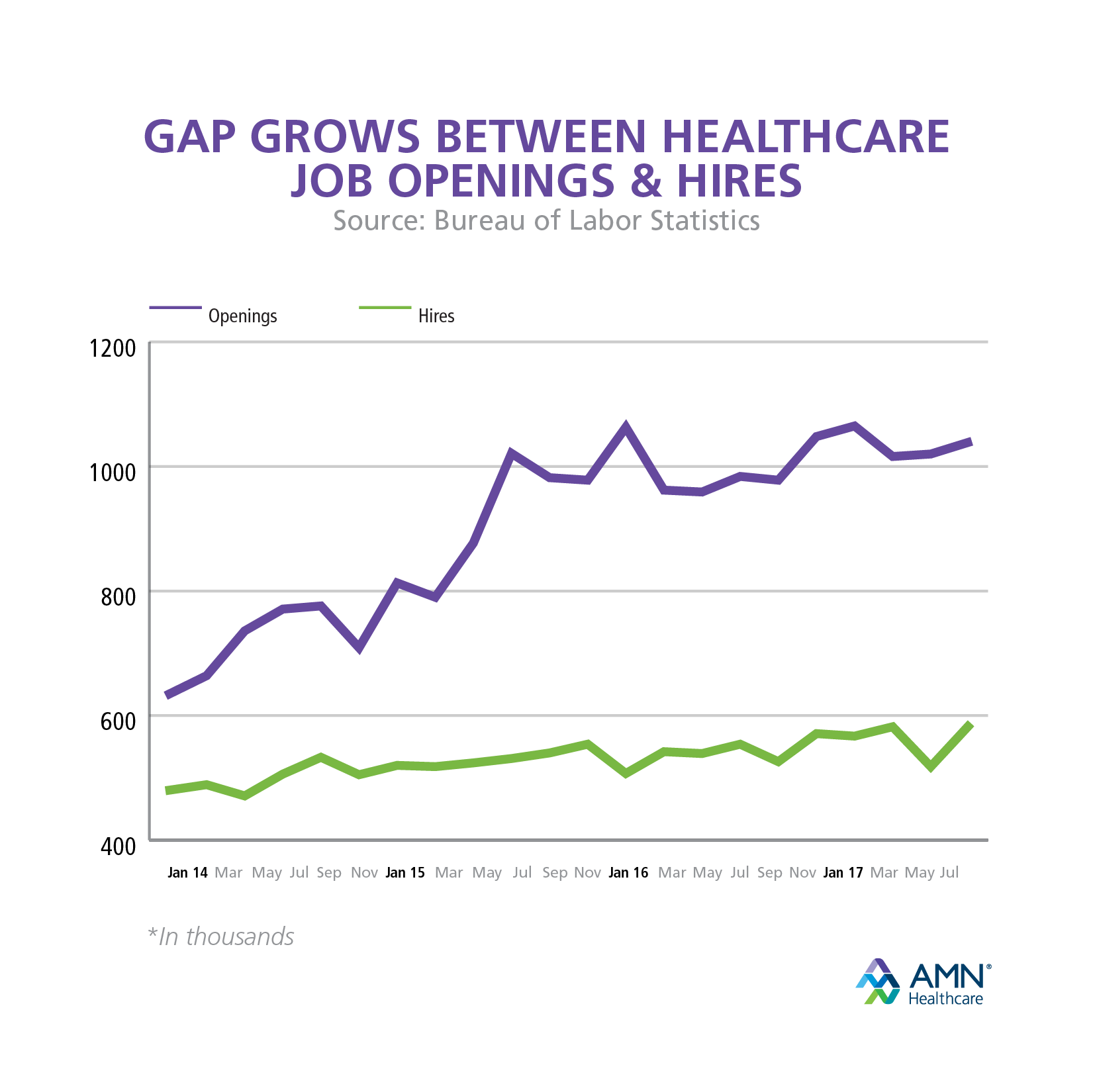
While job openings have ascended steadily over the years, the job hires remained relatively static. Traditionally openings have outpaced job hires in healthcare and the gap between openings and hires has been widening rapidly since 2014. This swelling gap – which represents a cumulative number of unfilled jobs – shows the challenges that healthcare providers face in finding enough practitioners and support personnel to fill today’s job openings. Other data reveals that the problem of high demand for healthcare workers, and low supply of those workers, may continue well into the future. The statistics on the projected future job openings  provides the healthcare providers the crucial insight on the demand for healthcare services and healthcare professionals. These are the jobs that healthcare providers will need to fill in the future.

At Robert Kennedy College, we offer Online MBA International Healthcare Management Programme, in exclusive partnership with University of Cumbria, UK. Recognise the workforce shortage in the healthcare sector and be there where there are abundant jobs. The MBA IHM could prove be the key to your success and better future. Click here to receive the course catalogue and get a chance for free trial offers.

Robert Kennedy College Students attend Residential Week in Cumbria

Robert Kennedy College in an exclusive partnership with the University of Cumbria, held the residency programme for our online MBA students. Held at the University of Cumbria’s picturesque Ambleside Campus, the residential week covered the module “Tackling Global-Local Challenges in Ethics, Responsibility and Sustainability.”

The residential week gave the students an opportunity to complement their online learning with a conventional classroom experience. And the diverse group of students coming together from different countries, cultures and backgrounds and professional experiences, made the week all the more enriching. The residency was attended by more than 25 international students from countries like Canada, United Arab Emirates, Nigeria and South Africa, to name just a few, for a face-to-face opportunity to enhance their learning experience.

The students participated in various activities and classroom sessions in this action-packed week as well as learning about research methodology for their dissertation. The unique experience left them feeling invigorated and inspired to put the techniques learned during the week into practice. And more importantly, the week gave them an opportunity to connect with their classmates, to forge new friendships and establish relationships with faculty and directors.

“The residential week is an integral part of the course. It’s the only chance the students get to meet one another face to face as opposed to engaging with each other online. The week is really varied. We have a number of education sessions from different guest speakers and faculty throughout the programme. We also have a number of experiential activities and we spend a day enjoying the landscape.” said Emma Watton, Senior Teaching Fellow, (Lancaster University), MBA Leadership and Sustainability Programme graduate.

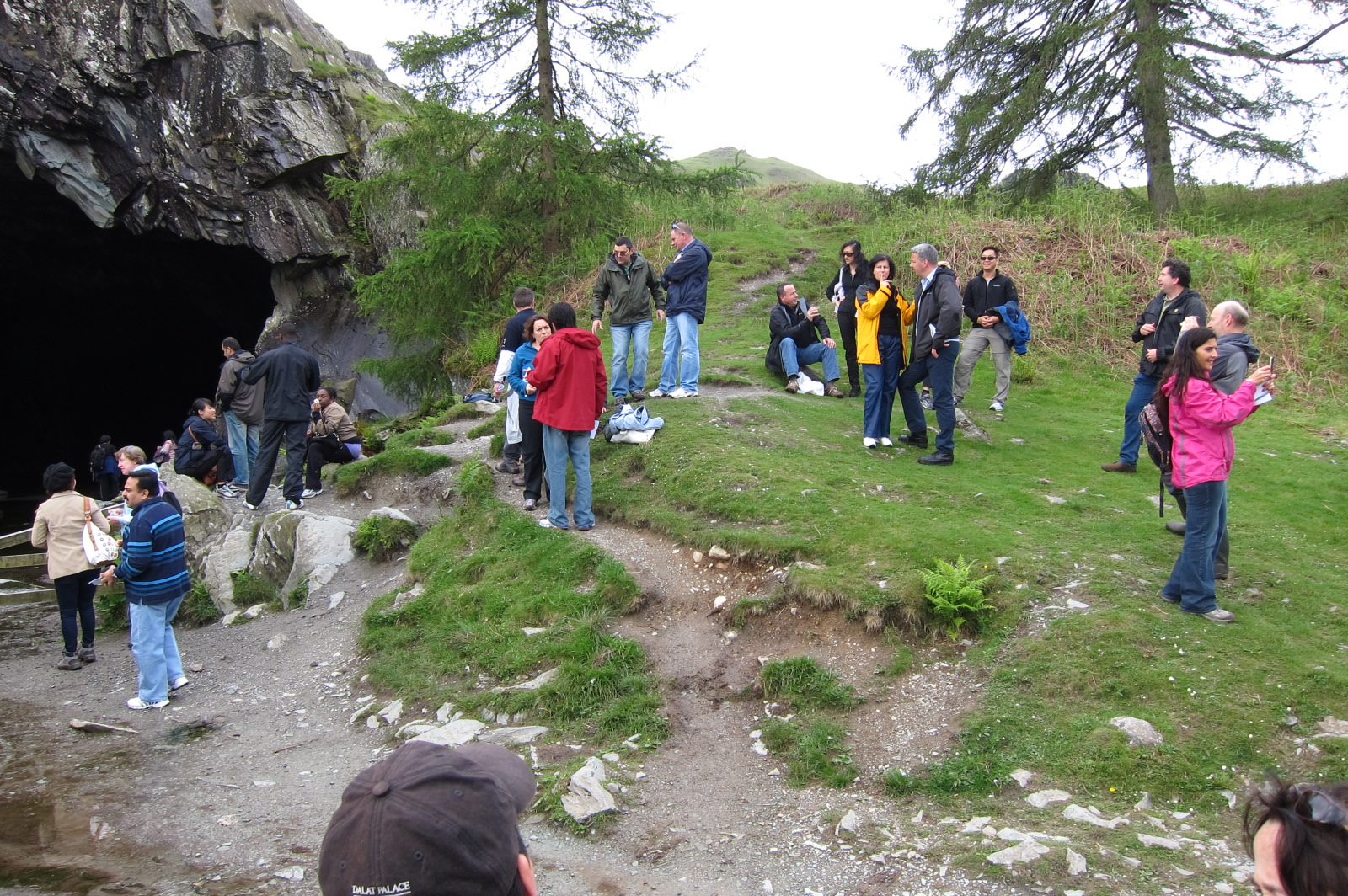
Students also had the opportunity to explore the idyllic settings of the Cumbria campus and participate in various outdoor team-building activities.

Professor Jem Bendell, Director of the Institute for Leadership and Sustainability, commented, “The residency brings professionals together from around the world. We went with the students on a trail walk that William Wordsworth took and heard about his poem where he talks of letting nature be our teacher. This is something quite unique, a heritage we can explore and find ways of building that into our teaching practice”.

With students from every continent, it was a truly international experience and an opportunity to network with colleagues from all over the world. This unique learning experience left every student with lifetime memories.