An ageing population is changing the demands placed on healthcare systems around the world. People are living longer, but longer life expectancy also brings increased demand for chronic disease management, long-term care, rehabilitation and ongoing medical support.
According to the World Health Organization, the global population aged 60 and above is expected to reach 2.1 billion by 2050, up from 1.4 billion in 2020. This demographic shift is creating pressure on healthcare budgets, medical professionals, infrastructure and service delivery. The challenge is no longer simply how to provide more healthcare. It is how to manage growing demand while maintaining quality, accessibility and financial sustainability.
For business leaders, this presents an important management question: how can organizations redesign their operations to meet changing needs without exhausting their resources?


The Shift From Hospital Care to Integrated Healthcare
For decades, healthcare systems have relied heavily on hospitals as the primary point of treatment. However, an ageing population requires a more continuous approach to care. Older patients may need support across several services, from routine medical consultations and medication management to rehabilitation and assistance at home. When these services operate independently, patients can experience fragmented care, duplicated assessments and avoidable hospital visits.
This is encouraging a shift towards integrated healthcare models that connect hospitals, primary care providers, community services and home-based support. The management implications are significant. Healthcare leaders must coordinate different teams, share information effectively, allocate resources across multiple settings and measure success through patient outcomes rather than the volume of services delivered.
The Workforce Challenge: Managing People and Capacity
Healthcare demand is increasing, but expanding the workforce is not a simple solution. Recruitment difficulties, employee burnout, rising costs and uneven distribution of medical professionals make workforce planning increasingly complex.
Organisations need to consider how technology can support healthcare professionals, how administrative processes can be simplified and how employees can be retained through better working environments. This is fundamentally a leadership challenge. Managers must balance productivity with employee well-being while ensuring that efficiency improvements do not compromise patient safety or the quality of care.


How Technology and AI Are Reshaping Healthcare
Digital transformation is creating opportunities to make healthcare more connected and responsive.
Artificial intelligence can help analyse medical information, support diagnostic processes and identify patterns that may otherwise be difficult to detect. Remote monitoring can help healthcare teams follow patients’ conditions outside hospital settings, while digital platforms can improve communication between providers. However, technology is not a solution in isolation. Healthcare organisations must address data privacy, cybersecurity, ethical use of AI, staff training and the integration of new systems with existing infrastructure.
The real management challenge is deciding where technology can make a measurable difference and ensuring that it supports, rather than replaces, professional judgement.
Case Study: Oak Street Health – Making Primary Care Work for Older Adults
A useful example of a different approach to healthcare delivery is Oak Street Health, which became part of CVS Health following its acquisition in 2023.
Oak Street Health focuses on primary care for older adults, particularly people with complex healthcare needs and those living in medically underserved communities. Its model places emphasis on accessible primary care, coordinated support and proactive management rather than waiting until patients require hospital treatment.


The approach is built around understanding patients’ wider needs and maintaining ongoing relationships with care teams. This is particularly important for older adults who may be managing several chronic conditions or facing barriers to accessing medical services. The reported outcomes are noteworthy. In a May 2025 company white paper, Oak Street Health reported hospital admission rates of 171 per 1,000 patients, compared with a Medicare benchmark of 303 – a 44% lower rate.
These are company-reported figures, not an independent evaluation of the model, but they illustrate the potential of proactive and coordinated primary care.
The management lesson: Healthcare organisations can create value by investing in prevention, continuity of care and early intervention. The focus shifts from treating individual episodes of illness to managing the patient’s longer-term health journey. This also demonstrates why operational coordination and appropriate performance measurement matter as much as clinical expertise.
Case Study: Philips – Connecting Healthcare From Hospital to Home
Technology companies are also influencing how healthcare systems respond to ageing populations.
Philips provides an example through its Connected Care business, which supports healthcare providers across hospitals, outpatient settings and home environments. Its solutions include patient monitoring, clinical informatics, remote cardiac monitoring and digital health technologies. These services help healthcare professionals access patient information, monitor conditions and coordinate care across different settings.
Philips’ 2025 Annual Report describes how its connected care platform combines patient data, monitoring devices, clinical insights and AI-enabled tools. Its remote cardiac monitoring services, for example, help connect hospital-based treatment with monitoring after a patient returns home.

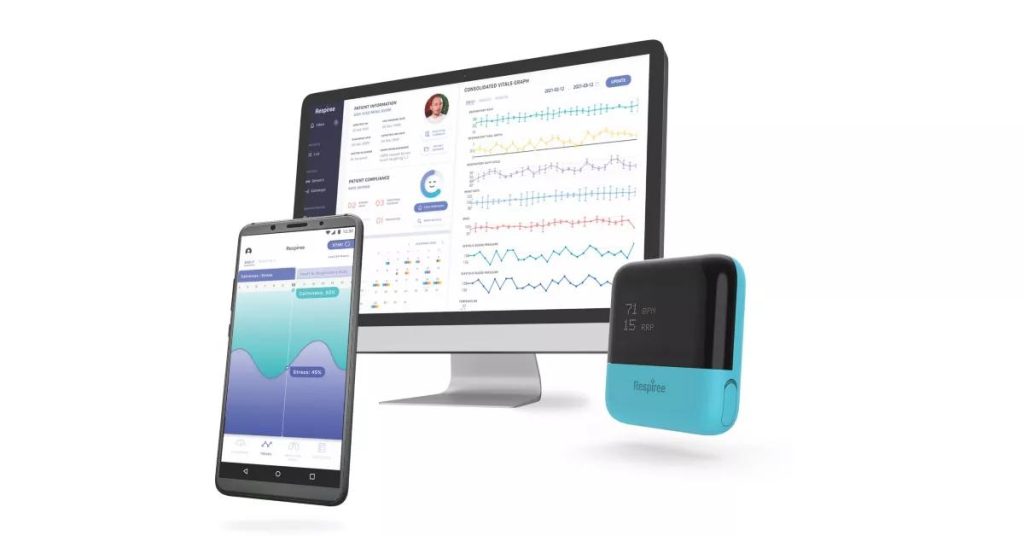
This reflects a broader change in healthcare delivery: care does not necessarily end when a patient leaves the hospital. For an ageing population, this can be particularly relevant. Remote monitoring and connected services may help healthcare teams maintain visibility of patients’ conditions while supporting care outside traditional hospital environments.
The management lesson: Digital transformation should be guided by operational needs and measurable value. Investing in technology is not enough; organisations must ensure that systems work together, employees are trained and information can be used effectively to improve decisions and patient care.
Healthcare Financing: Balancing Quality With Sustainability
As healthcare needs increase, governments, insurers and healthcare providers face difficult financial decisions.
Ageing populations can increase demand for long-term care, specialist treatment and ongoing support. At the same time, healthcare organisations must manage rising operating costs, infrastructure requirements and workforce expenditure. This makes resource allocation a central leadership responsibility.
Managers must evaluate which services deliver the greatest value, where investment is most urgently needed and how preventive care can reduce avoidable demand on more expensive services. The challenge is to avoid treating cost reduction as the only measure of efficiency. Sustainable healthcare requires financial discipline, but it must also protect access, patient outcomes and service quality.
What Business Leaders Can Learn
The transformation of healthcare offers lessons that extend beyond the medical sector. Organisations in many industries are facing changing customer needs, rising costs, workforce pressures and rapid technological developments. Healthcare brings these challenges together in a particularly visible way.
Three lessons stand out:
- Think beyond traditional operating models: Organisations must adapt their services to changing demographic and customer needs.
- Use technology with purpose: Digital investment should solve clearly identified problems and improve decision-making, efficiency or service quality.
- Measure long-term value: Short-term cost savings are not enough. Sustainable performance depends on outcomes, employee capability and effective resource management.
These lessons are relevant not only to healthcare executives but also to managers working in technology, finance, public administration and service industries.

Preparing Leaders for the Future of Healthcare
An ageing world is creating a new set of challenges for healthcare organisations. Meeting them will require leaders who understand management strategy, financial sustainability, workforce planning, public health and technological change.
The MBA in Public Health Management, offered by Robert Kennedy College in partnership with the University of Cumbria, provides an opportunity to develop management knowledge relevant to the changing public health environment.
Meanwhile, the MSc Artificial Intelligence, offered in partnership with the University of Salford, explores the technologies and applications shaping the future of AI.
Healthcare may be one of the clearest examples of how demographic change, technology and management are converging. The organisations that respond successfully will be those that look beyond traditional ways of working and build systems capable of delivering value over the long term.