
In recent years, businesses around the world have faced record-breaking heatwaves, floods, wildfires and growing supply chain disruptions linked to climate change. What was once considered an environmental issue has become a boardroom priority.
For decades, climate change was viewed primarily as an environmental issue—one for scientists, policymakers and activists to solve. Today, that perception has fundamentally changed. Extreme weather events are disrupting global supply chains. Rising insurance premiums are affecting business costs. Investors are asking tougher questions about climate risk. Governments are introducing new reporting requirements, and customers increasingly expect companies to demonstrate genuine environmental responsibility.

Climate change is no longer a discussion confined to sustainability departments. It has become a boardroom issue. The question facing today’s business leaders is no longer whether climate change will affect their organisation—it is how prepared they are to respond.
From Environmental Concern to Business Risk
Climate-related events are becoming more frequent and more costly. A manufacturing facility forced to shut down because of flooding, agricultural businesses facing declining crop yields due to prolonged droughts, airlines navigating more frequent extreme weather disruptions, or retailers struggling with supply shortages caused by climate-related disasters across the globe—these are no longer hypothetical scenarios. The World Economic Forum has consistently ranked environmental risks among the most significant long-term global threats, while financial regulators increasingly recognize climate risk as financial risk.
Businesses today face two distinct categories of climate-related risk:
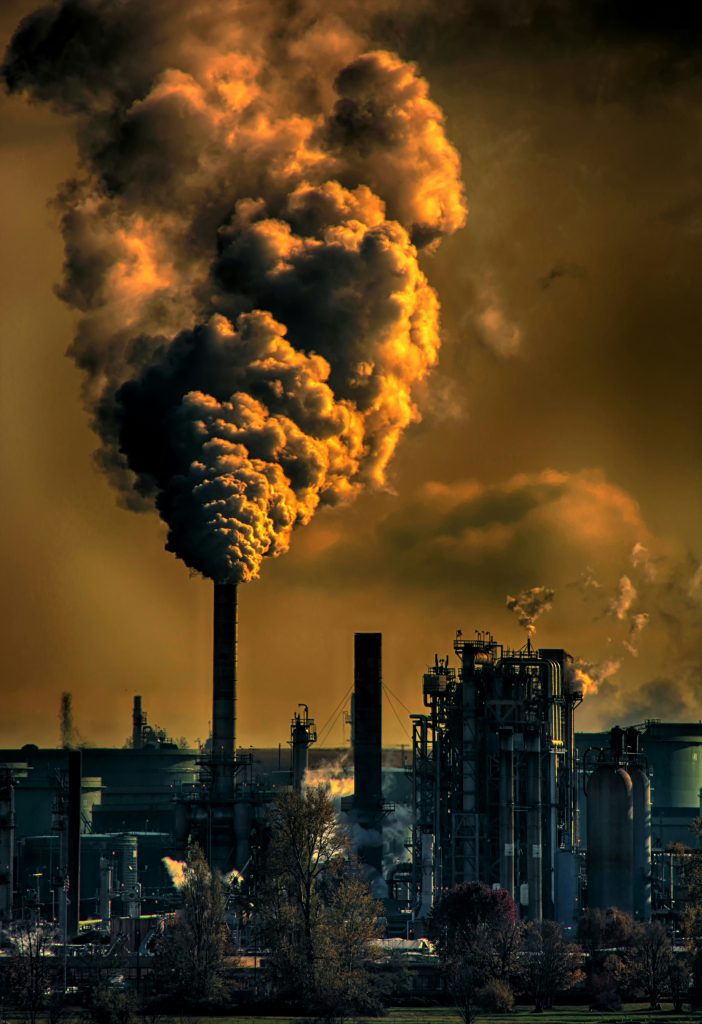
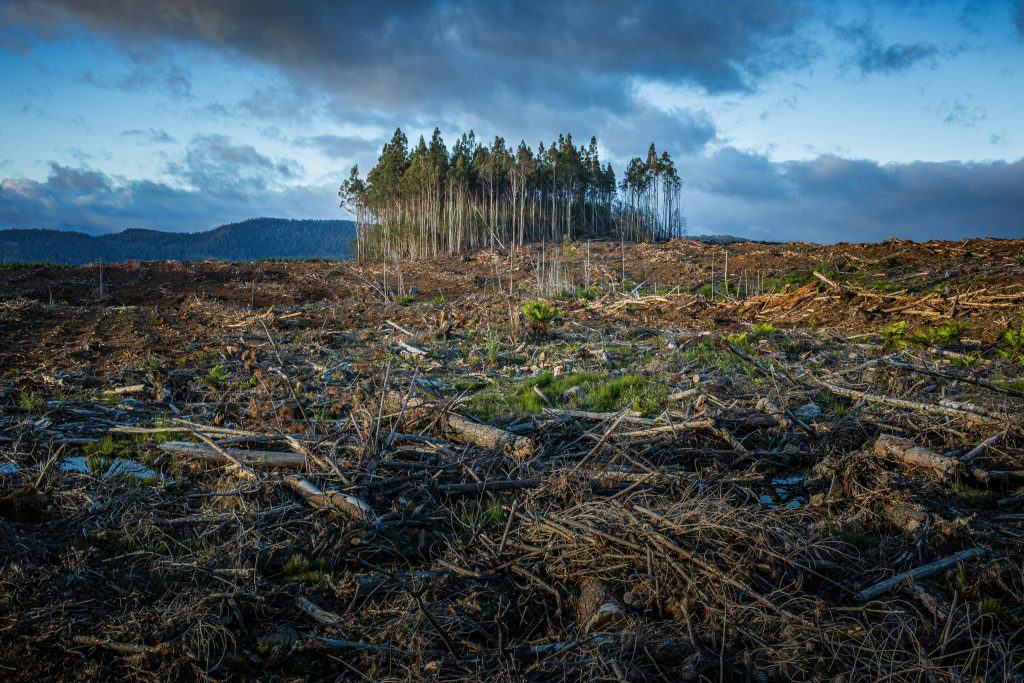
Physical risks include floods, Wildfires, heatwaves, Water shortages, and damage to infrasturcure.

Transition risks arise as economies shift towards lower-carbon models through New regulations, Carbon pricing, technological disruptions, investor expectations, and changing consumer behaviour.


Both categories directly influence profitability, operational resilience and long-term competitiveness.
Climate Risk Is Now a Strategic Risk
Perhaps the biggest shift over the last five years is where climate conversations are happening. They’re no longer limited to environmental managers.
According to research by The Conference Board, board members increasingly identify sustainability and climate issues among the most significant external risks affecting long-term business performance. This reflects a growing consensus that climate considerations now influence strategic planning, investment decisions and corporate governance. Research from INSEAD suggests that while many board directors recognise climate change as strategically important, organisations often struggle to translate awareness into measurable action.
The message is clear: recognizing climate risk is only the first step. Building organizational capability to respond is the real challenge.

Investors Are Paying Attention
Climate reporting has evolved from a voluntary public relations exercise into an important component of investment analysis.
Institutional investors increasingly evaluate companies on their exposure to climate-related risks, governance practices and long-term resilience.
CDP now collects environmental data from thousands of companies, cities and regions worldwide, representing a substantial share of global market capitalisation. What began as a niche sustainability initiative has become mainstream business practice, demonstrating that environmental transparency is now an expectation rather than an exception.
Sustainability Is Becoming a Competitive Advantage
Forward-thinking organisations are discovering that sustainability is not simply about compliance—it can create competitive value. Consider companies investing in renewable energy. Initially, these investments were often justified on environmental grounds. Today, they also reduce long-term exposure to volatile energy prices.
Similarly, businesses redesigning supply chains to improve resilience against climate disruptions often discover additional benefits:
- Lower operating costs
- Greater efficiency
- Stronger supplier relationships
- Enhanced brand reputation
- Increased customer loyalty
Many global organisations—including Microsoft, Unilever and IKEA—have integrated sustainability into their long-term business strategies not solely because it aligns with corporate values, but because it strengthens resilience and supports innovation.
Patagonia: Purpose as a Business Strategy
Outdoor apparel company Patagonia has become one of the world’s most recognised examples of sustainability-led leadership. Rather than treating environmental responsibility as a marketing initiative, Patagonia has embedded it into every aspect of its business—from using recycled materials and promoting product repair to encouraging customers to buy only what they truly need.
In 2022, founder Yvon Chouinard transferred ownership of the company to a trust and non-profit organisation dedicated to ensuring that future profits would help combat climate change and protect undeveloped land. The move attracted global attention, but more importantly, it demonstrated that purpose and profitability do not have to be mutually exclusive.
Patagonia’s approach has strengthened customer loyalty, enhanced brand reputation and differentiated the company in a highly competitive retail market. It illustrates how sustainability can become a strategic advantage rather than a compliance obligation.
Maersk: Investing Ahead of the Curve
The global shipping industry is responsible for nearly 3% of global greenhouse gas emissions, placing enormous pressure on logistics companies to decarbonise.
Recognising that climate action would reshape global trade, A.P. Moller–Maersk committed to achieving net-zero greenhouse gas emissions by 2040 and has invested heavily in vessels capable of operating on lower-emission fuels such as green methanol.
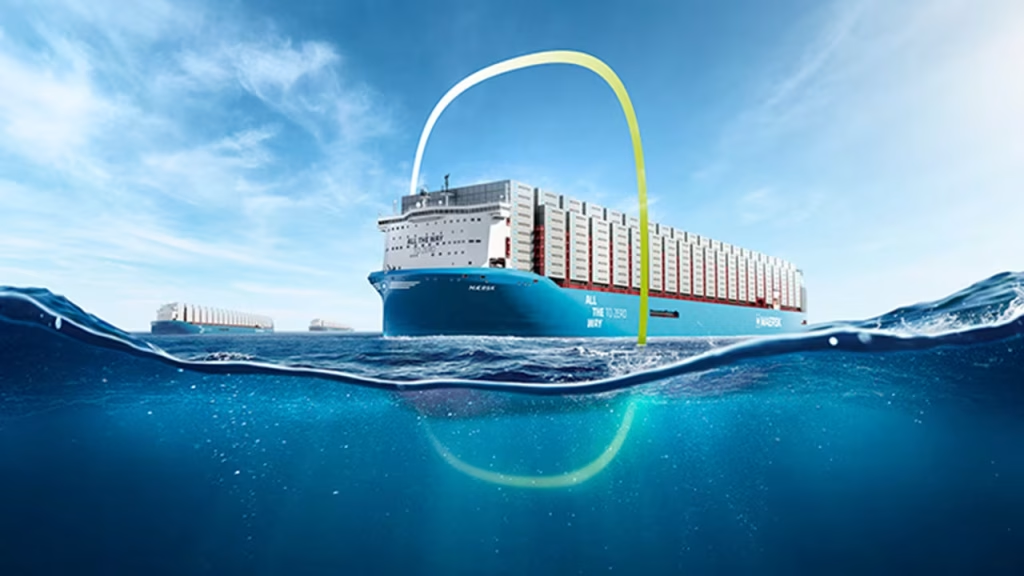
These investments require significant capital and involve short-term uncertainty. Yet Maersk views sustainability as a long-term business strategy that positions the company for evolving customer expectations, regulatory requirements and investor demands. Rather than waiting for change to be imposed, the company is actively shaping the future of sustainable shipping.
The lesson extends beyond the logistics sector: organisations that anticipate change are often better positioned to manage risk and seize emerging opportunities than those that simply react.
As management thinker Peter Drucker famously observed:
“The greatest danger in times of turbulence is not the turbulence—it is to act with yesterday’s logic.”
Climate change is creating precisely this kind of strategic turbulence. The organisations that succeed will be those willing to rethink strategy, innovate and lead with a long-term perspective.
The conversation has shifted from “How much does sustainability cost?” to “What is the cost of ignoring sustainability?”
Leadership Is the Missing Piece
Technology and regulation are essential enablers, but lasting climate adaptation ultimately depends on effective leadership and organisational decision-making.
- Balancing profitability with long-term resilience
- Managing stakeholder expectations
- Leading organisational change
- Making investment decisions under uncertainty
- Encouraging innovation while managing risk
These are leadership challenges—not purely environmental ones.
Former Unilever CEO Paul Polman, a leading advocate for sustainable business, captured this shift when he said:
“Businesses cannot succeed in societies that fail.”
His words reflect a growing recognition that long-term business success is inseparable from the health of the communities, economies and environments in which organisations operate.
As Reuters recently noted, sustainability increasingly needs to become a filter through which strategic business decisions are made rather than a standalone compliance function. More jurisdictions are also expecting boards to demonstrate climate competence as part of effective corporate governance.
Industry commentators increasingly argue that sustainability should become a lens through which strategic business decisions are made rather than being treated solely as a compliance function. More jurisdictions are also expecting boards to demonstrate climate competence as part of effective corporate governance.
Five Questions Every Leader Should Ask
- Could our supply chain withstand a major climate event?
- Are climate risks reflected in our long-term strategy?
- What regulations are likely to affect our business in the next five years?
- Are our customers’ expectations changing?
- Does our leadership team have the skills to lead through the energy transition?
Preparing for a Sustainable Future


Climate change is reshaping how businesses operate, compete and grow. It is influencing investment decisions, customer expectations, regulatory environments and corporate governance.
For professionals aspiring to leadership roles, understanding sustainability is no longer a specialist skill—it is becoming a core management competency.
Programmes such as the MBA in Leadership and Sustainability offered through Robert Kennedy College are designed to equip professionals with the strategic mindset needed to lead organisations through this evolving landscape. By combining leadership theory, sustainable business practices and real-world strategic decision-making, the programme prepares graduates to address complex challenges where commercial success and environmental responsibility increasingly go hand in hand.
The next generation of business leaders won’t be defined solely by the profits they generate, but by the resilience they build, the value they create for society, and the legacy they leave behind. In today’s world, sustainability is no longer a separate agenda.
It has become central to long-term business strategy, organisational resilience and responsible leadership.