
Businesses have never had more tools designed to make work faster.
AI can draft reports, software can automate routine tasks, and analytics can process information at a scale that was impossible only a few years ago. Yet productivity remains a challenge. According to the OECD, labour productivity across OECD economies grew by 1.2% in 2024, an improvement on the previous year. But the longer-term picture is less encouraging: productivity growth has slowed substantially compared with the early 2000s.
So if businesses have better technology than ever, why isn’t productivity rising faster? Perhaps the problem isn’t that people aren’t working hard enough. Perhaps we haven’t always designed work well enough.
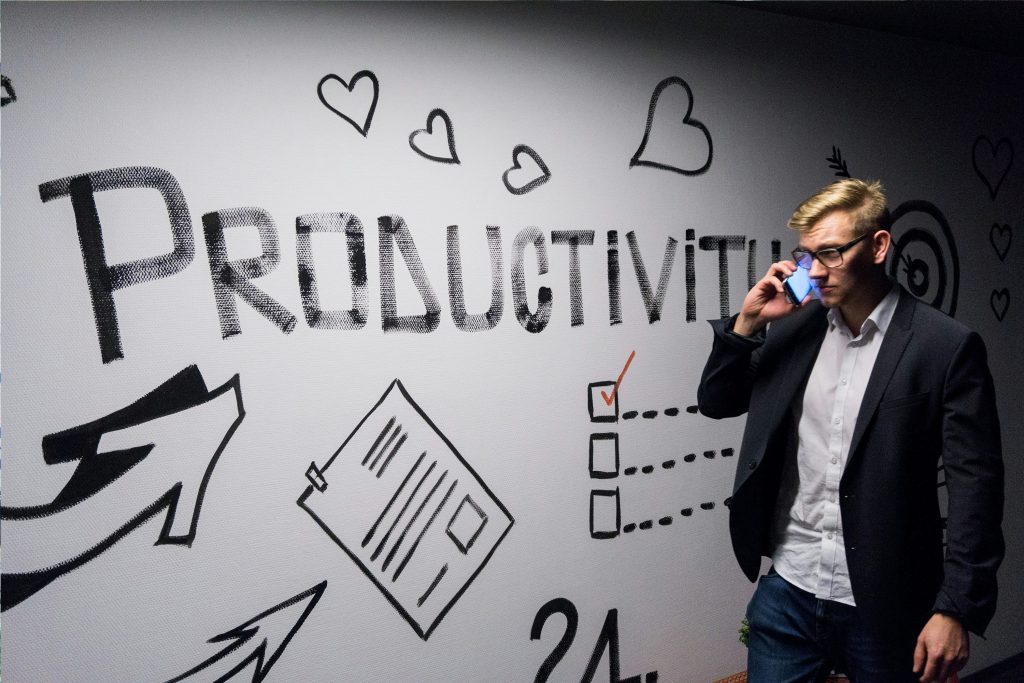
Technology Doesn’t Automatically Create Productivity
It is easy to assume that new technology will automatically make an organisation more efficient. But buying a new tool and changing the way an organisation works are two different things. A company might introduce AI, automation or sophisticated analytics while keeping the same processes, approval structures and meetings it had before.
The result?
A more digital organisation—but not necessarily a more productive one. Research into generative AI illustrates the potential and the challenge. An OECD review of experimental studies found productivity improvements of roughly 5% to more than 25% in tasks such as customer support, software development and consulting, depending on the task and how AI was used. The lesson isn’t that every business should simply adopt AI. It is that technology creates the greatest value when organisations rethink how work is done around it. If AI can produce a report in minutes but employees still spend hours checking, formatting and approving it, the organisation has acquired a faster tool without necessarily changing the underlying process. The bigger question for leaders is:
If technology changes what people can do, should it also change how the organisation works?
The Hidden Cost of Being Busy
Productivity can also be undermined by something that looks like work: constant activity. Meetings. Emails. Messages. Status updates. Approvals. Notifications. All of these have a legitimate purpose. But collectively, they can consume the time people need for focused work and decision-making. Microsoft’s 2025 Work Trend Index found that employees were interrupted by a meeting, email or chat approximately 275 times a day, or once every two minutes during core working hours. The figure comes from Microsoft’s own workplace data, so it should not be treated as a universal productivity measure. But it illustrates a familiar problem:
Being constantly connected does not necessarily mean being productive. An employee can spend an entire day responding to work without making meaningful progress on the work itself. This creates what could be called a coordination tax—time spent organising, communicating and checking work rather than creating value.

The leadership question therefore shouldn’t simply be: “How can our people work faster?” It should be: “What is getting in the way of valuable work?”
What Toyota Can Teach Today’s Businesses
One of the world’s best-known productivity systems was not built around artificial intelligence. It was built around a much simpler principle: eliminate waste and continuously improve the way work is done. The Toyota Production System focuses on eliminating waste and finding more efficient ways of working. Its philosophy of kaizen, or continuous improvement, encourages people throughout the organisation to identify problems and improve processes. The lesson extends well beyond manufacturing.
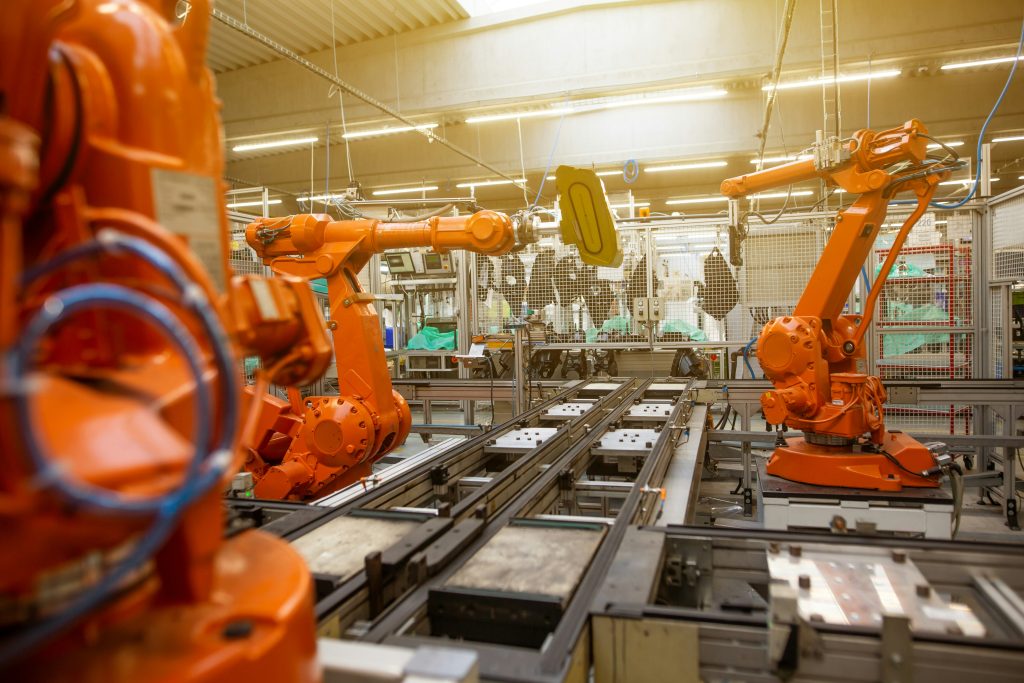
Imagine two companies introducing the same automation technology. The first automates an existing process.
The second asks: Why does this process exist? Which steps actually create value? Where are delays occurring? Which approvals are unnecessary? What could be removed altogether? What should employees do differently once the technology is introduced?The second organisation is more likely to create lasting productivity gains.
Toyota’s lesson is not “work faster.” It is “remove the waste from the system.” That principle is increasingly relevant to knowledge work.
The Real Productivity Challenge
For modern organisations, productivity sits at the intersection of people, processes, technology and leadership. The most productive organisations will not necessarily be those that adopt the most technology. They will be those that know how to integrate technology into a better way of working. That means leaders need to look beyond individual tools and examine the system around them.
1. Measure outcomes, not activity – A full calendar is not evidence of productivity. Neither is a crowded inbox. Leaders should focus on the outcomes that actually create value.
2. Redesign before automating – Before automating a process, ask whether the process is necessary in the first place. Technology should remove friction, not institutionalise it.
3. Protect focused work – Collaboration matters, but organisations also need time for thinking, analysis, creativity and problem-solving. Reducing unnecessary interruptions can be a productivity strategy in itself.
4. Build capabilities around technology – Technology creates value when people know how to use it effectively—and when managers understand how roles and processes should evolve.
5. Make productivity a leadership issue – Productivity is not solely an HR problem, an IT problem or an operations problem. It is a strategic question: How effectively does our organisation turn its people, technology and resources into value?

The productivity challenge facing businesses is not simply about getting employees to do more. It is about creating organisations where people, technology, processes and strategy work together more effectively.
As AI and automation become increasingly accessible, leaders need to understand more than the technology itself. They need to be able to assess its strategic value, redesign processes, make informed decisions, develop people and lead organisational change.
For professionals looking to strengthen this broader perspective, an MBA can provide a framework for understanding how strategy, leadership, finance, operations and technology come together in real organisations. At RKC, our MBA programmes are designed to help professionals develop that wider business perspective—connecting management knowledge with the practical challenges organisations face in a changing business environment. Because the future of productivity is unlikely to be about simply asking people to work harder.
It will be about developing leaders who know how to make organisations work better.
Explore RKC’s MBA programmes to develop the strategic and leadership capabilities needed to navigate today’s evolving business environment.